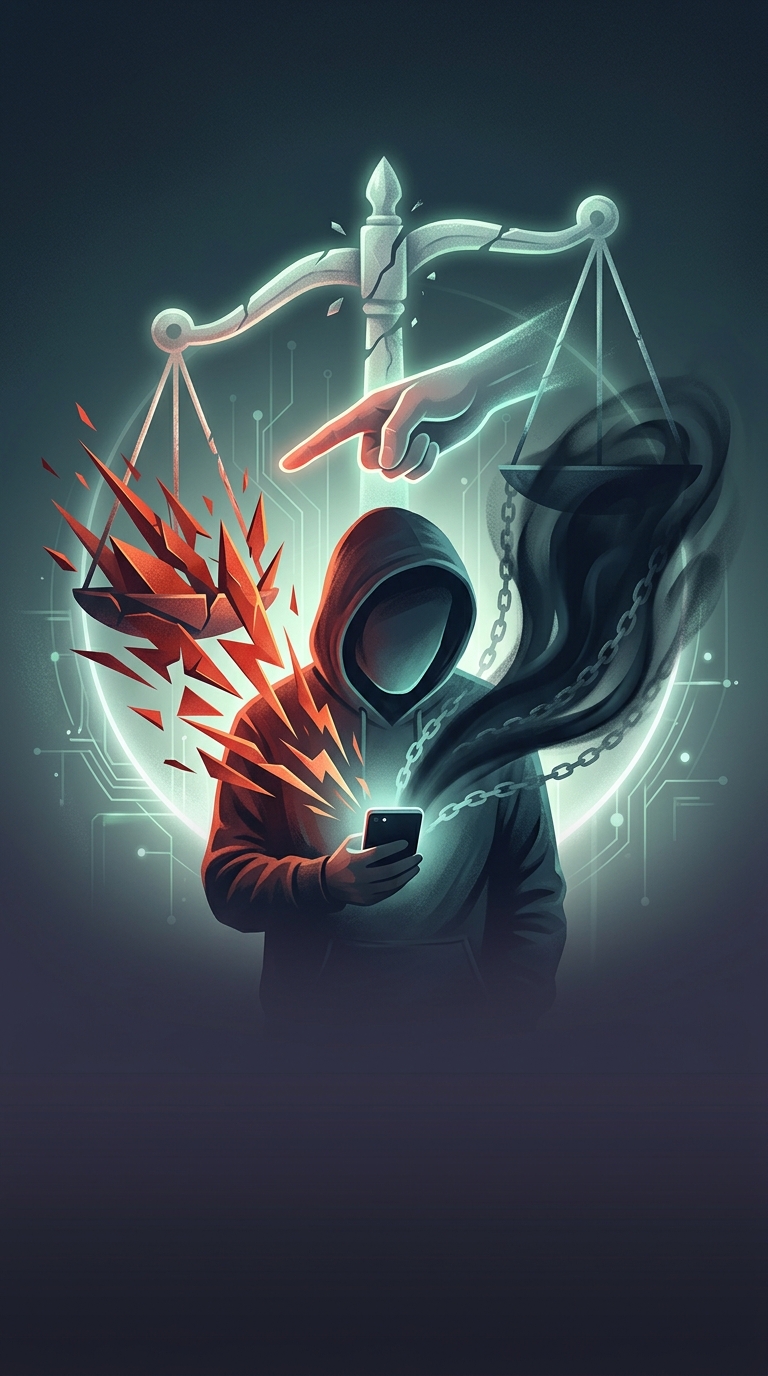
How a good deed can become moral credit
People do not judge every choice in isolation. They also keep a running sense of what their choices say about them: Am I fair? Am I generous? After acting in line with those values, a person may feel less need to prove them in the next moment. Psychologists call this moral licensing: a prior good act can make a later questionable choice feel easier to excuse.
The shift is usually subtle. Someone who has supported a worthy cause might give themselves more leeway when deciding whom to hire, trust, or listen to. The earlier act does not directly cause prejudice; instead, it can reassure the person that they are fundamentally fair, making a biased decision seem like a one-off rather than a threat to that self-image.
Why good intentions do not guarantee good follow-through
A useful way to think about the effect is as moral bookkeeping. People may treat a virtuous choice as credit that partly offsets a later lapse. That accounting can happen without conscious calculation: a person need not think, “I have earned permission.” Feeling that their values are already established may simply reduce the discomfort that would otherwise prompt them to pause or correct course.
The effect is not automatic. A good deed can also reinforce a commitment and encourage someone to act consistently with it. What matters is how the person interprets the deed: as evidence of a lasting standard to uphold, or as proof that they have already demonstrated enough goodness.
The practical consequence
This distinction matters because visible virtue and fair treatment are not the same thing. A public pledge or generous contribution may signal commitment, but it cannot substitute for checking the next decision on its own merits. In a hiring choice, for example, the useful safeguard is to compare candidates against the same criteria—not to rely on a general feeling of being an unbiased person.
The uncomfortable implication is that self-image can sometimes do the opposite of what good intentions promise: a good act may make someone feel fairer without making the next choice fairer.