Why another refresh feels necessary
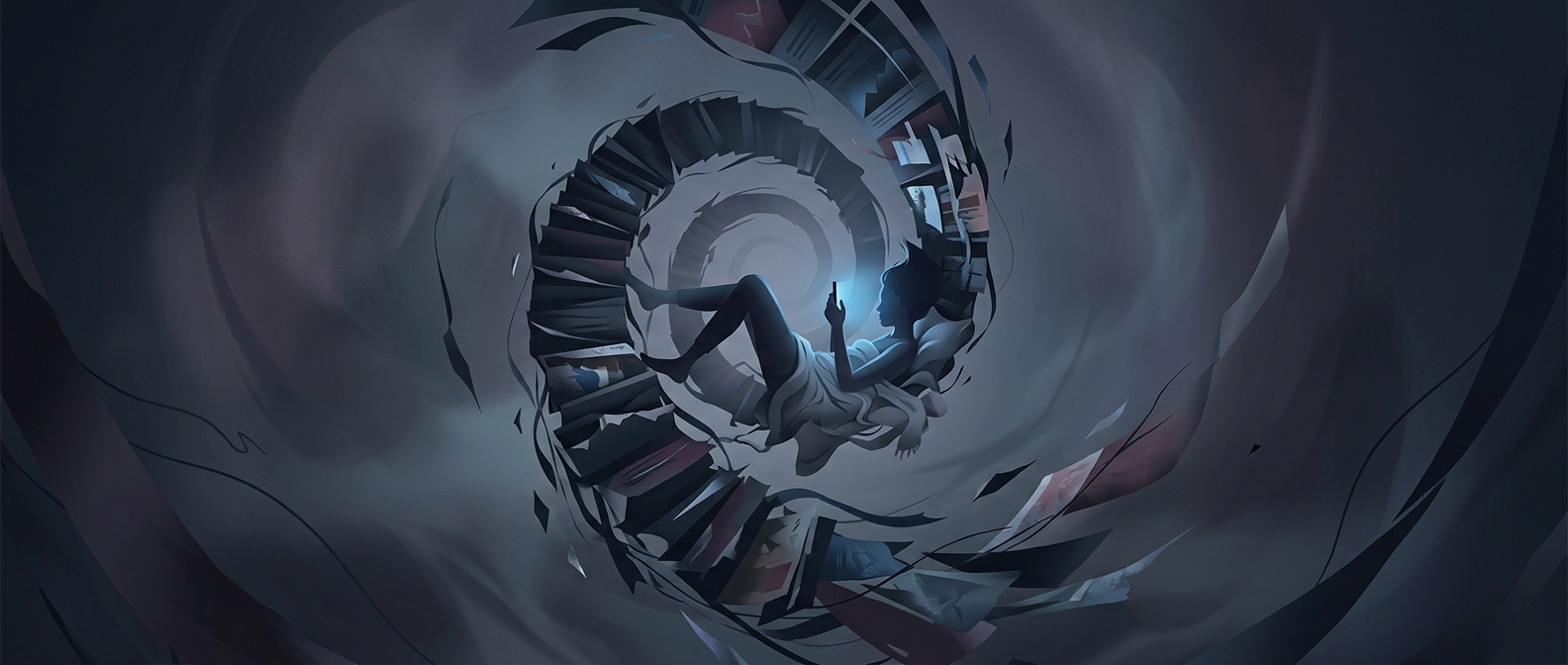
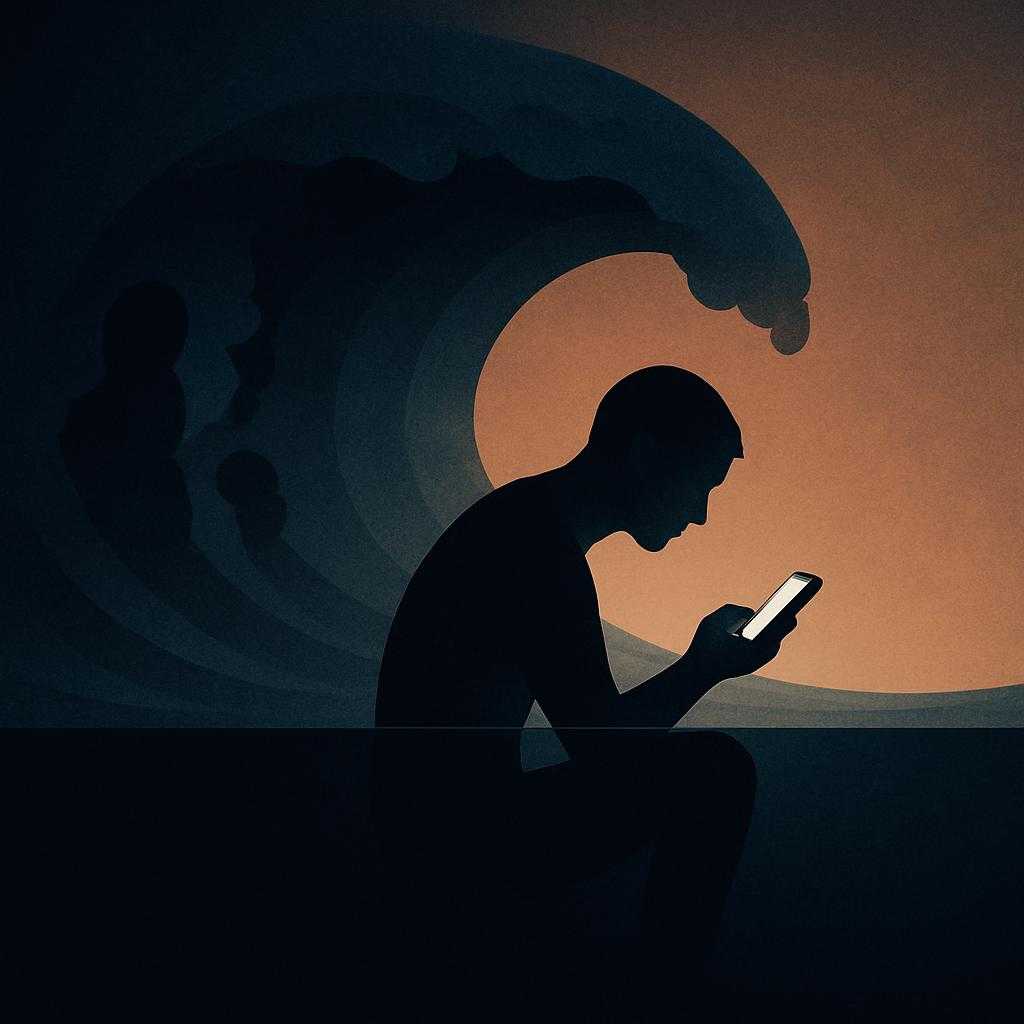
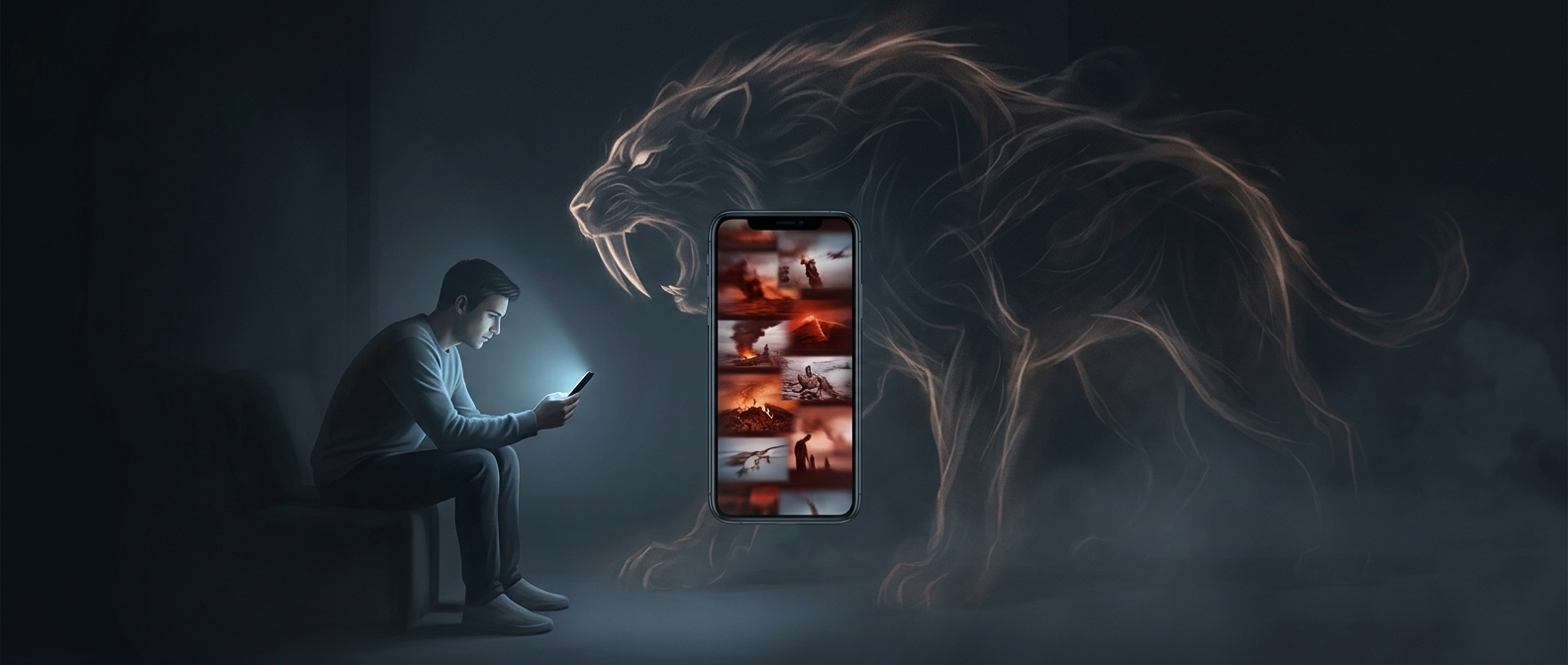
Doomscrolling can feel less like entertainment than an unfinished task. When a headline signals danger but leaves key questions unanswered—How serious is it? What happens next?—the mind keeps searching for information that might resolve the uncertainty. Checking again offers a momentary sense of action, even when there is nothing useful to do.
That relief is brief. A new post may add a detail, contradict an earlier report, or introduce another threat. Instead of settling the question, it creates more to monitor. The cycle is self-reinforcing: worry prompts a check, checking briefly feels useful, and the next alarming update renews the worry.
Why unpredictable feeds hold attention
A feed does not deliver every update on a predictable schedule. A refresh might show nothing important—or a striking new development. That uncertainty encourages repeated checking: the next swipe could finally provide the explanation or reassurance the reader is looking for. In psychology, this kind of unpredictable reward can make a behavior especially persistent.
Threatening information also tends to command attention because noticing possible danger can matter. But online, the stream may continue long after another update has changed what a person can actually know or do. The mind's search for a clear ending meets a feed built from continuing fragments.
Turning checking back into a choice
The key distinction is between information that supports a decision and information that merely keeps the threat in view. If another check will not change what you do, stepping away is not the same as ignoring a real problem; it is recognizing that the search has stopped producing useful control. A set time to check reliable updates, rather than refreshing continuously, gives attention a stopping point—even when the story itself has none.