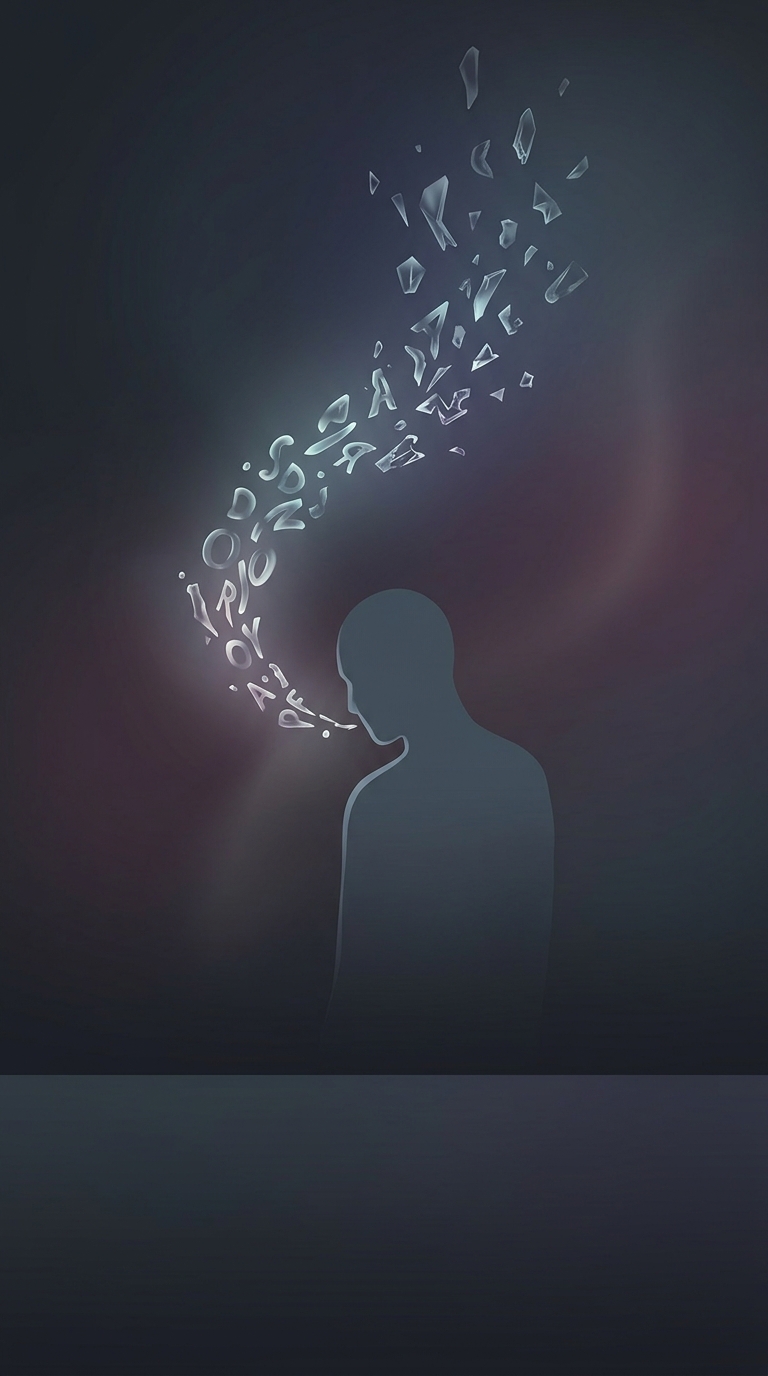
When repetition separates a word from its meaning
Read a word repeatedly and it may start to look strangely unfamiliar. Psychologists call this semantic satiation: a temporary weakening of the sense of meaning that usually arrives automatically when we see a word.
The effect is not that the word’s definition has vanished from memory. Instead, repeating the same form seems to make the link between its spelling or sound and its meaning less readily available for a moment. The letters remain visible, but they stop prompting the familiar idea as smoothly.
Why familiarity can feel like strangeness
Recognizing a word involves more than spotting its shape. The visual pattern activates stored knowledge—how the word sounds, what it means, and how it fits into language. Repetition keeps presenting the same pattern, while attention may begin to settle on its letters and sounds rather than the idea they normally carry. That shift can make the word feel like an arbitrary arrangement of marks.
Because meaning is usually accessed so quickly, even a brief interruption can be startling. A sentence that made sense a moment earlier may seem oddly assembled, as if its words belonged to someone else. The effect is temporary: looking away or turning attention elsewhere usually lets the ordinary connection return.
A small reminder about fluent reading
Reading feels effortless partly because the brain connects print to meaning without requiring deliberate inspection of every word. Repetition can briefly expose that hidden step. The word has not changed; what changes is how readily its familiar form calls up what it means.