Why Repetition Can Make a Word Feel Strange
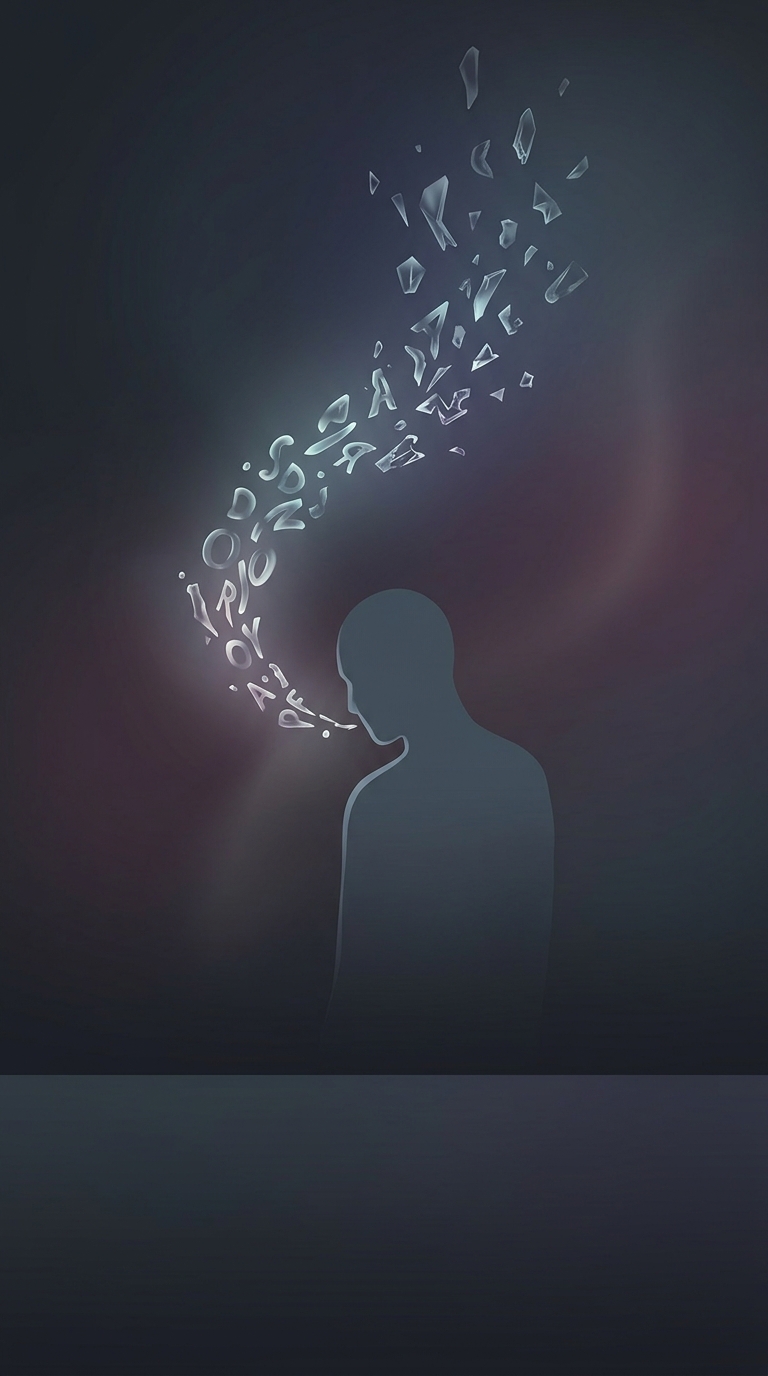
Psychologists call this semantic satiation: after a word is repeated many times, its meaning can briefly feel less accessible. The word has not changed, and you have not forgotten what it means. Rather, the usually seamless experience of recognizing a word and understanding it becomes less immediate.
A familiar word activates several kinds of information at once: its written form, its sound, and the concept it refers to. Repetition keeps the word’s form active, but that does not guarantee the same vivid access to its meaning on every pass. As attention settles on the repeated sound or letters, the connection to the concept can seem to loosen. The result is an odd mismatch: you still know the word, yet it momentarily looks or sounds unfamiliar.
A Brief Shift, Not a Loss of Meaning
The effect is temporary and depends partly on what you are focusing on. Saying a word aloud emphasizes its sound and the movements involved in producing it; staring at it emphasizes its visual shape. Either way, repeated exposure can make the word itself feel more prominent than what it refers to.
That distinction explains why the experience can be unsettling. In ordinary reading, the connection between a word and its meaning is so automatic that we rarely notice it happening. Repetition makes the word’s physical form conspicuous enough to interrupt that fluency. The meaning has not vanished; access to it has briefly stopped feeling effortless. Give the word a rest, or use it in a sentence, and the familiar connection usually returns.