Why the visual field can look like static
Visual snow is the perception of countless tiny, flickering dots across a person’s field of vision. The pattern can be easier to notice against a plain wall or in dim light, when there are fewer visual details to compete with it. Unlike ordinary afterimages, which fade after looking at something bright, visual snow is typically persistent.
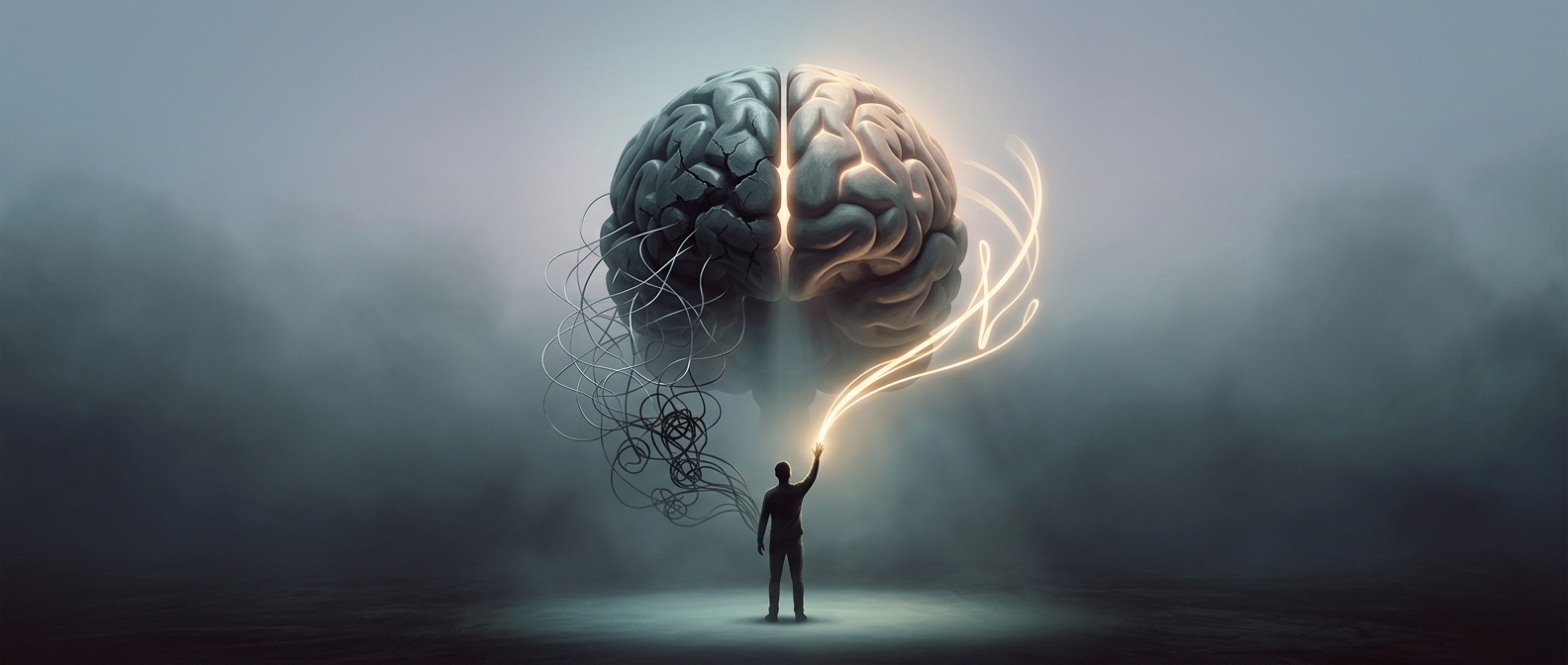
The dots are not particles in the air or flaws on a screen. They are a perceptual effect: the brain is interpreting activity in the visual system as if it were part of the scene. Vision depends on signals traveling from the eyes through networks in the brain, which organize contrast, color, movement, and detail. If that processing produces or amplifies a fine-grained signal, it may be experienced as a layer of visual “noise.” The precise cause is not fully understood.
A perceptual effect, not just a description
People vary in how noticeable or disruptive the dots are. Some also report related experiences, such as lingering images after looking away from an object or increased sensitivity to light. When the persistent static is troublesome, clinicians may use the term visual snow syndrome; the label describes a pattern of symptoms, not a complete explanation of why it happens.
The experience makes one distinction especially clear: seeing is not a direct recording of the outside world. What appears in the visual field is shaped by the brain’s processing—including, sometimes, signals that have no visible object to point to.