Why a Paused Reaction Can Return
In Pavlovian conditioning, a dog learns that a bell predicts food. After enough bell rings without food, the dog may stop drooling when it hears the sound. That change is called extinction: the learned response becomes less likely in that situation, but the original association is not necessarily erased.
The Old Prediction Has Not Disappeared
A useful way to understand extinction is that the dog learns something new: the bell no longer reliably means food. This newer learning can suppress the earlier expectation rather than wipe it clean. The dog’s response therefore depends partly on what it has recently experienced and on the circumstances around the bell.
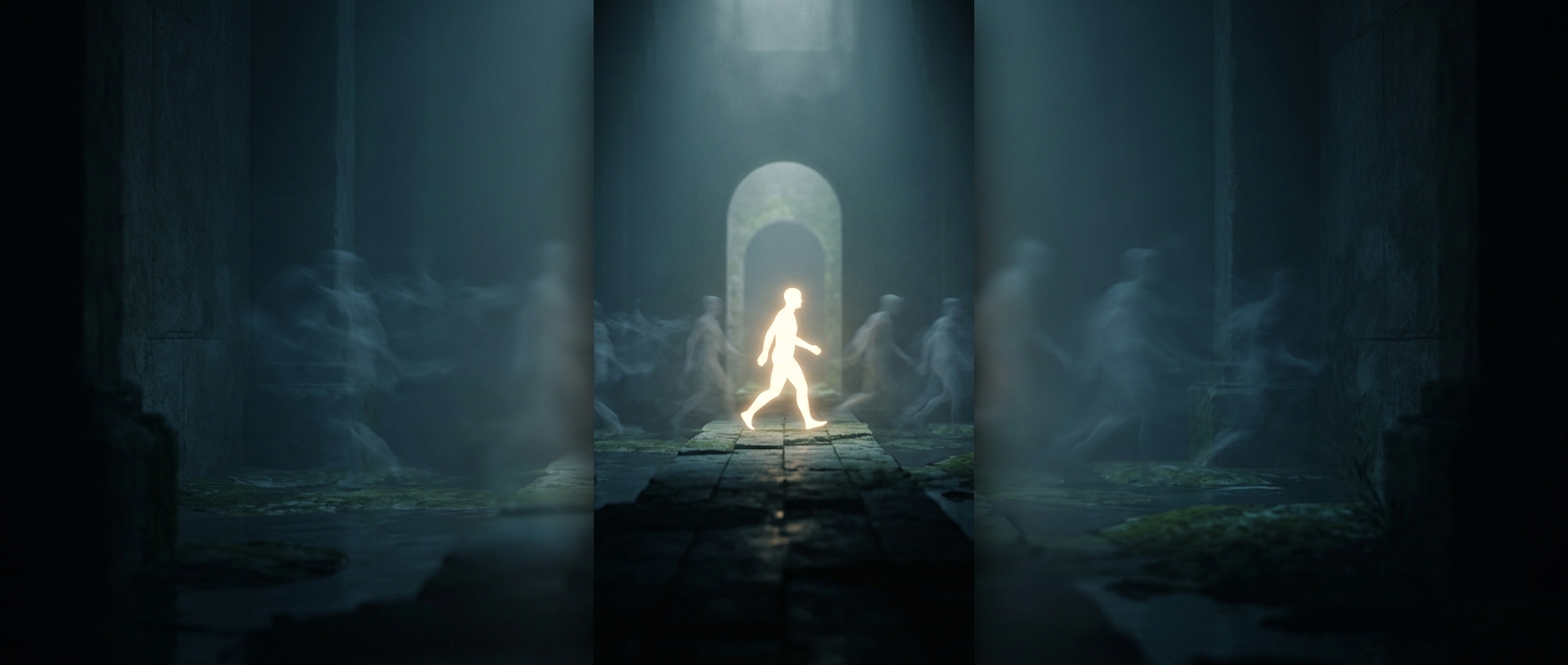
If the bell rings again after a pause, drooling may briefly return. Psychologists call this spontaneous recovery. The passage of time can weaken the newer, no-food learning enough for the older bell–food association to show itself again. The response may then fade once more if the bell continues without food.
What This Reveals About Learning
The return does not mean the dog has forgotten the extinction experience or that extinction failed. It shows that learning can involve competing memories: an old prediction and a newer update. That distinction helps explain why a reaction that seemed gone—such as a conditioned fear—can resurface after time has passed, even when the original trigger has not changed.