Psychology
Discover facts about psychology. Small discoveries that change the way you see familiar things.
Psychology

Why happy couples still argue
Even happy couples have competing needs, habits, and ideas about what matters. Closeness gives those differences plenty of chances to surface: arguing can be…
Discover more
Crossing arms changed pain ratings in a lab experiment
A 2011 study delivered brief laser stimuli to participants' hands. They rated the pain lower when their arms were crossed. Researchers suggested that…
Discover more
The shape of a seating plan changed which pitches landed
In three experiments, people sitting in circles responded more favorably to messages emphasizing belonging and majority approval. Angular arrangements favored…
Discover more
A familiar scent can bring back a whole scene
Smell is closely connected with brain systems involved in emotion and memory. A scent associated with a person or place can therefore revive a feeling before…
Discover more
Why faster downloads can waste your time
When a download gets faster, waiting stops being the obstacle—and you may start downloading more, opening more tabs, or checking more often. The saved minutes…
Discover more
A creative idea can arrive after you stop trying to force it
Stepping away from a problem changes what occupies your attention and can let a different association surface. That experience is often called incubation. It…
Discover more STACKY FOR IPHONE
A bigger world.
One discovery
at a time.
Keep discovering with Stacky. Interesting facts in an app that is always within reach.

Getting stuck on rocks demands a hard restart
When a game character gets pinned inside rock geometry, the controls may keep trying to move it through a space the game treats as solid. A hard restart wipes…
Discover more
Spotlight effect tricks you into feeling intensely watched
Spill coffee on your shirt and you may feel as if the whole room noticed. Your mistake is front and center in your own attention, so it’s easy to assume it’s…
Discover more
When people are certain they're secretly billionaires
Believing you are secretly a billionaire can be part of a grandiose delusion: a fixed belief of exceptional wealth or importance that persists even when other…
Discover more
Why a compliment means more to strangers than you think
A compliment from someone you barely know can stick because it arrives without an obligation attached. You are not saying it to keep the peace or get…
Discover more
A fake painkiller worked better with a higher price tag
In a 2008 experiment, volunteers received an inactive pill presented as a painkiller. More reported pain relief when told it cost $2.50 than when told it had…
Discover more
When planning for the future steals the present
A calendar full of plans can make the future feel more real than the afternoon you’re actually in. Your mind rehearses what comes next, checking and…
Discover more
Why the same dream keeps coming back
A recurring dream can return when the feeling behind it keeps returning in waking life. Stress or fear may give the mind the same emotional material to work…
Discover more
Why distance makes harming others easier
When the person affected is far away, the consequences are easier to imagine as an abstract outcome than as someone’s pain. Distance removes the face and the…
Discover more
One odd item is easier to remember than its neighbors
This is the isolation, or von Restorff, effect: an item that differs from its surroundings can stand out in memory. A red word among black words gets a…
Discover more
Why tiny risks feel better to eliminate
When a risk is small and easy to remove, you can picture the moment it disappears. That makes action feel rewarding even if the danger was minor: you get a…
Discover more
Drivers compare their own good intentions with other people's mistakes
When drivers judge their own skill, they remember the times they checked the mirror and avoided a crash; other drivers appear mainly as hazards. That gives…
Discover more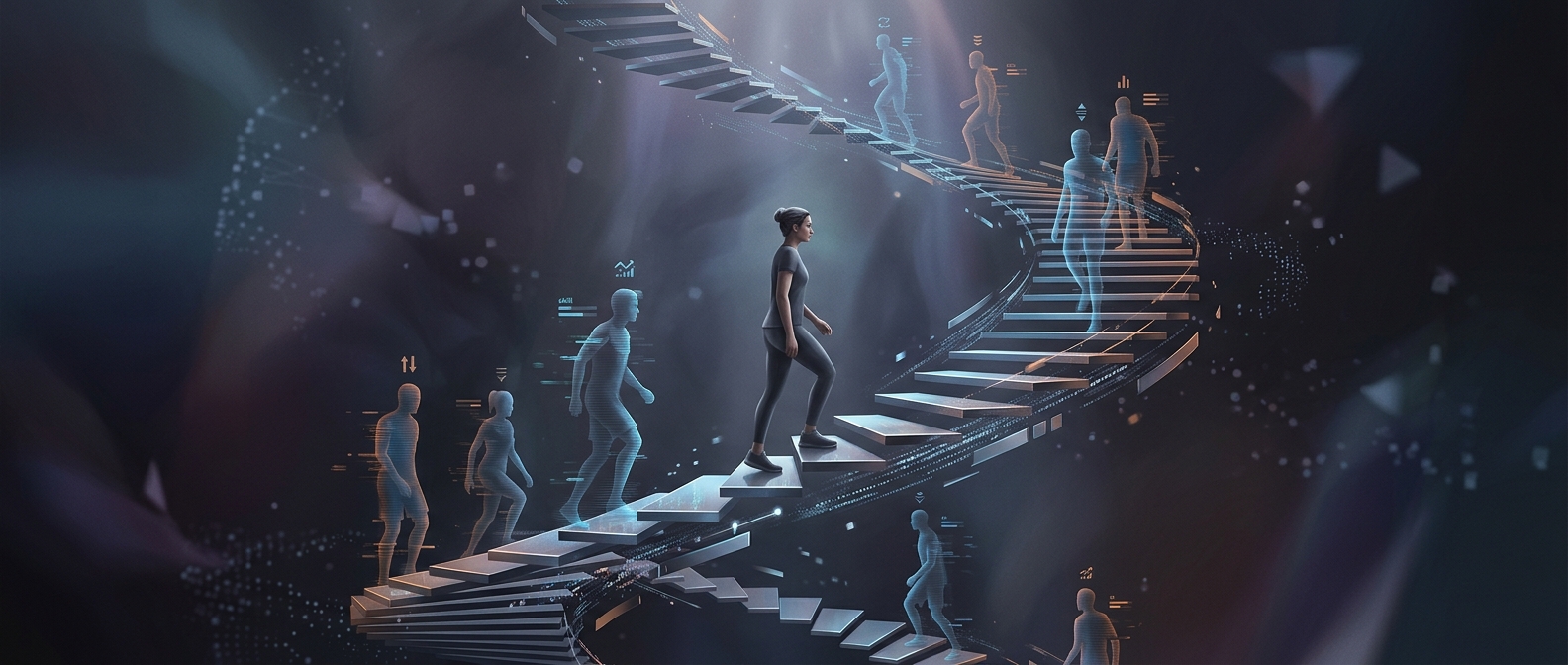
Why better players still feel stuck
Better players can hit a plateau because early gains come quickly, while advanced improvement takes more targeted practice. Repeating what already works feels…
Discover more
Reading an argument can shift how much free will people think they have
A meta-analysis of 145 experiments found that messages challenging free will could reduce reported belief in it and strengthen belief in determinism. That…
Discover more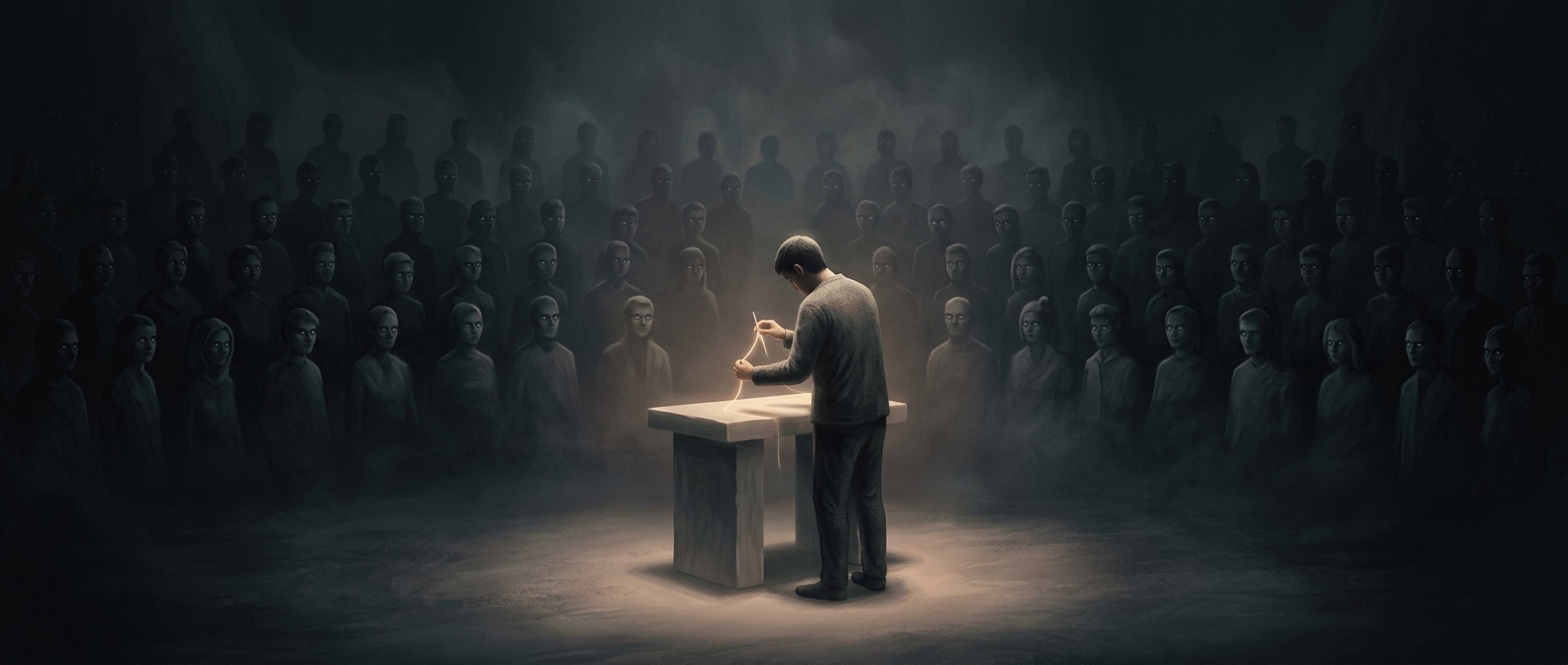
Why an audience helps with easy tasks—and hurts with hard ones
With people watching, your attention and arousal rise. On an easy task, the dominant response is usually the correct one, so you do it faster; on a hard task,…
Discover more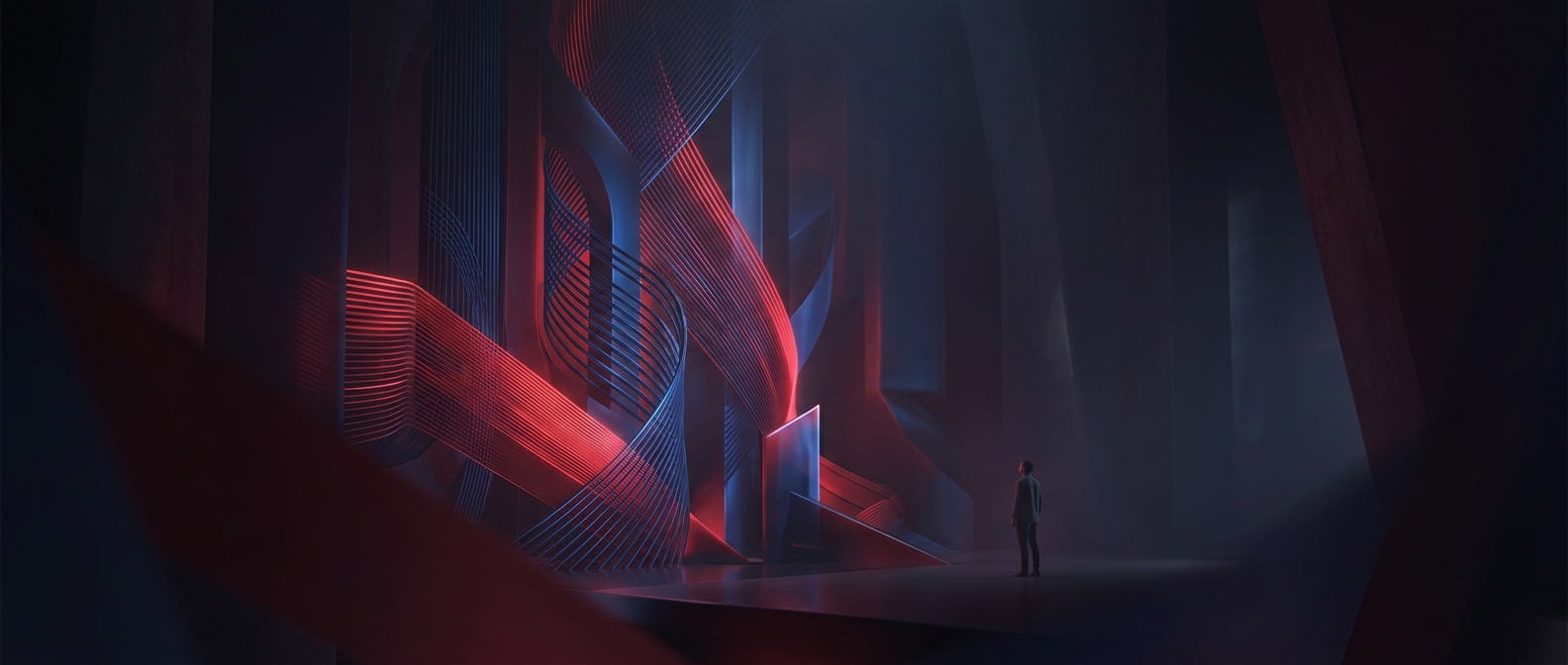
Why red and blue can look three-dimensional
Your eyes don’t focus every color at exactly the same distance. The visual system can interpret that small mismatch as a difference in depth, making red and…
Discover more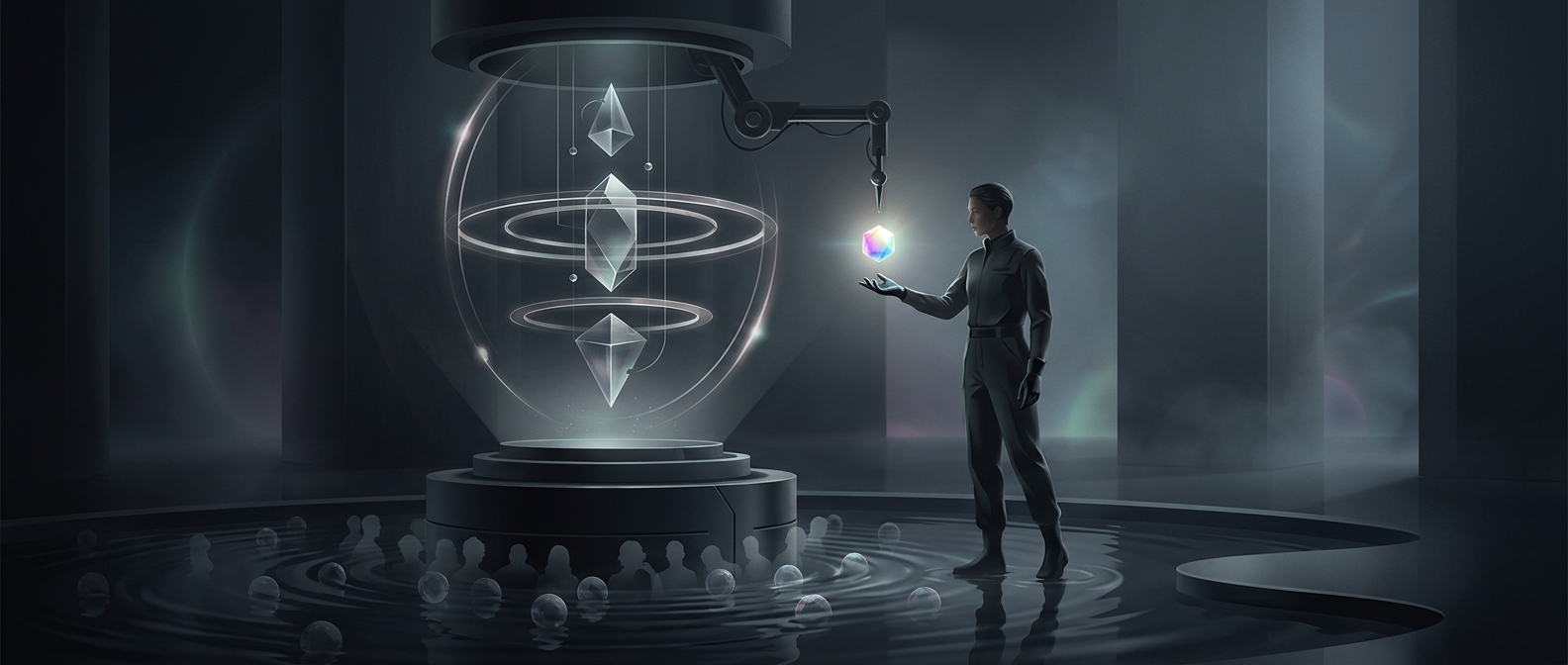
Why unpredictable rewards create stronger habits
A reward that arrives every time can become predictable; one that arrives unpredictably keeps you checking. Each attempt might be the one that pays off, so…
Discover more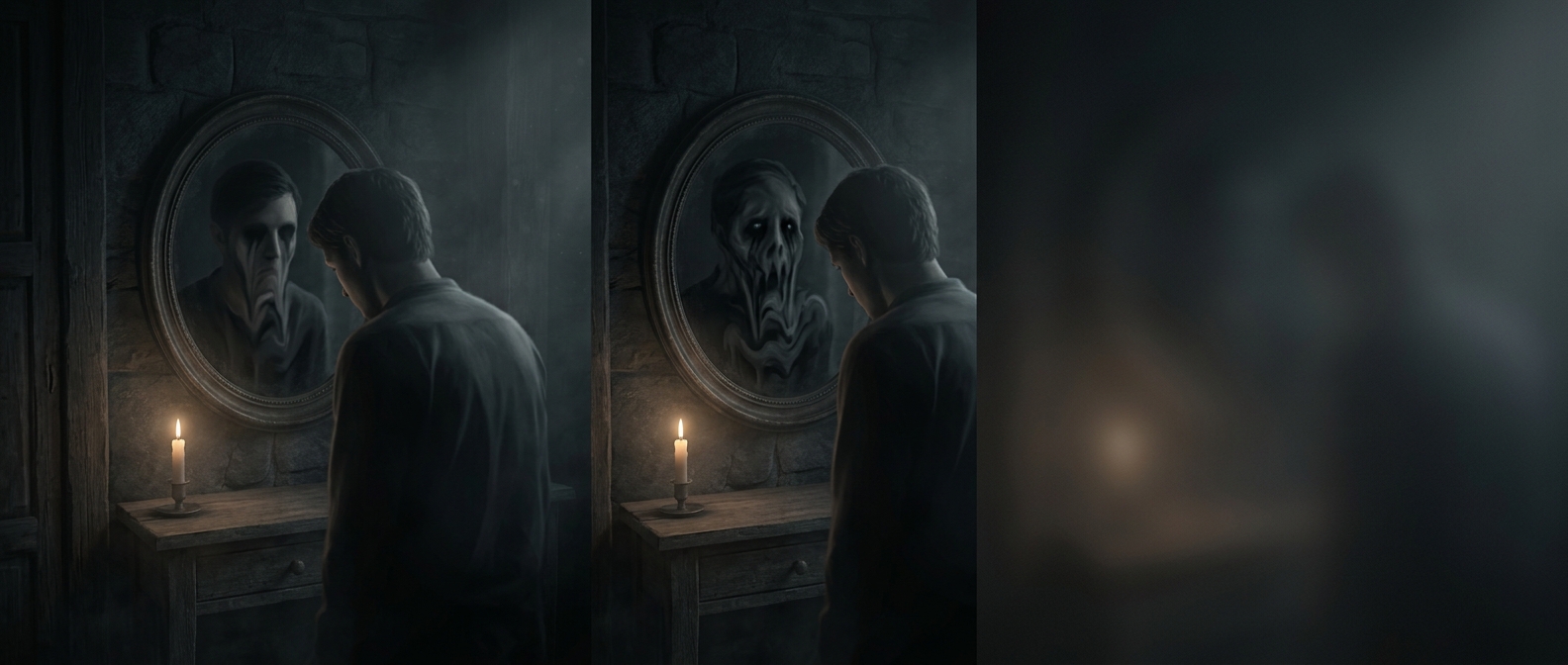
Why your face changes in a dim mirror
In a dim mirror, your eyes get less reliable detail to work with. As you keep staring, features can fade or blur, and your brain tries to make sense of the…
Discover more
How a timeout can break an opponent’s momentum
When an opponent is in a groove, each successful play makes the next one feel easier. A timeout breaks that chain: the game pauses, attention shifts, and the…
Discover more