Why ideas surface when the task is gone
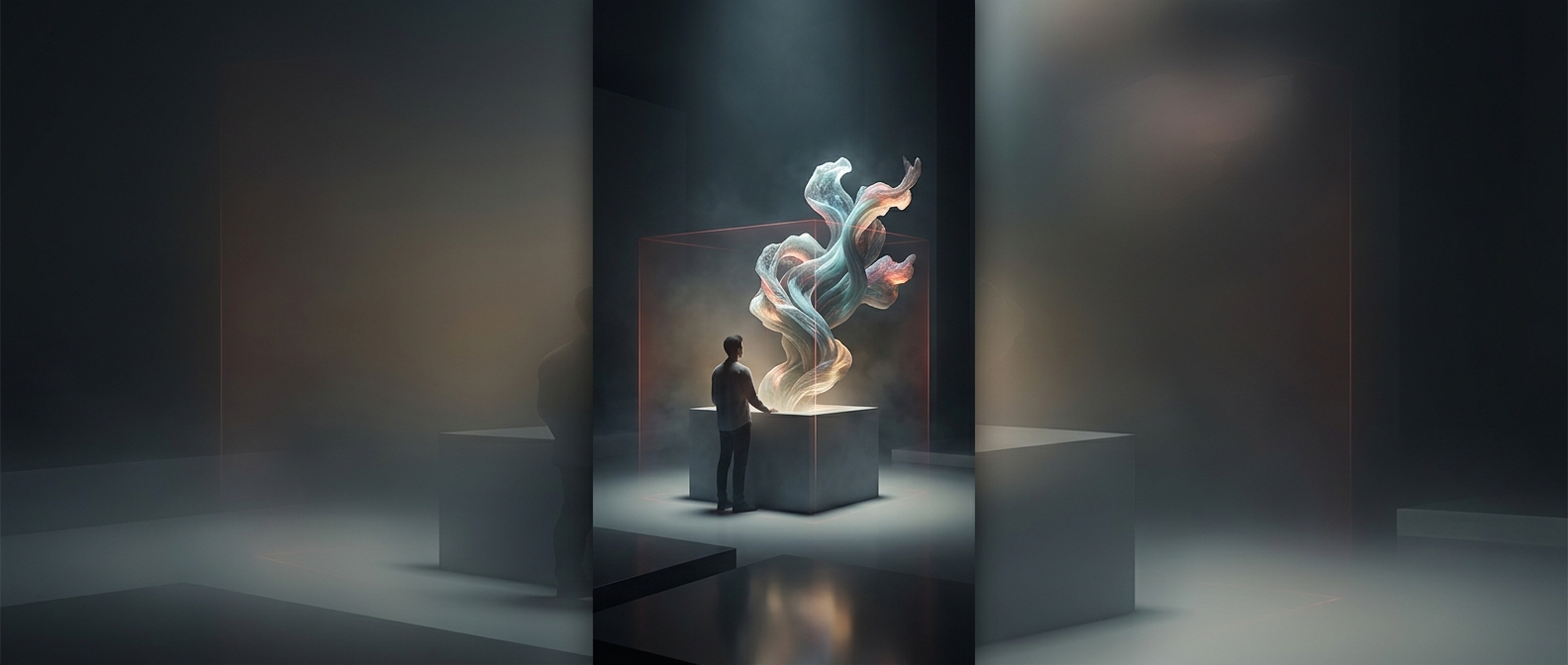
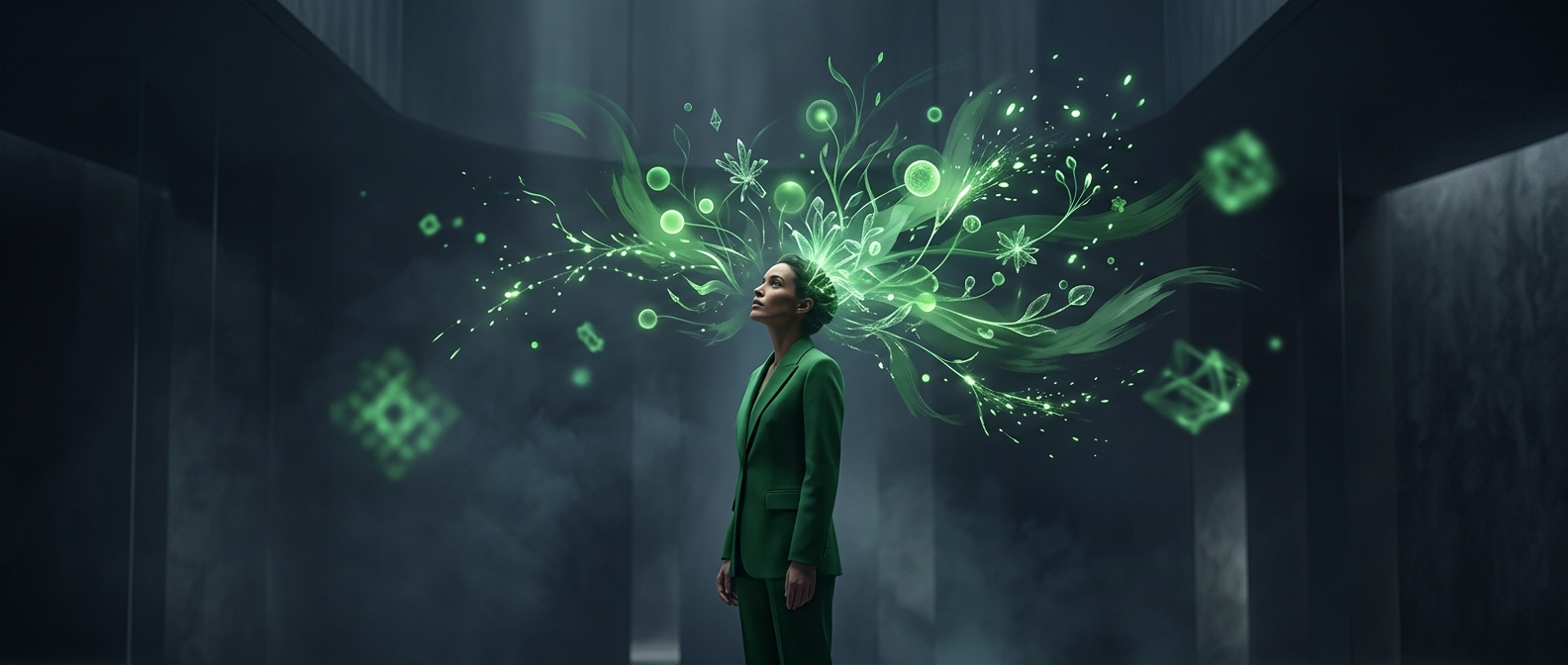
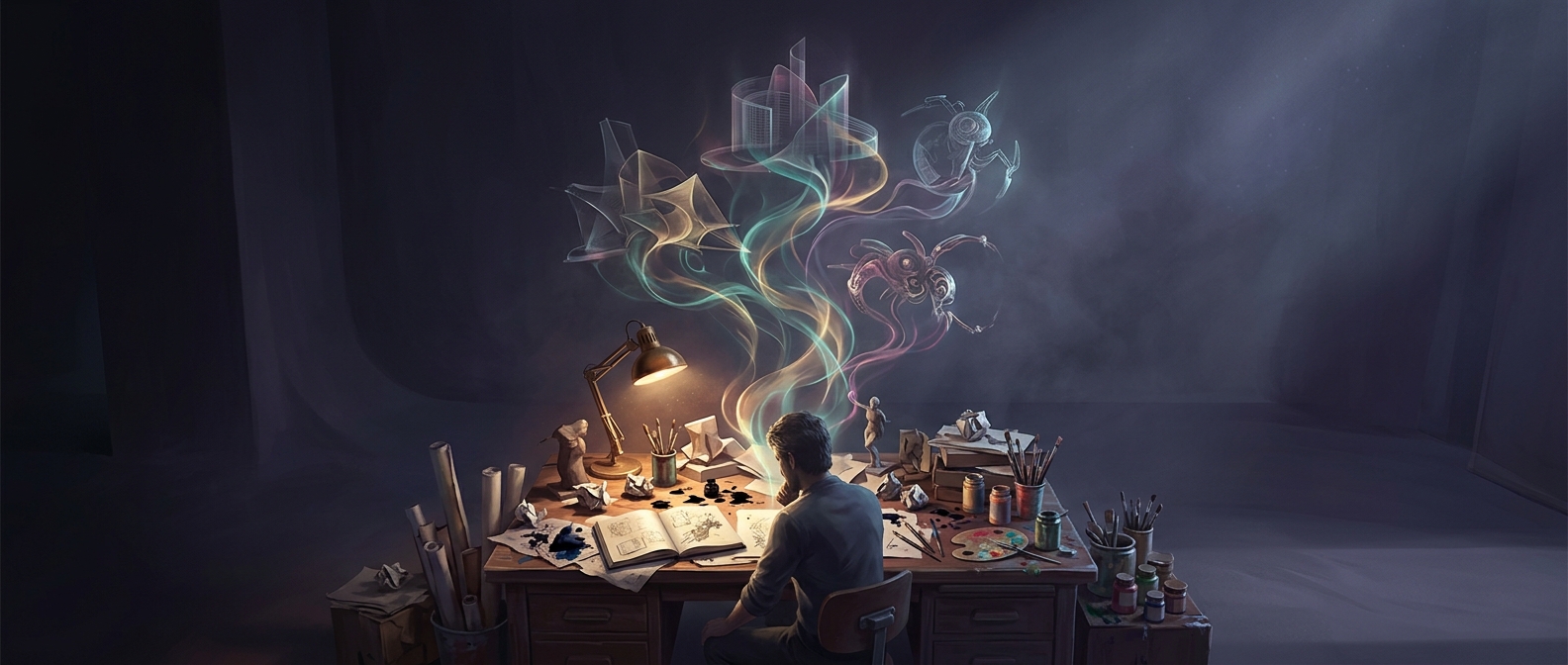
Creative work often involves connecting details that do not seem related at first. That kind of flexible thinking depends partly on letting attention move beyond the immediate problem: a remembered conversation, an image, and a half-formed question can begin to combine into a new possibility. The mind does not necessarily stop making those links just because the desk is closed.
What changes at bedtime
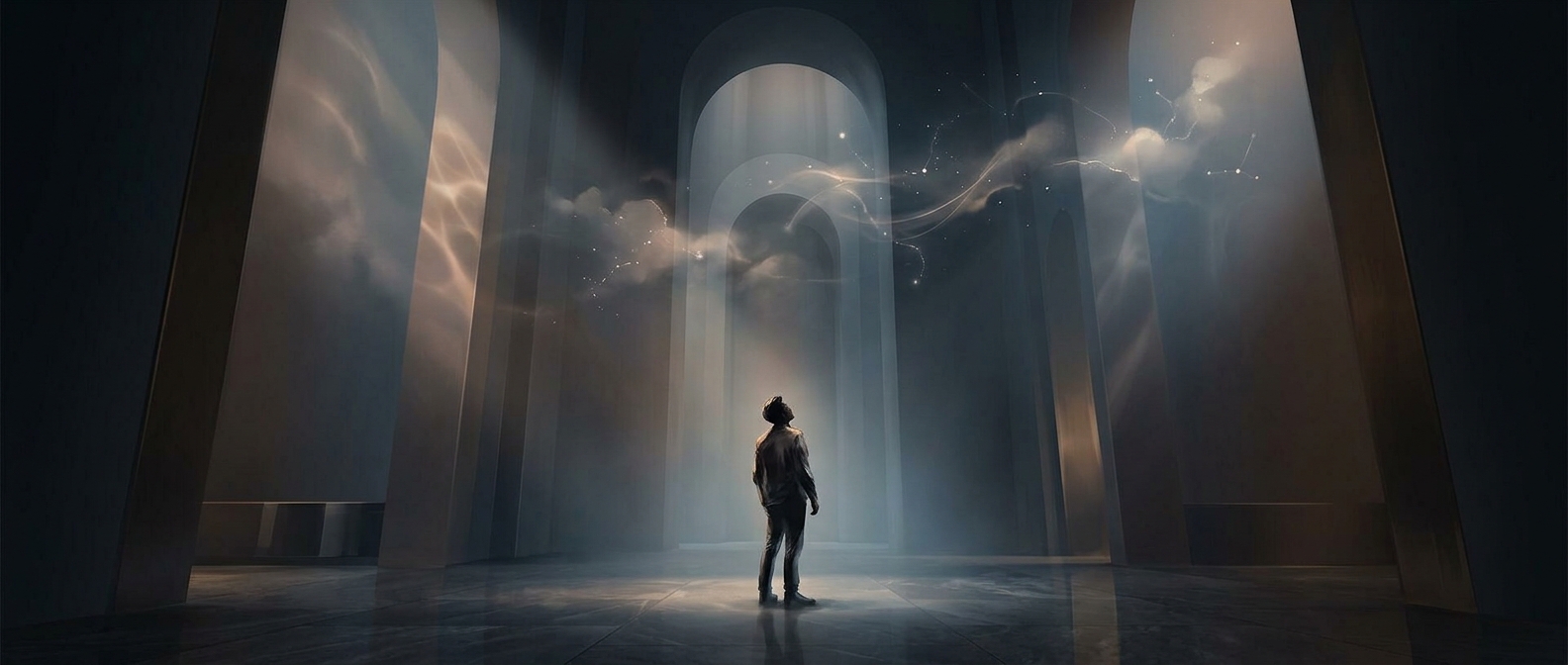
During the day, deadlines and deliberate concentration help keep thoughts aimed at a task. When those demands fade, attention has more room to wander. As you lie still, there are also fewer outside sights and sounds competing for it, so internal thoughts can become unusually noticeable. A loose chain of associations may then feel like a burst of inspiration—even if it is simply the mind continuing to sort and recombine material.
This is not a special talent that makes creative people unable to sleep, nor does every nighttime thought lead to a useful idea. But someone who spends the day gathering details and asking “what if?” may have plenty of material ready to resurface once focused work ends.
Catch the thought without chasing it
A brief note can preserve an idea for later, reducing the need to rehearse it repeatedly in your head. The useful distinction is between recording a promising connection and trying to solve it immediately: the first lets you return to rest, while the second can turn a passing thought into another work session.