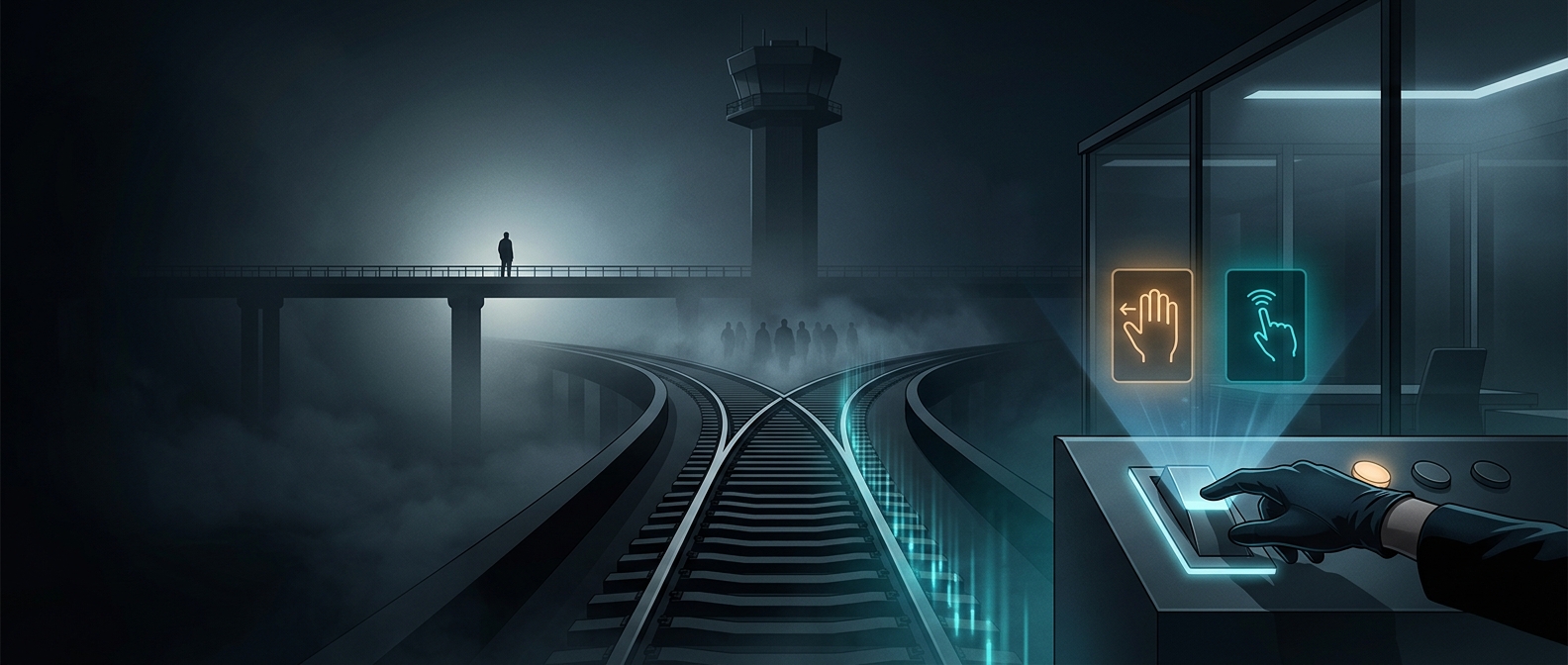
How distance turns people into abstractions
A person in pain is difficult to reduce to a number when you can see their expression, hear their voice, or watch what happens next. At a distance, those cues disappear. The mind has less immediate human detail to work with, so it is easier to focus on the task—approving a request, sending a message, enforcing a rule—rather than on the person who will bear the cost.
That shift does not make someone automatically cruel. It changes what is easiest to notice. A decision-maker may see a file, a statistic, or a delayed report instead of the direct result of a choice. Without a visible reaction, the emotional signal that might prompt hesitation or reconsideration is weaker.
Why feedback matters
Immediate feedback links an action to its consequence: you do something, then see how it affects someone. When that link is stretched out or hidden behind procedures, responsibility can feel less personal. Each step may seem small and routine, even when the combined result is harmful.
This is why distance can matter in workplaces, online interactions, and remote decision-making—not only in physical conflict. A person typing an insult behind a screen, for example, may face none of the pauses or expressions that would make the target’s response unmistakable. The harm remains real; what changes is how vividly the actor has to picture it.
Restoring some human detail can make consequences harder to ignore: hearing from affected people, seeing what a decision produces, or making responsibility for each step explicit. The practical difference may be whether a harmful outcome feels like an abstract entry to process—or a consequence someone can trace back to a choice.