How a confrontation becomes a feedback loop
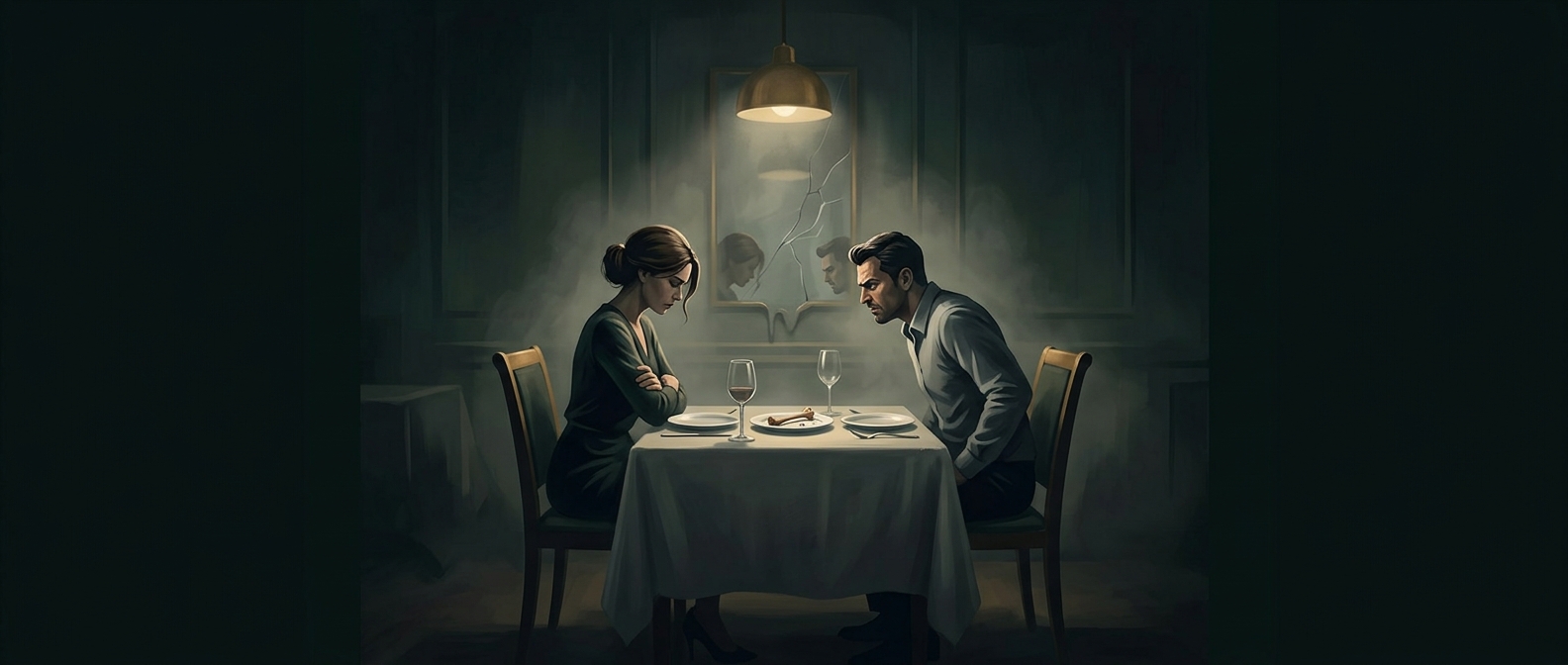
Aggression often escalates through small, ambiguous signals: a stare, a shift forward, a tense expression. When two people are positioned directly opposite each other, each can treat the other’s movement as a deliberate challenge. They respond by holding eye contact, stiffening, or moving closer—and those reactions become new evidence for the other person that the threat is real.
That loop is partly about attention. A person focused on one opponent may miss signs that others are uneasy, trying to intervene, or simply not taking sides. The encounter can start to feel like a private contest, even when a whole group is present.
A circle changes what the group can notice
In a circle, attention is less easily pinned on one opposing pair. People can see one another’s reactions, so tension is more likely to register as a group problem rather than a duel. That visibility can create gentle social pressure: someone considering an aggressive move knows it will be witnessed by everyone, while others have a clearer chance to signal disapproval or calm.
The arrangement can also weaken a status contest. A head seat or a clear line of opposing sides can imply a leader, faction, or front line. With no obvious head, the group has fewer built-in cues about who is in charge and who should confront whom.
Geometry helps; it does not settle the dispute
A circle cannot remove the cause of a conflict, and its effect depends on the people and setting. A hostile group can still intimidate someone from every direction. But when the goal is discussion, the layout can make it easier to notice reactions beyond one person’s face—and harder for a tense exchange to become the entire group’s focus. The practical difference is small but consequential: a chair arrangement can interrupt the visual pattern that turns a disagreement into a showdown.