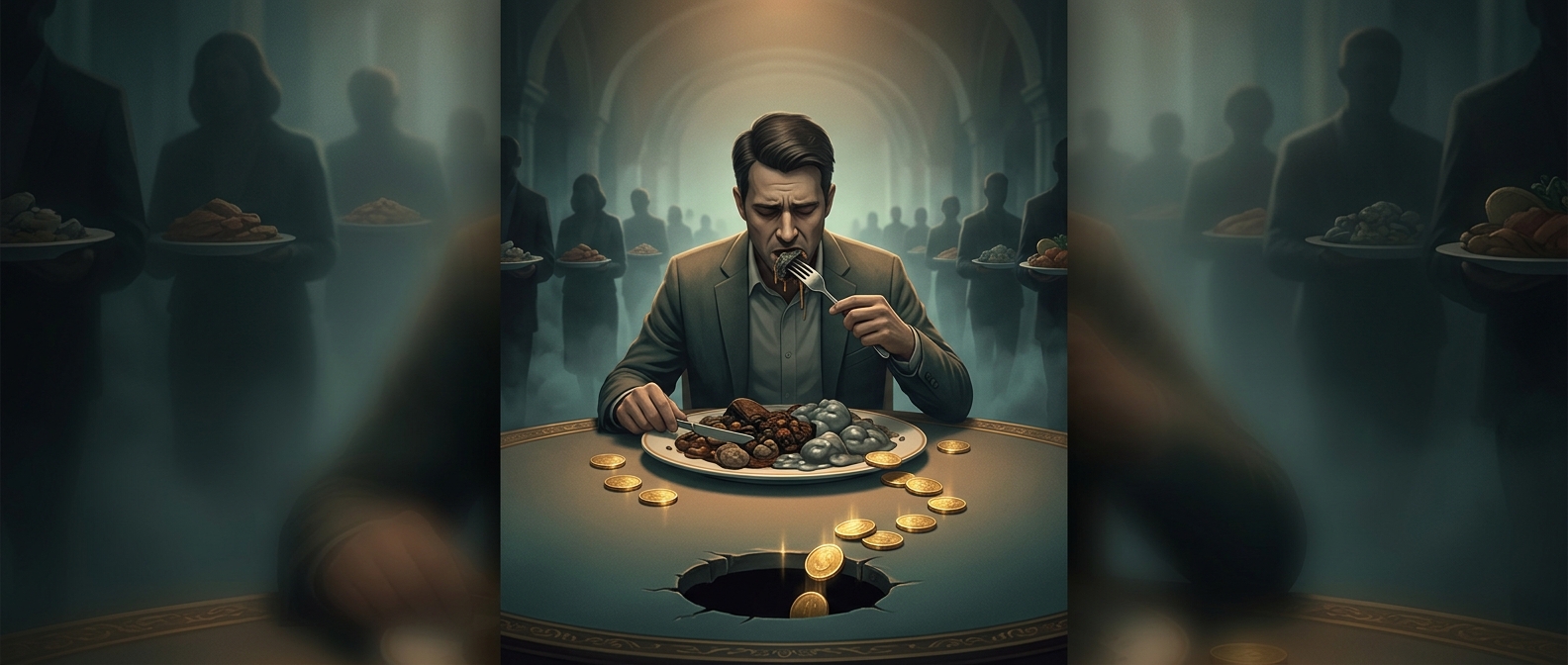
Hunger can change the meaning of a small slight
A partner forgets to take out the trash. On an ordinary afternoon, that may register as a minor lapse. When you are hungry, the same omission can feel deliberate—or like evidence of a larger pattern. The event has not changed; the mental conditions for interpreting it have.
Hunger is not just an empty-stomach sensation. The body sends signals that food is needed, and those signals can make discomfort and immediate needs harder to ignore. At the same time, irritation can narrow attention: it is easier to fixate on the blunt remark or unfinished chore than to pause and consider a less hostile explanation. That does not mean hunger makes someone irrational. It can simply make patience and generous interpretation more difficult in the moment.
A practical pause before the argument grows
This helps explain why a disagreement can seem to be about respect when fatigue, stress, or a missed meal is adding fuel. Hunger does not create a couple’s underlying problems, and eating will not resolve a genuine dispute. But it can intensify the way a problem is experienced and the way each person responds.
A useful move is to notice the timing before deciding what the incident means. If both people are hungry, taking a break to eat can lower the immediate strain; then they can return to the chore or comment with more room to discuss what actually bothered them. Sometimes the first step toward a calmer conversation is dinner, not a verdict about what the forgotten chore proves.