Why a Large Serving Can Redefine “Enough”
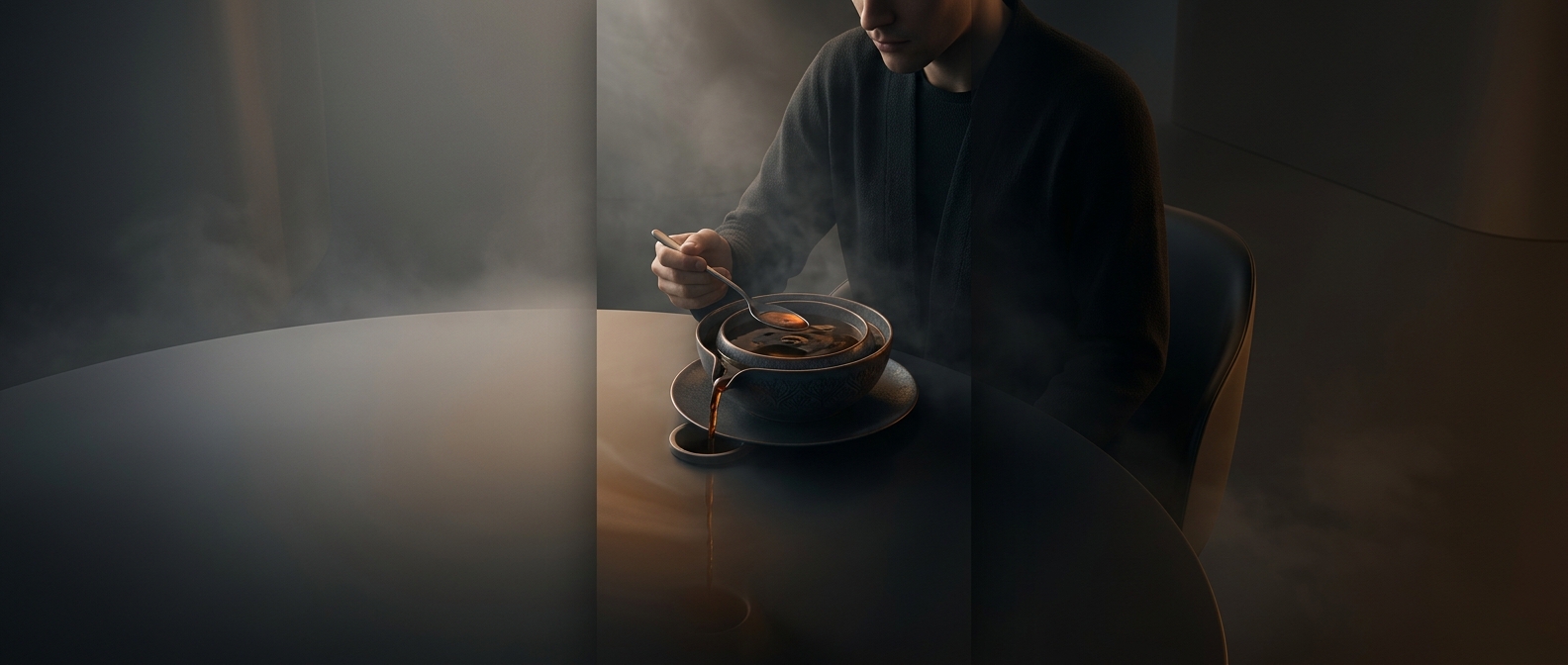
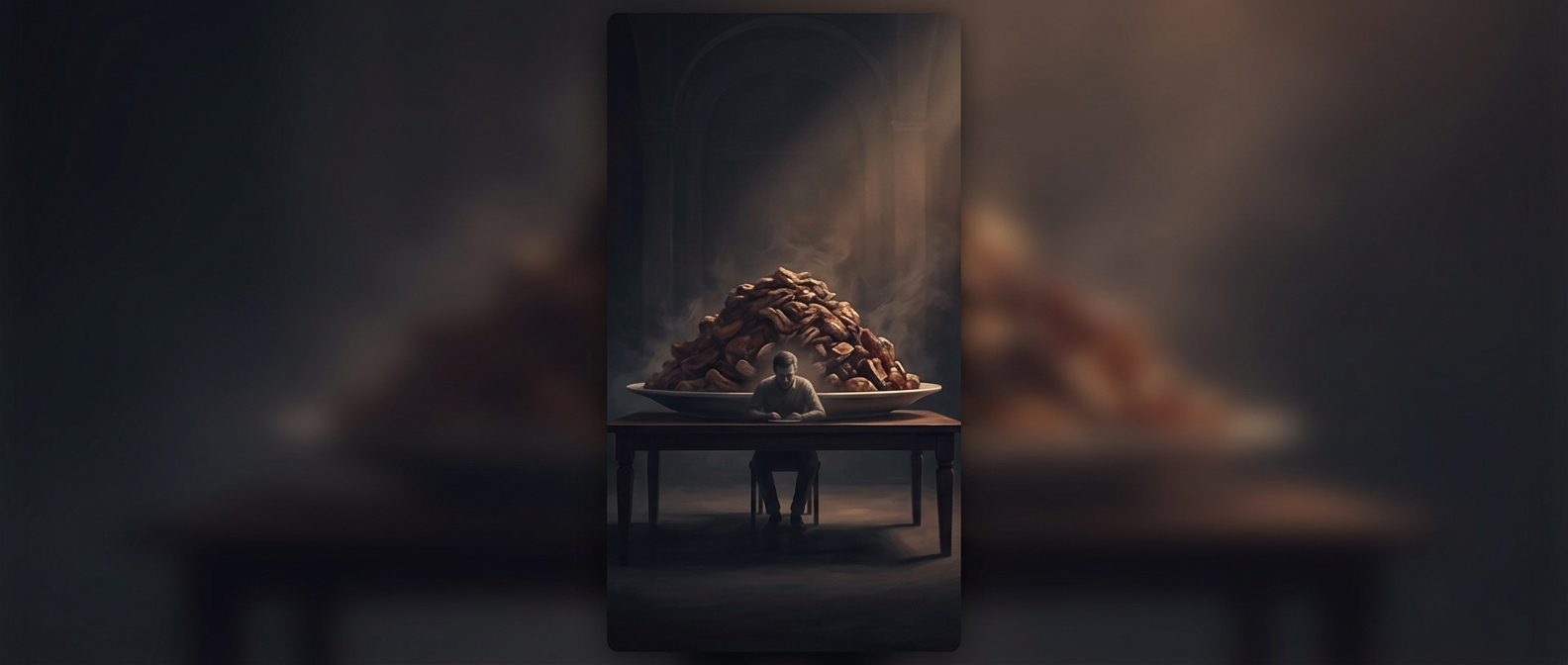
A portion does more than supply food: it gives the eye a reference point. When a meal arrives, people often treat the amount on the plate as a rough guide to what one serving is. A larger portion can therefore shift the perceived boundary between “some” and “too much,” making a greater amount seem ordinary to finish.
The Portion Becomes a Stopping Cue
Hunger is not the only signal guiding when people stop eating. They also rely on external cues: how much food remains, whether the plate looks empty, and what seems like a customary serving. If the serving is unusually large, those cues can encourage a person to keep eating past the amount they would have chosen from a smaller plate.
This is sometimes called portion-size bias: the amount offered influences how much seems appropriate to eat. It can work quietly because the person need not consciously decide to eat more. The larger serving simply changes the visual standard against which the meal is judged.
Why It Is Not Automatic
A large serving does not guarantee overeating. Appetite, attention, meal pace, and whether someone saves leftovers all matter. But when a person uses the served amount as a default, a bigger portion can make that default larger—and can make stopping feel less natural until more food has been eaten.
That is why the same appetite can lead to different amounts consumed in different settings: the plate itself may help define what feels like a normal meal.