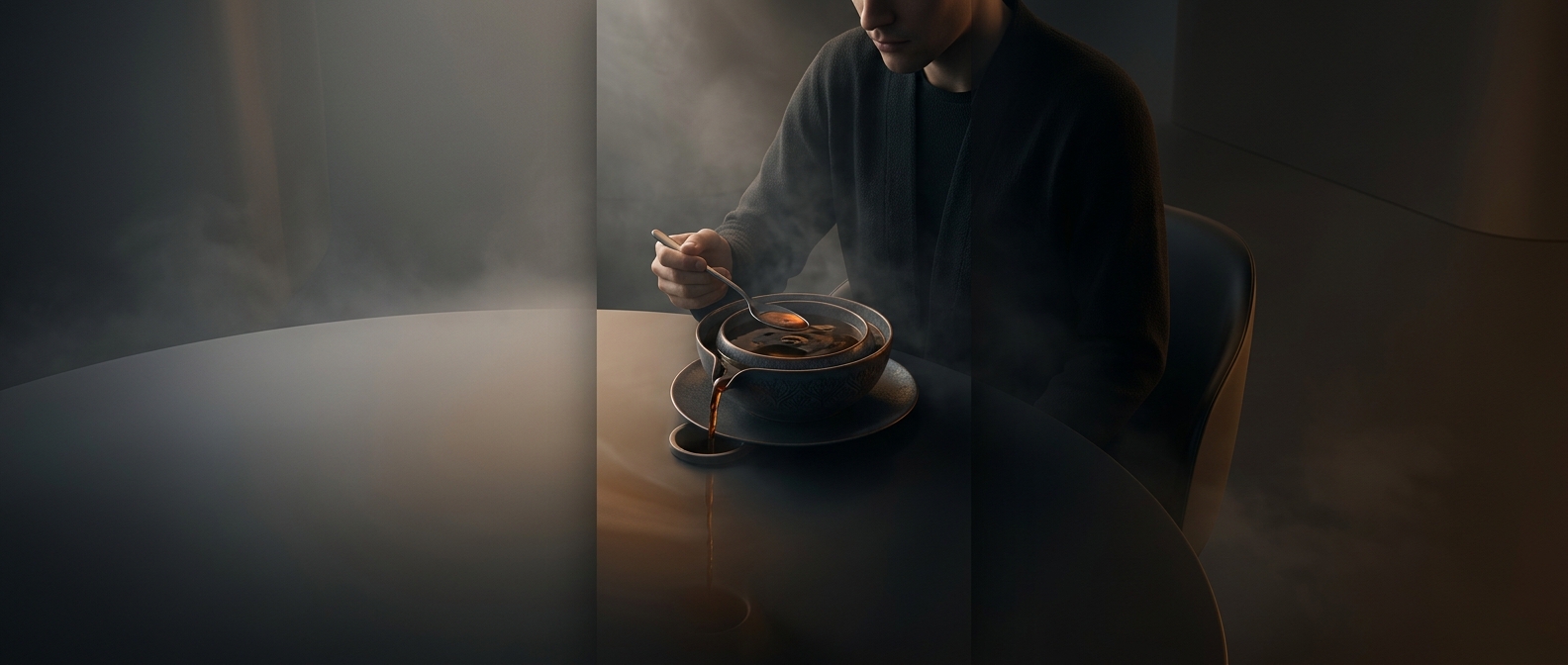
Why a full-looking bowl can keep dinner going
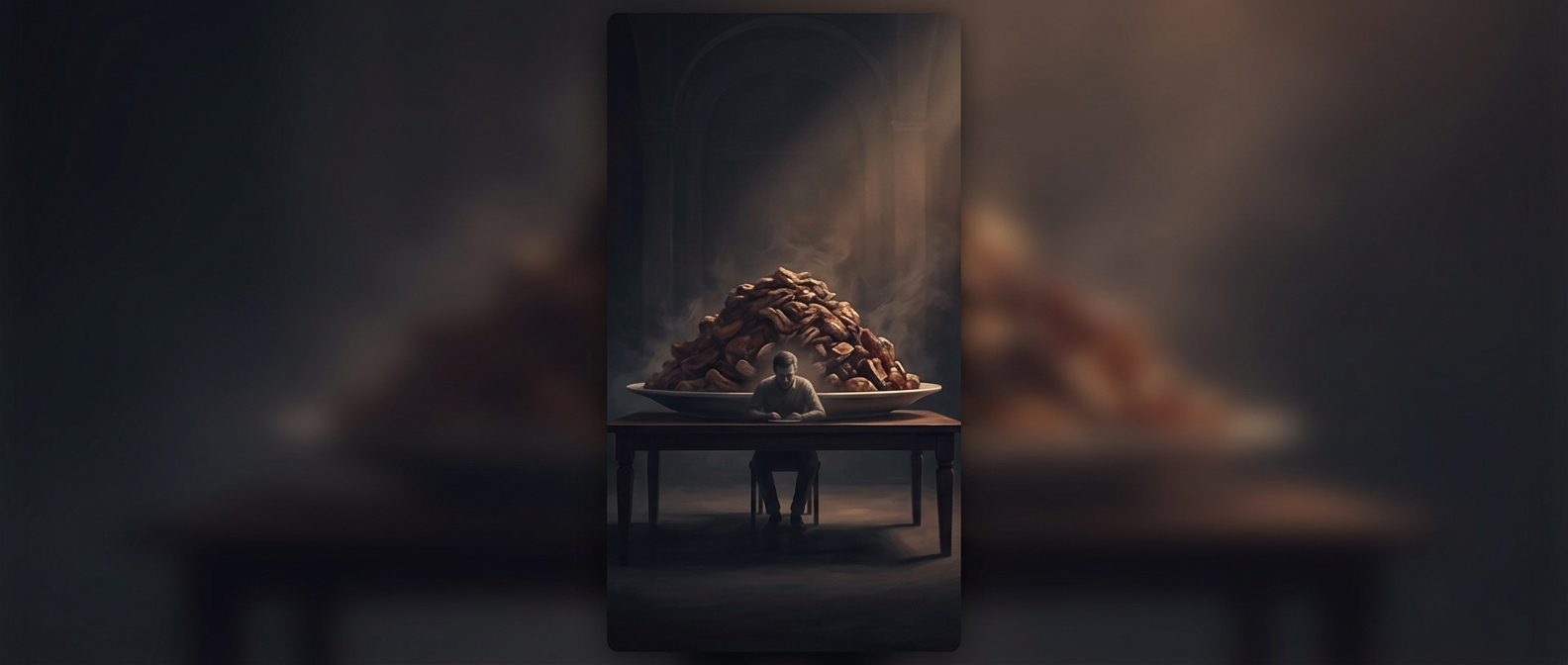
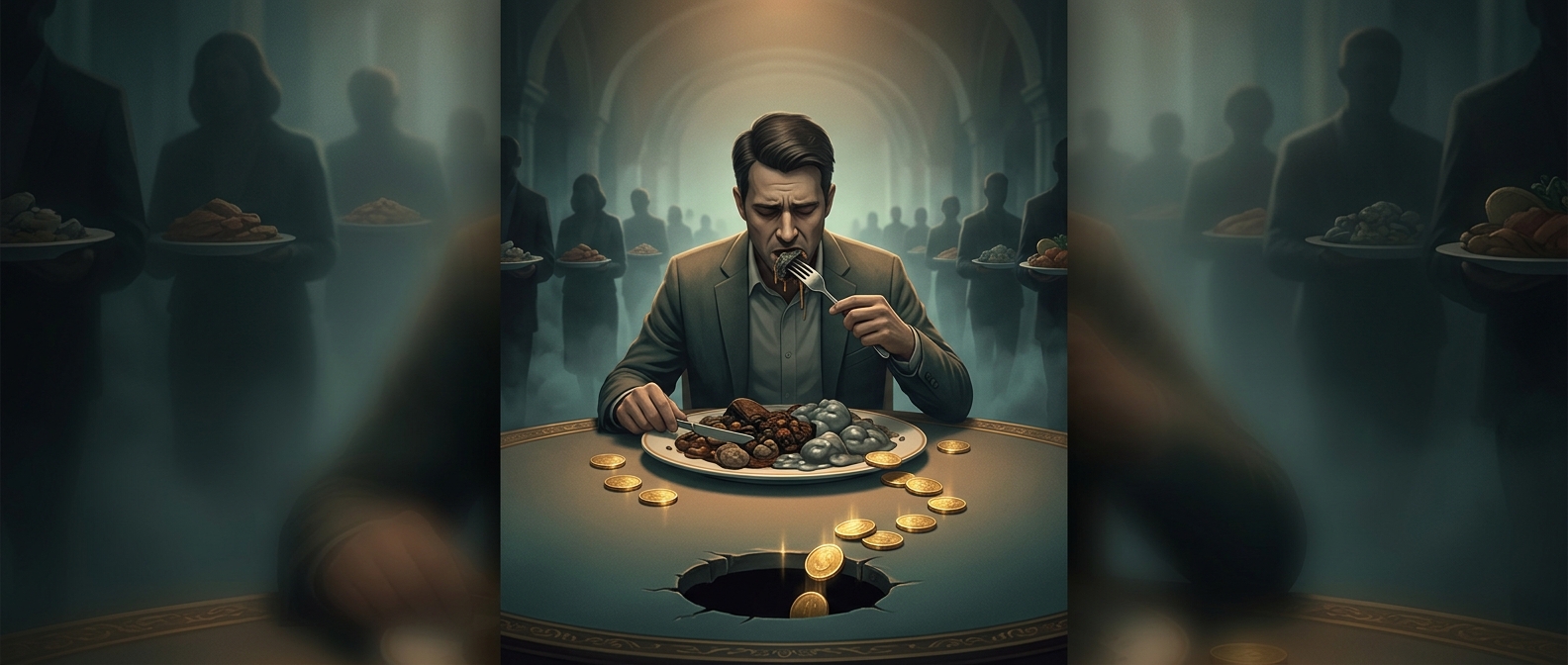
People do not decide when to stop eating from stomach signals alone. They also track what they can see: how much food remains, how much they have already taken, and whether the meal seems nearly finished. An empty bowl provides a clear endpoint. If food keeps appearing in it, that endpoint disappears.
In the hidden-refill experiment, a mechanism beneath the table replenished some participants’ bowls as they ate. Because the visible amount stayed up, the diners had less visual evidence that they had already consumed a substantial portion. They ate more than people whose bowls emptied normally, without accurately recognizing the difference.
The bowl changes the evidence, not the appetite
This is an example of an external cue—a feature of the surroundings that helps guide behavior. The bowl does not make someone hungrier; it makes the amount eaten harder to judge. When people rely on the bowl to estimate their intake, a steady supply of food can distort that estimate. Meanwhile, the body’s signals of fullness may take time to become noticeable, so the visual cue can influence eating before those signals prompt a pause.
That does not mean a refillable bowl will make everyone overeat, or that visual cues are the only influence on a meal. It shows why portion size and presentation can matter even when the food itself is unchanged. A practical implication is that serving a portion separately—and seeing the serving dish empty—can offer a more reliable stopping signal than eating from a container that always looks replenished.