How someone else’s rule becomes your inner standard
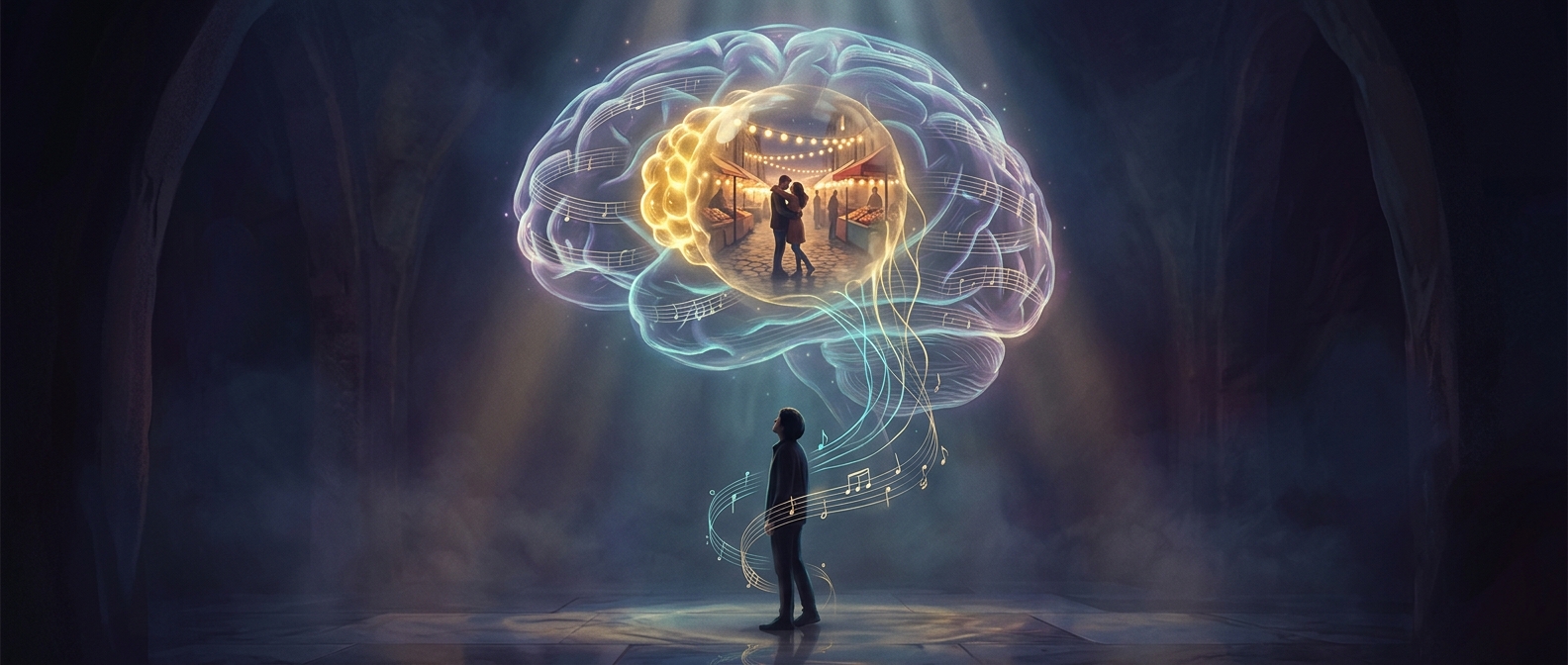
Introjection is a psychological process in which a person takes in another person’s attitudes or expectations and experiences them as their own. A child, for example, may absorb a parent’s rule about what counts as acceptable behavior. Later, even when the parent is absent, the person may judge themselves by that rule without consciously recalling where it came from.
The rule can feel self-generated because it has become part of the person’s own way of evaluating choices. Instead of thinking, “My parent expects this,” they may simply feel that a certain action is wrong, embarrassing, or unacceptable. That automatic feeling can guide behavior before they stop to ask whether the standard still fits their values or circumstances.
Why it can be hard to notice
People learn social rules through repeated interactions: approval, disapproval, advice, and the consequences of crossing boundaries. Over time, an external expectation can become an internal one. The original relationship may matter, but the person does not need to consciously remember a particular comment for its lesson to persist.
This is not the same as deliberately choosing to follow advice. A consciously adopted value has been considered and endorsed; an introjected rule may operate more like an unquestioned demand. The distinction matters because a person can feel compelled by a standard while believing it reflects a freely chosen preference.
Not every inherited expectation is harmful, and recognizing its origin does not automatically make it wrong. It does, however, create room to examine it: Is this standard still useful, and do I actually agree with it? That pause can turn an automatic self-judgment into a choice.