Psychology
Discover facts about psychology. Small discoveries that change the way you see familiar things.
Psychology

Mentally expanding the specific borders of a remembered scene
Remember a room you saw only through a doorway, and your mind may supply a little more space beyond the edges. Memory stores a scene as a usable picture, not…
Discover more
Why small problems suddenly feel catastrophic
When you’re worn down, a minor setback lands on top of everything else you’ve been holding together. Your mind has less spare capacity to absorb it, so the…
Discover more
Why finishing a TV series can feel like mourning
By the finale, characters can feel familiar because your mind has spent hours tracking their hopes, habits, and relationships. Then the story stops giving you…
Discover more
Paul Rudd once auditioned to play Jack in Titanic
Before a role is cast, several actors can seem like plausible versions of the same character. Once a film fixes one face in your memory, hindsight makes that…
Discover more
Why cold weather can trigger cuffing season
When the weather turns cold, people spend more time indoors and face more evenings built for staying in. That can make companionship feel especially…
Discover more
Why falling in love can resemble OCD
When you’re falling for someone, your mind may keep returning to the same person and the same unanswered questions. A message brings relief; then you start…
Discover more STACKY FOR IPHONE
A bigger world.
One discovery
at a time.
Keep discovering with Stacky. Interesting facts in an app that is always within reach.
Why being told to clean your room makes you resist
The room may need cleaning, but an order can make the job feel like someone else’s choice. Resisting restores a little control—even if you wanted a tidy room…
Discover more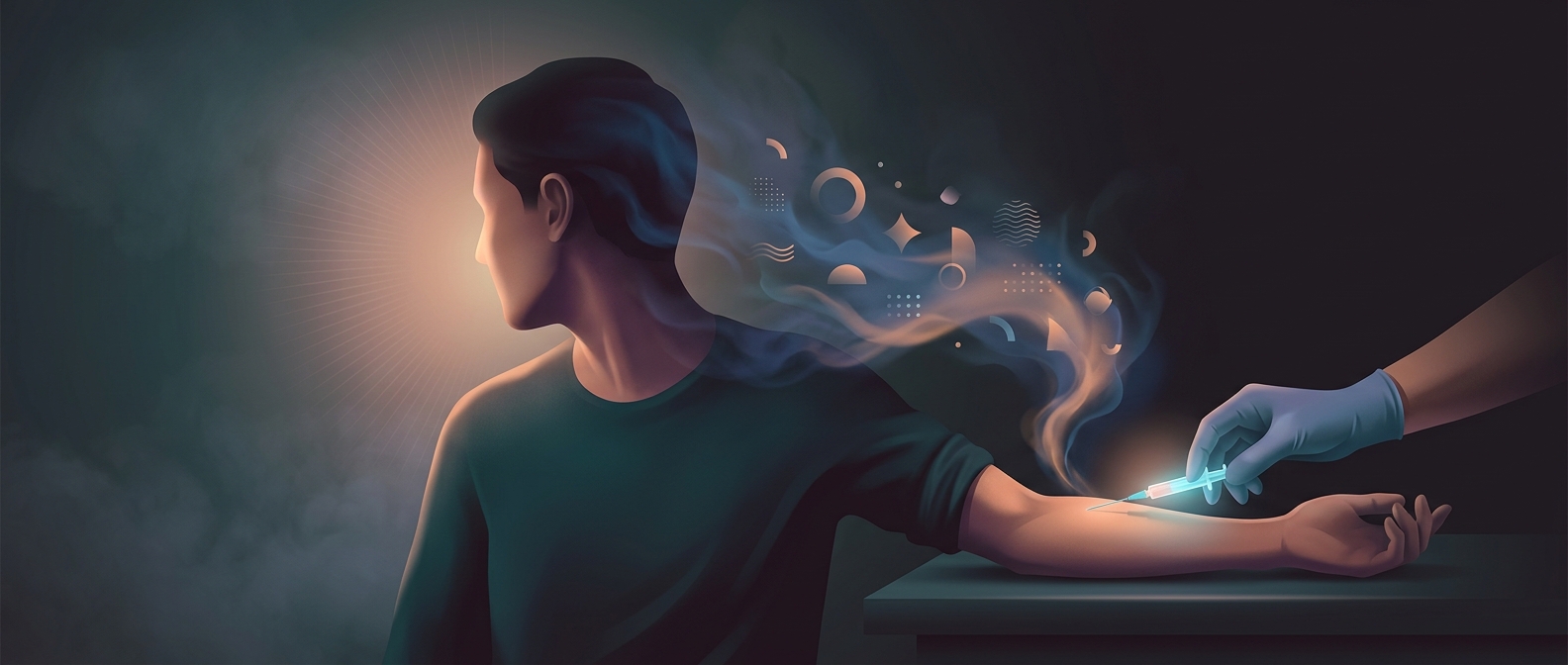
Why looking away can make a needle hurt less
A needle in your line of sight gives your attention a countdown: there it is, it’s closer, now it’s touching you. Looking away removes that stream of visual…
Discover more
When motion turns into freeze-frames
Under a strobe, a spinning wheel can seem to pause or crawl backward. The light is showing your eyes separate glimpses of the movement, not a smooth stream.…
Discover more
More socializing didn't mean more happiness for everyone
A 2016 study found that the usual link between frequent time with friends and life satisfaction reversed among participants with very high intelligence…
Discover more
Why eye-rolling can doom a relationship
A couple can survive plenty of disagreement; contempt is more corrosive. The eye-roll mocks the other person instead of answering them, turning a complaint…
Discover more
Tens mostly date tens while fives stick with fives
A rating scale makes dating look like a neat ladder, but people usually meet through overlapping social worlds and choose people who choose them back. Those…
Discover more
Working continuously without breaks destroys your focus
After hours of continuous work, the next paragraph can go in through your eyes and fail to register. Attention is not a bottomless tank: staying on one task…
Discover more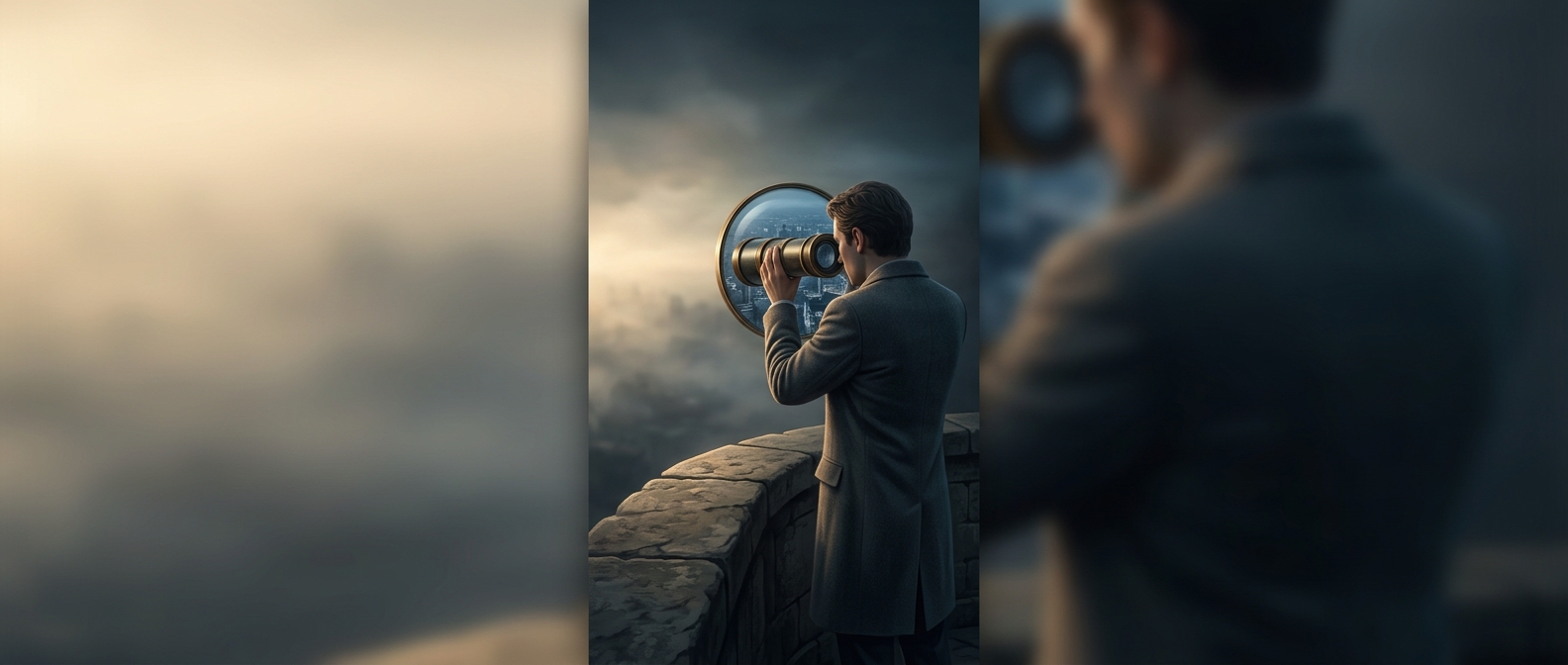
Feeling certain is not the same as being accurate
Research on depressive realism asks whether mood changes judgments about control and success. A review of 75 studies found only a small overall effect,…
Discover more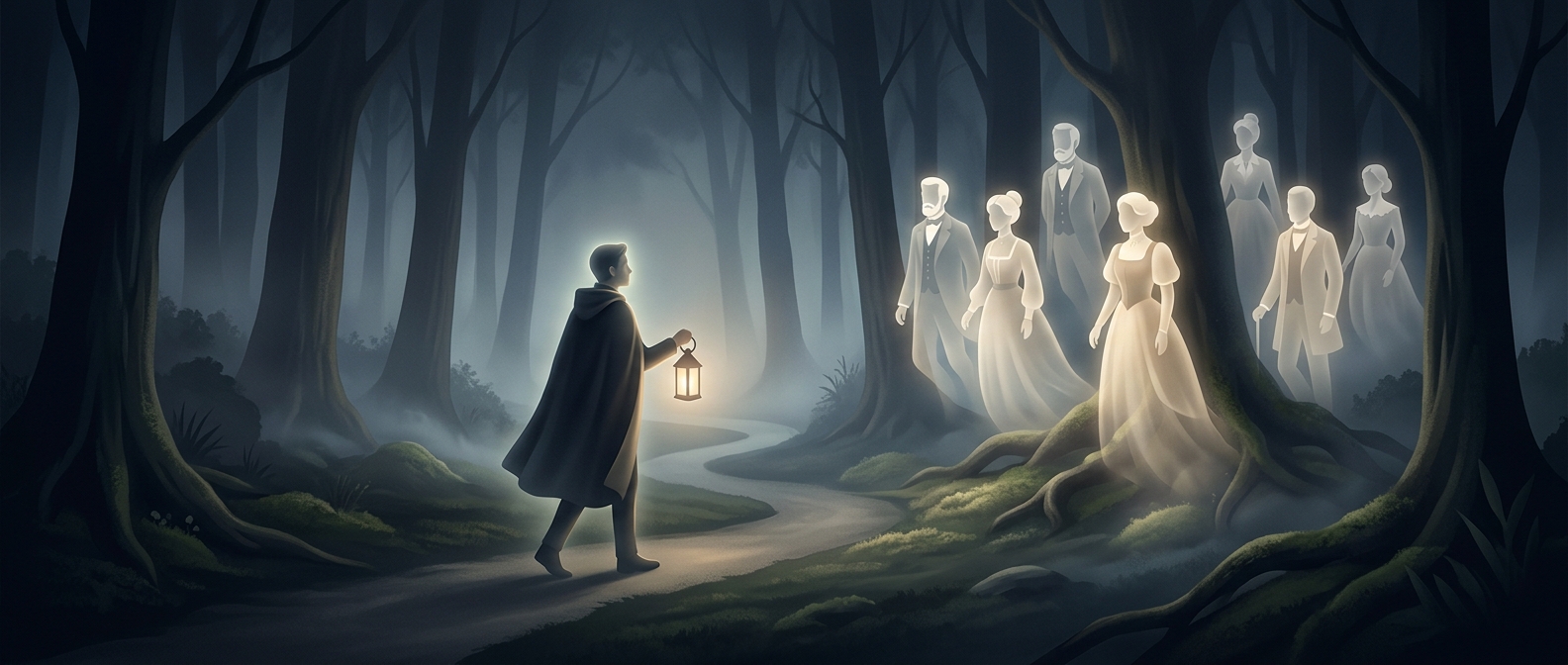
Genealogy tourism is paying to find dead relatives
Paying to stand where an ancestor lived can make a family tree feel less like names on a screen and more like a place you can enter. The trip turns distant…
Discover more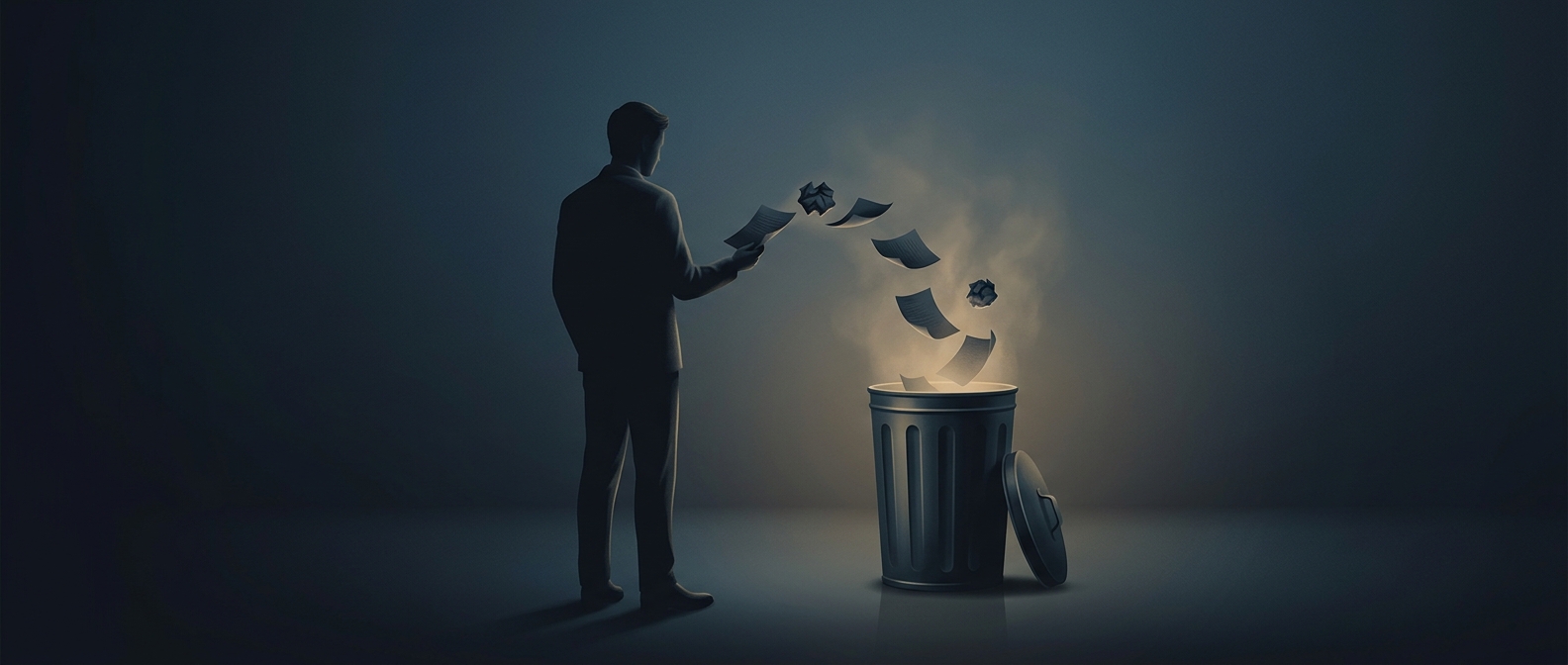
Researchers tested throwing anger into the trash
After receiving insulting feedback, participants in a 2024 study wrote down their feelings. Those who discarded or shredded the paper reported a larger drop…
Discover more
Thinking really hard does not physically alter reality
You can imagine a door opening all afternoon; the door stays shut until a real action changes its state. Thought can guide what you do, but it doesn’t…
Discover more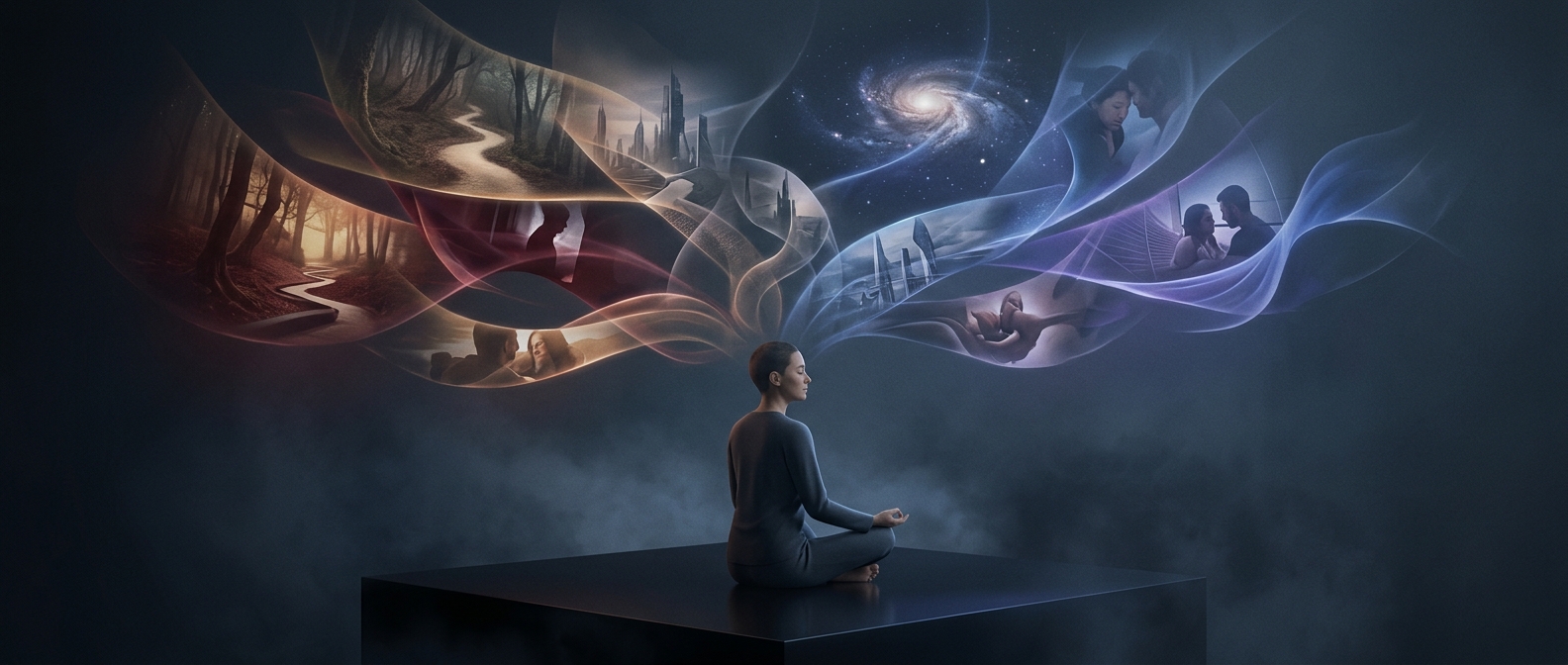
Researchers caught wandering minds in nearly half their samples
A Harvard study asked volunteers through their phones what they were doing and thinking about at random moments. In 46.9% of responses, their thoughts were on…
Discover more
Why opposing beliefs can actually feel painful
A belief can become part of the story you use to understand yourself and the world. An opposing idea threatens that story, creating mental conflict that feels…
Discover more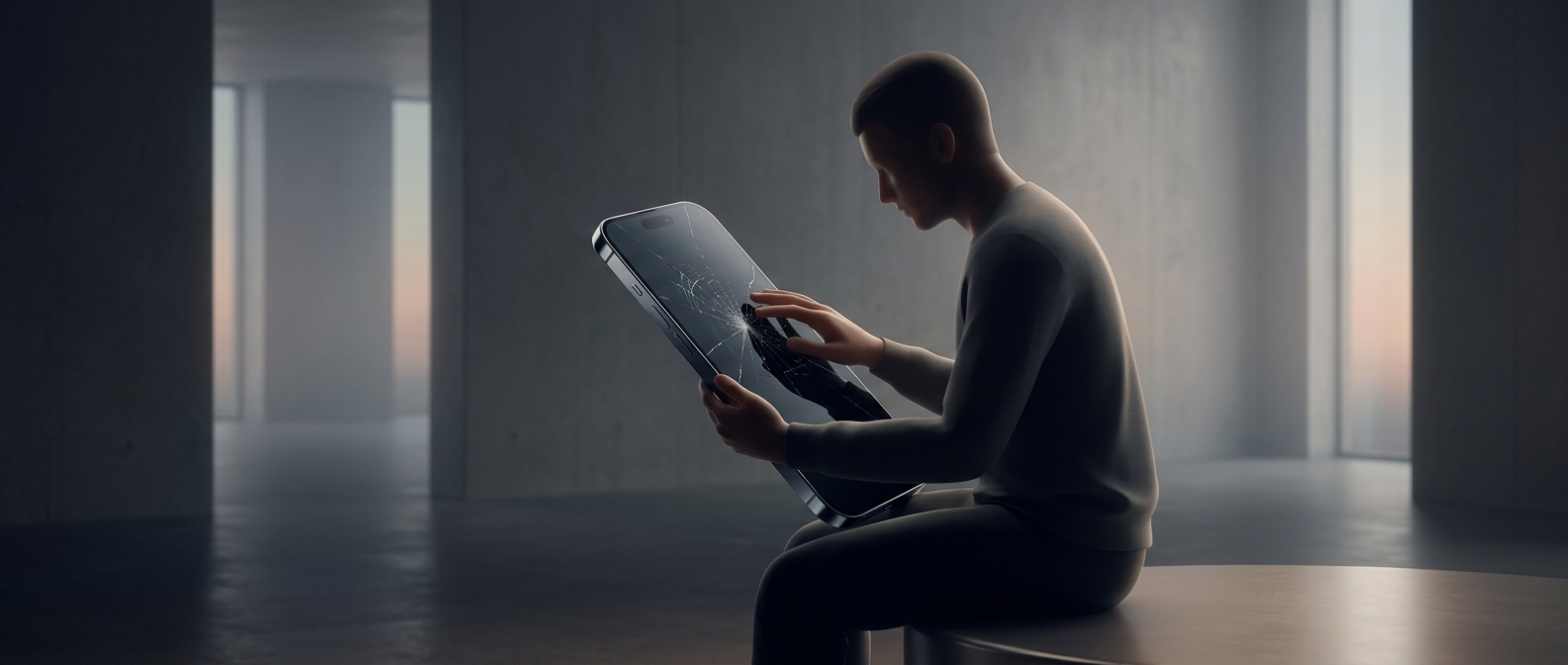
Why beautiful software gets away with crashing
A beautiful interface can make a frustrating program seem easier to use, a pattern known as the aesthetic-usability effect. Good looks shape the first…
Discover more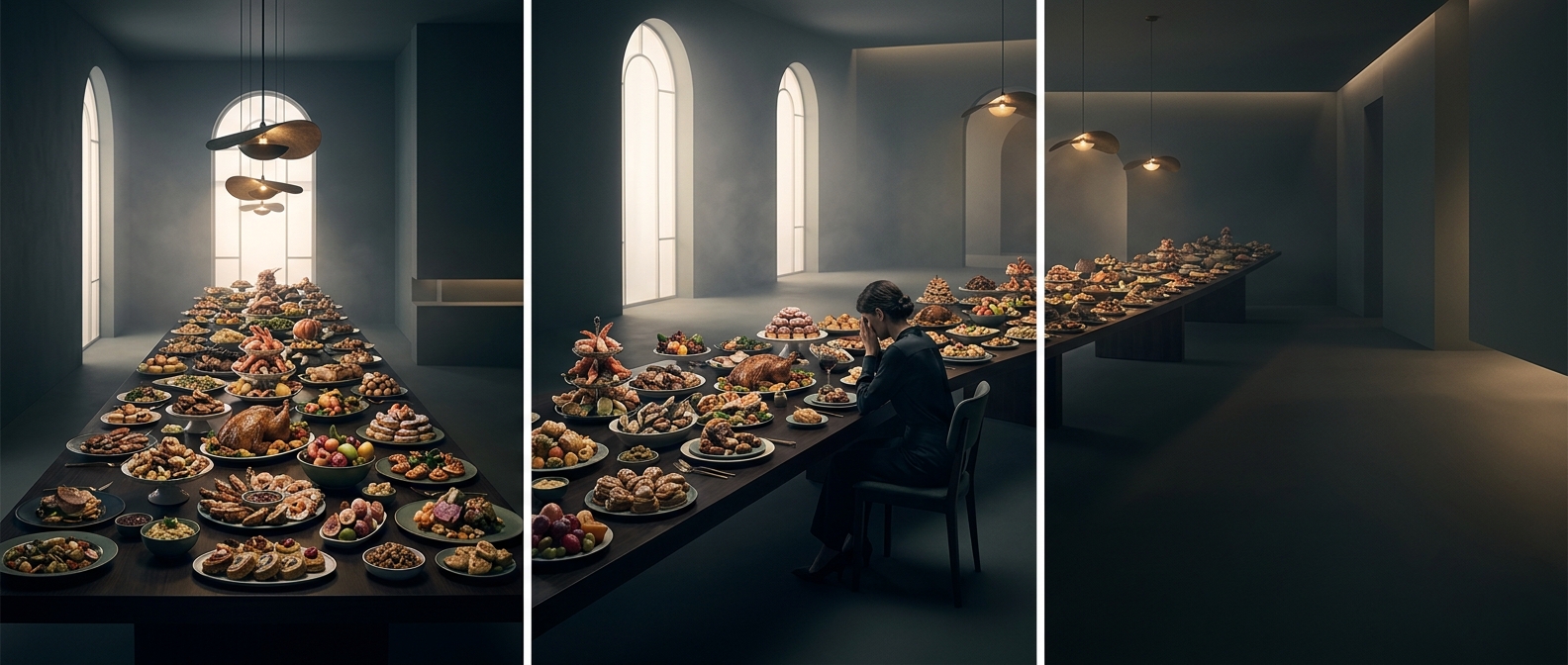
Starving guests order entirely too much food
A hungry guest doesn’t just want dinner; they’re trying to solve the feeling of hunger before it gets worse. That can make extra dishes seem like prudent…
Discover more
Different sleep schedules can leave a group with a night watch
Researchers monitoring Hadza hunter-gatherers found very little time when every participant was asleep at once. Later sleepers, early risers, and brief…
Discover more
You buy the jacket first. Your brain writes the reasons later
Imagine buying the costly jacket on impulse, then remembering its excellent stitching and how long it will last. Those reasons may be real, but after the…
Discover more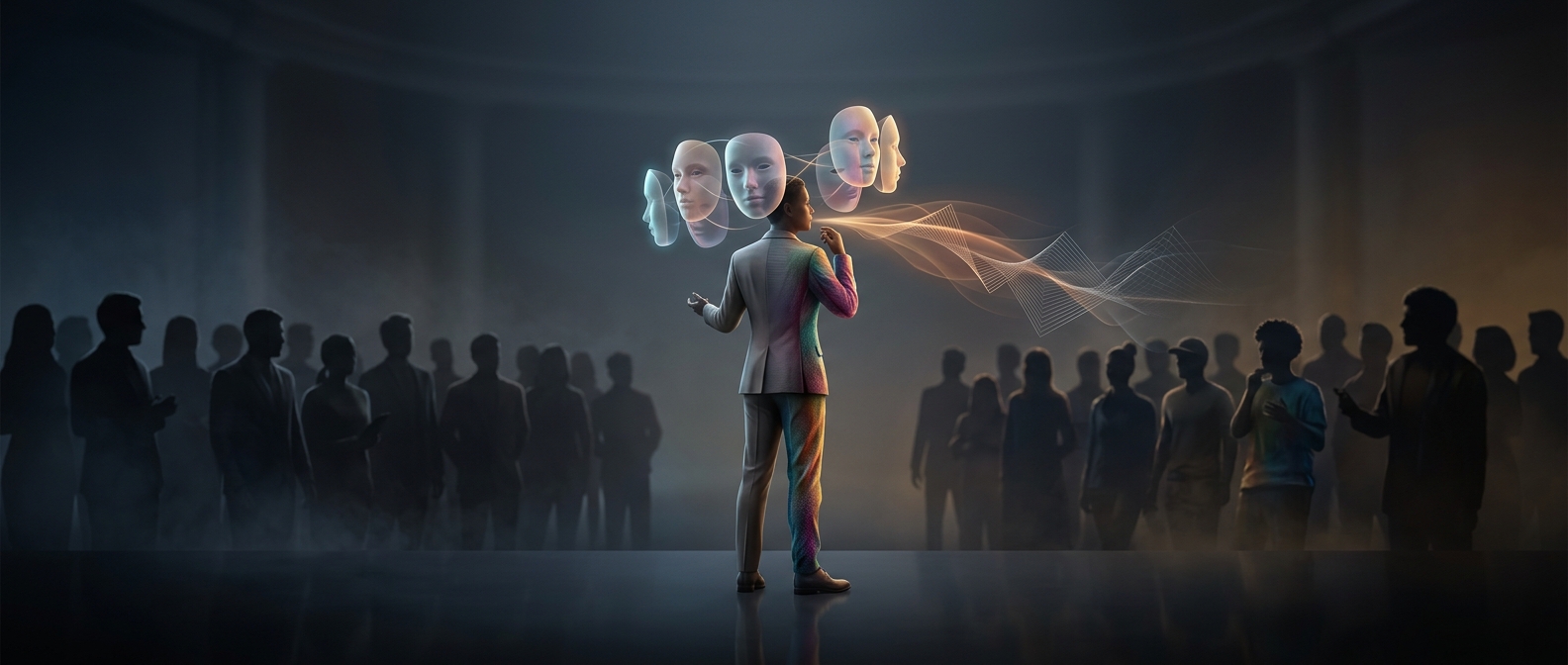
Why you sound different in every room
Your voice is partly a response to the people listening. You may explain more around strangers, use shorthand with friends, or soften your tone at work. The…
Discover more