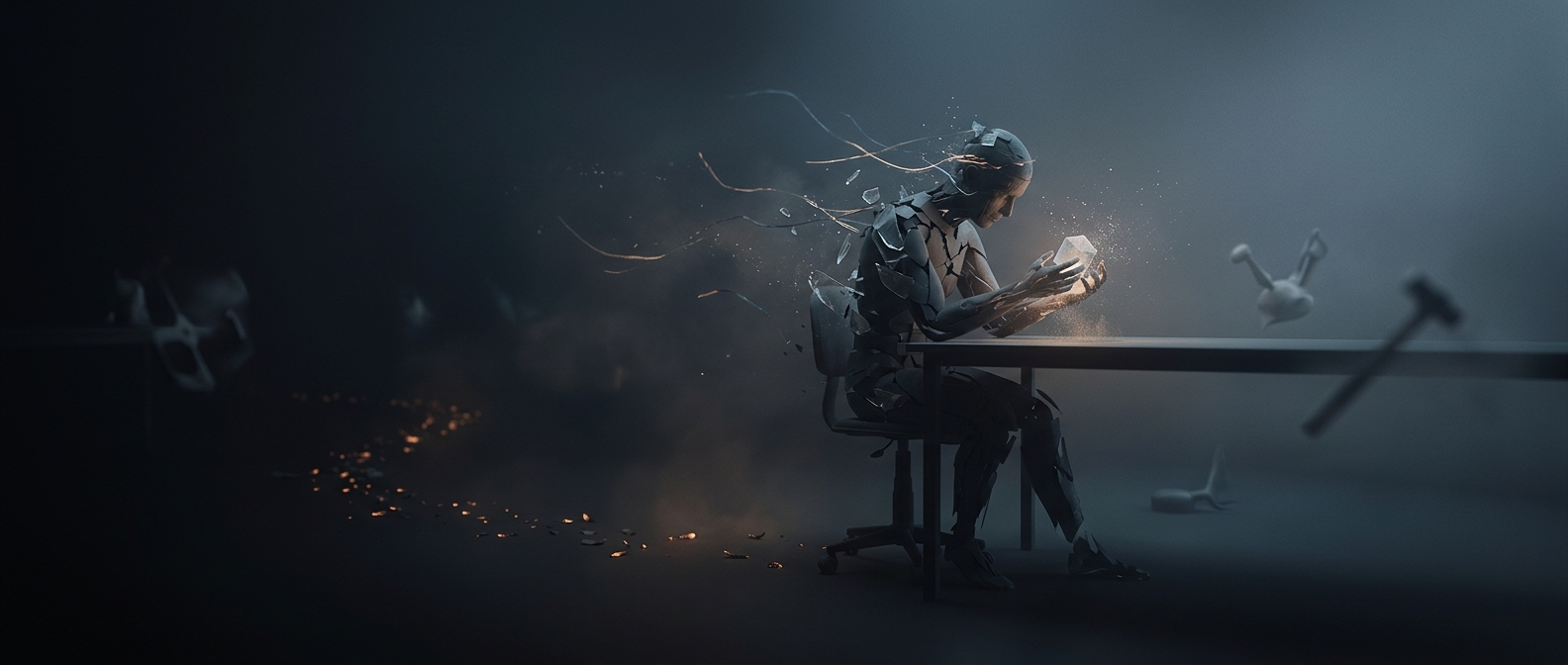
Why the next paragraph stops registering
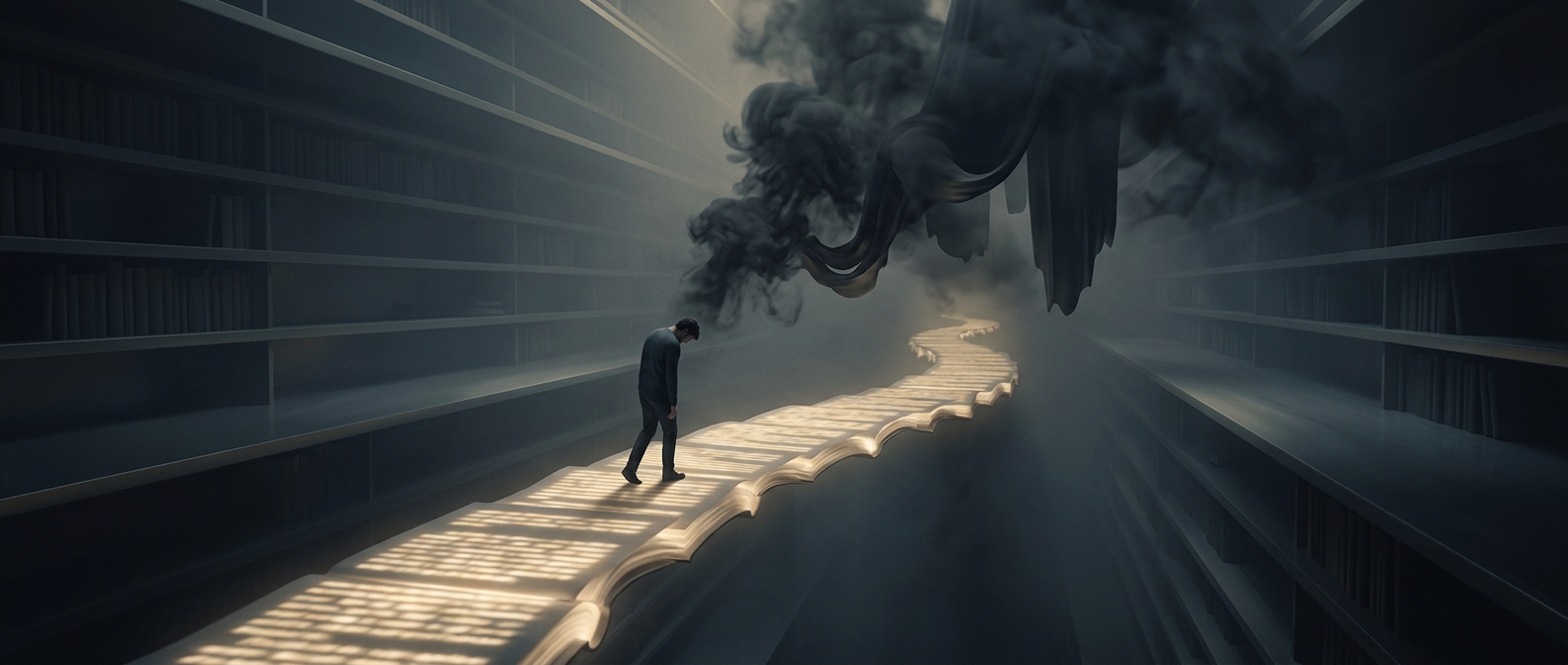
Reading uses more than eyesight. Your attention has to keep selecting the words in front of you, holding their meaning in mind, and linking each sentence to what came before. When you work on the same demanding task for a long stretch, that control can become less reliable. Your eyes may keep moving across the page even as your mind begins to miss details or drift elsewhere.
This is why time spent at a desk is not the same as time spent focused. You can still feel present and keep typing while making more mistakes, rereading passages, or taking longer to decide what to do next.
What a break changes
A useful break interrupts the task’s stream of demands. Looking away, standing up, or briefly switching to something that does not require the same kind of concentration gives attention a chance to disengage from the work. The point is not that a few minutes erase fatigue, but that stepping out of the loop can make it easier to return deliberately rather than continuing on autopilot.
The break also creates a natural checkpoint: you can notice whether you still understand what you are reading or whether you have been scanning without absorbing. That small reset can prevent lost focus from quietly turning into avoidable errors.
The practical signal
Do not wait until you are completely stuck to pause. If you find yourself rereading the same line, losing track of a sentence, or making simple mistakes, those are signs that your attention may need a change of pace. A short interruption can protect the quality of the work that follows—even when it does not add more working time.