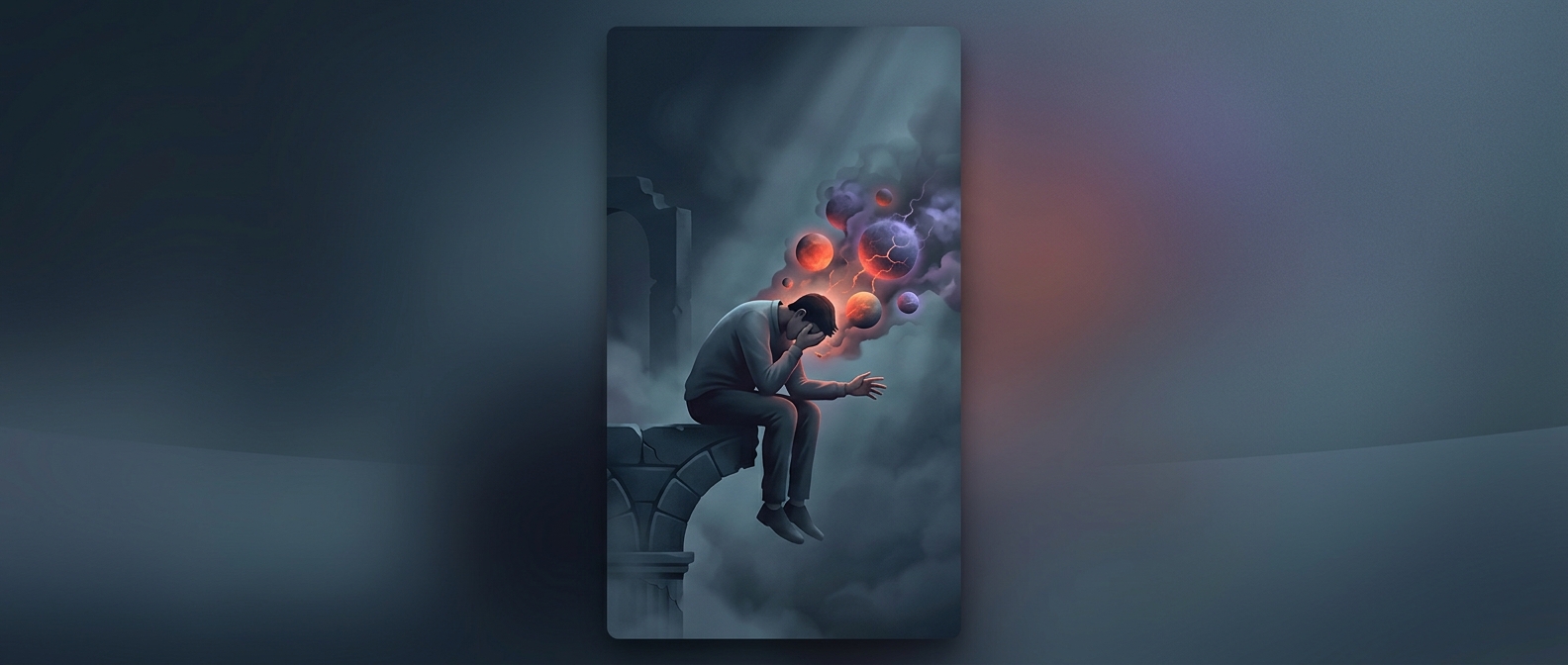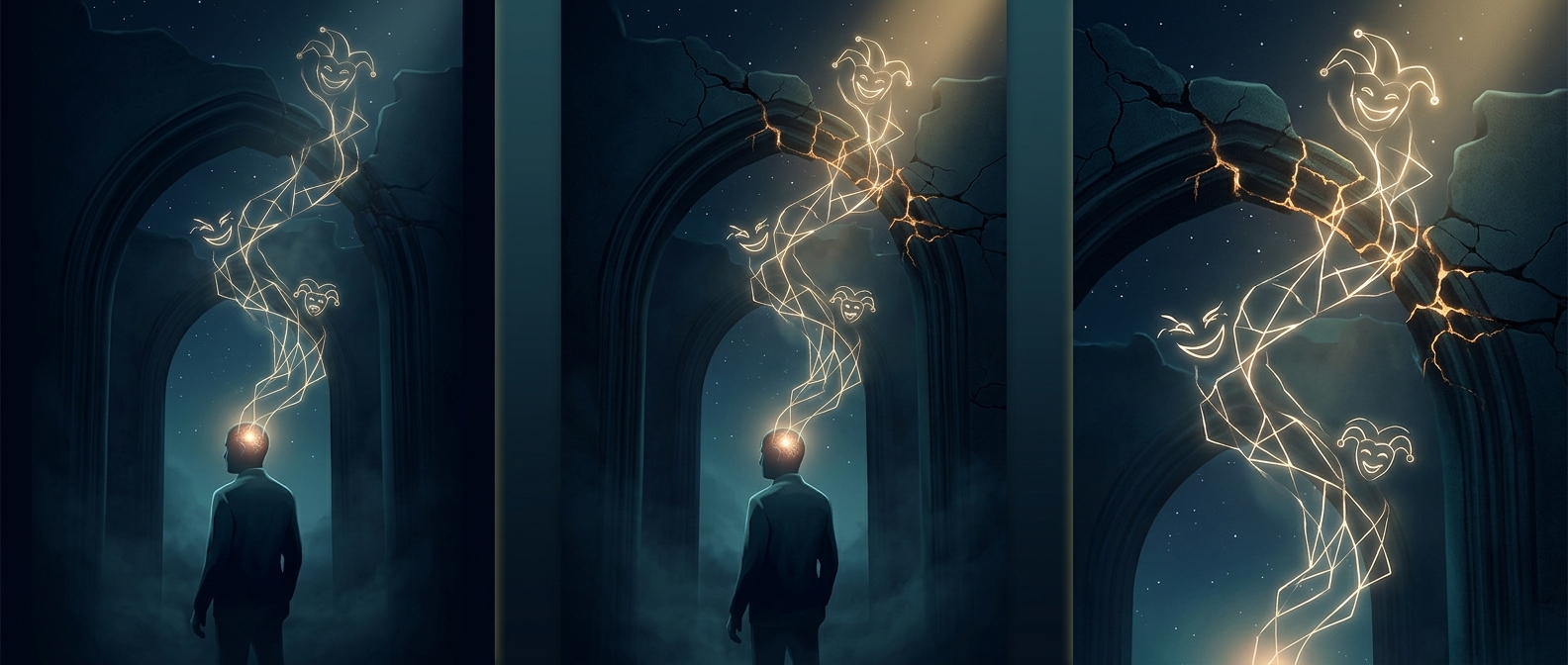
When the mental filter slips
A tired mind can have more trouble holding a goal in focus and suppressing distractions. That can change which ideas enter awareness. Instead of following the most direct route to a solution, attention may drift to a memory, image, or unrelated detail—and the mind may connect it to the problem.
This kind of looser association can be useful when a task has become stuck on one familiar approach. A remote connection may suggest a new angle. But fatigue does not reliably make people more creative; it can also make it harder to track a line of thought or notice that an idea does not fit.
A spark is not a finished solution
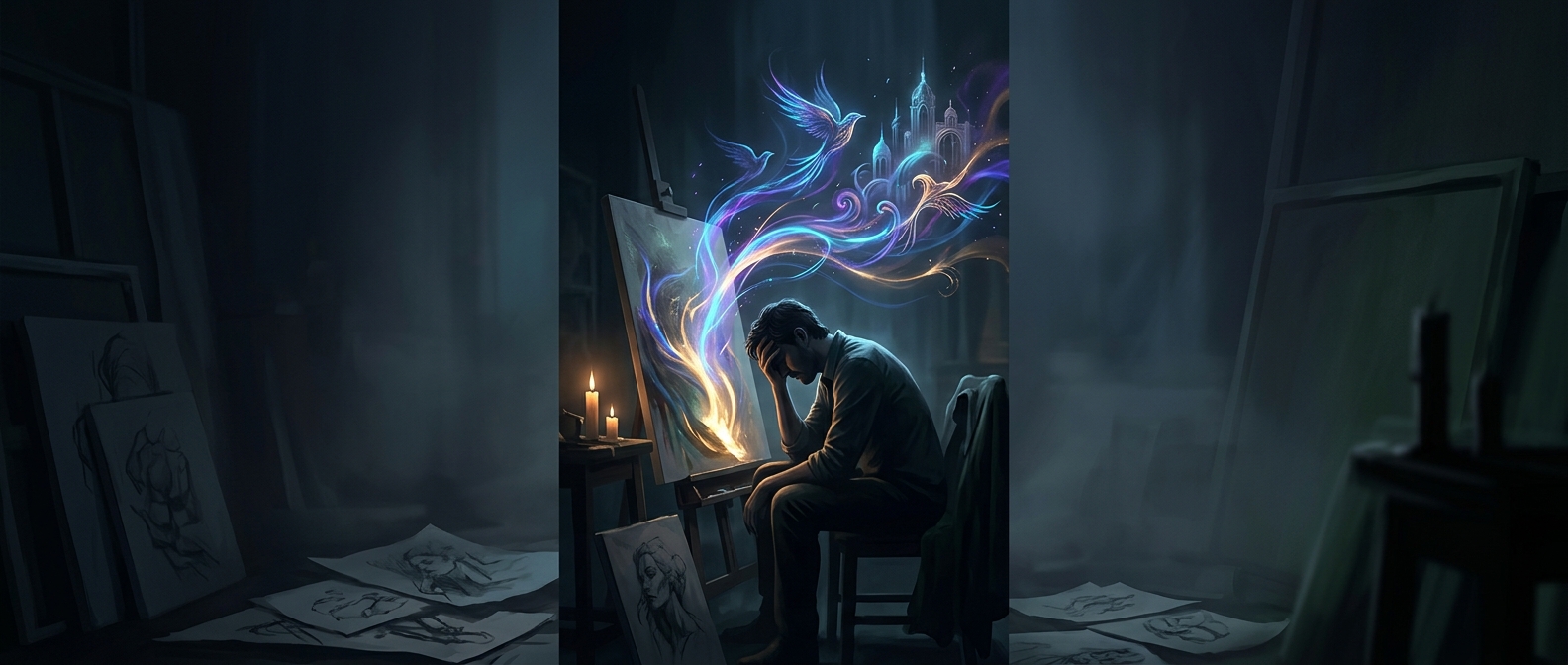
Creative work involves at least two different jobs: generating possibilities and judging them. Wandering associations can supply a candidate idea, while careful evaluation checks whether it is coherent, practical, and actually answers the question. Tiredness may help the first process occasionally while weakening the second.
That is why an idea that feels startlingly insightful late at night deserves a second look. Write it down, then assess it when you can concentrate. The useful surprise may survive; the weak reasoning around it may not.