What a “dopamine fast” can actually change
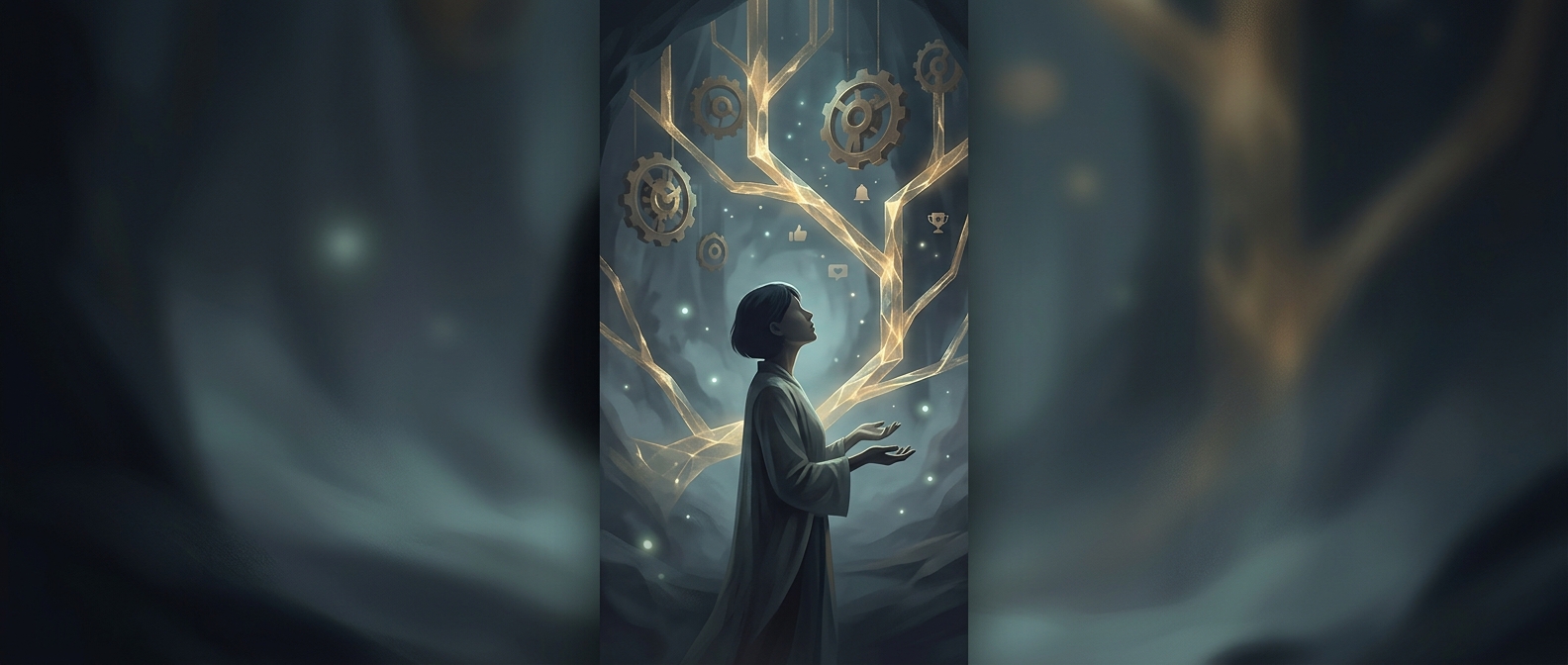
Dopamine helps the brain learn which actions and signals are worth pursuing. When a notification, snack, or game repeatedly leads to something rewarding, the brain can begin responding to the cue itself: a phone lighting up may prompt a reach before you have consciously decided to check it.
Taking a break from that cue can interrupt the sequence. If the phone is out of reach or an app is unavailable, there are fewer prompts to act on, and the habit gets fewer chances to run automatically. That is a change in your surroundings and behavior—not a period when the brain runs out of dopamine.
Less stimulation is not a chemical reset
Dopamine is part of ordinary brain activity, involved in processes such as movement and learning as well as motivation. The brain continues making and using it during a break from entertainment or other rewarding activities. “Fasting” is therefore a misleading label if it suggests that dopamine is a substance that accumulates and must be drained away.
A pause may still be useful. Removing a frequent cue can make a routine easier to notice and create room to choose what to do next. But it does not guarantee that cravings vanish or that the brain has been restored to a special baseline; habits can return when the same cues and opportunities return.
Change the loop, not the brain’s supply
For a behavior that feels hard to control, the practical question is often what reliably sets it off and what happens next. Moving an app off the home screen, silencing alerts, or keeping a device out of reach changes the cue-and-response pattern more directly than trying to eliminate dopamine. The goal is not to starve the brain—it is to make an automatic reach less automatic.