Why an interruption can feel like a jolt
Writing a long message involves more than moving your fingers. You are holding an idea in mind, choosing words, and keeping track of how each sentence fits the next. Some of that plan stays in working memory—the limited mental workspace you use to keep information active while you think.
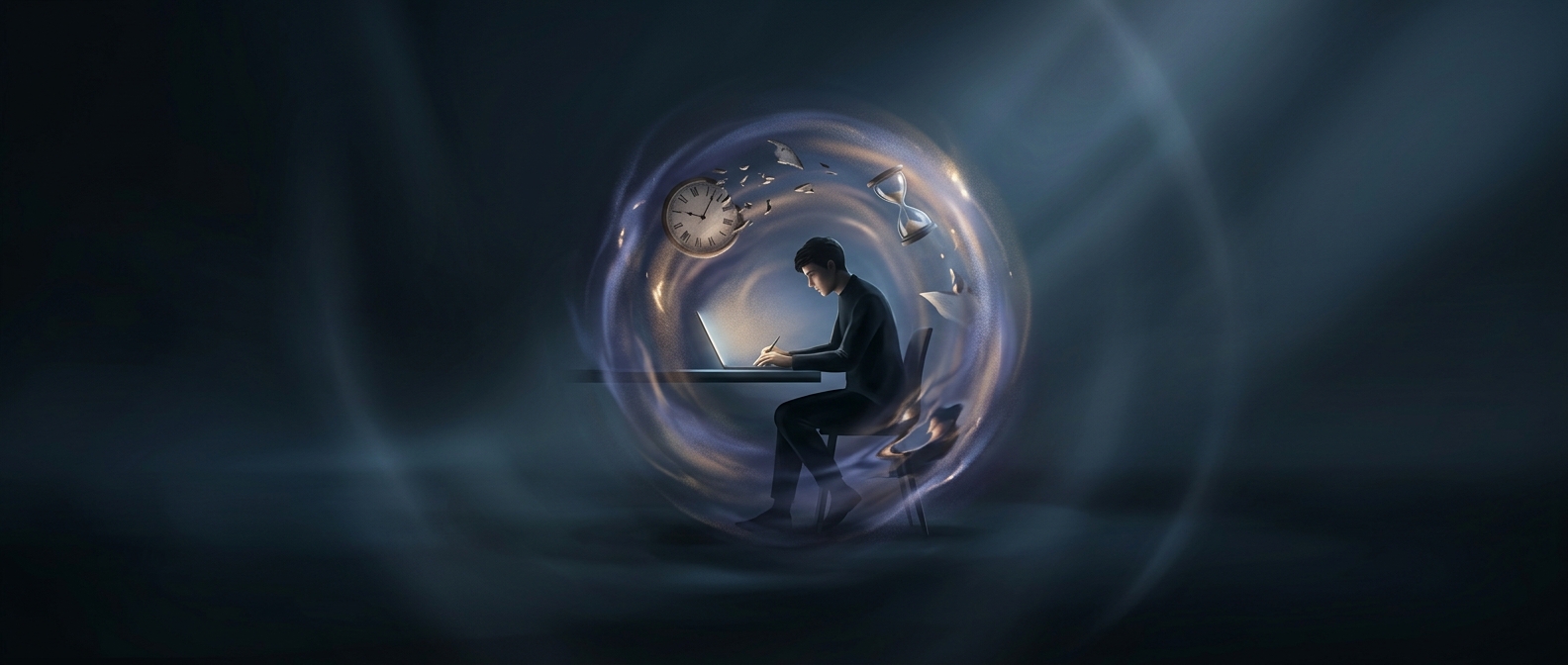
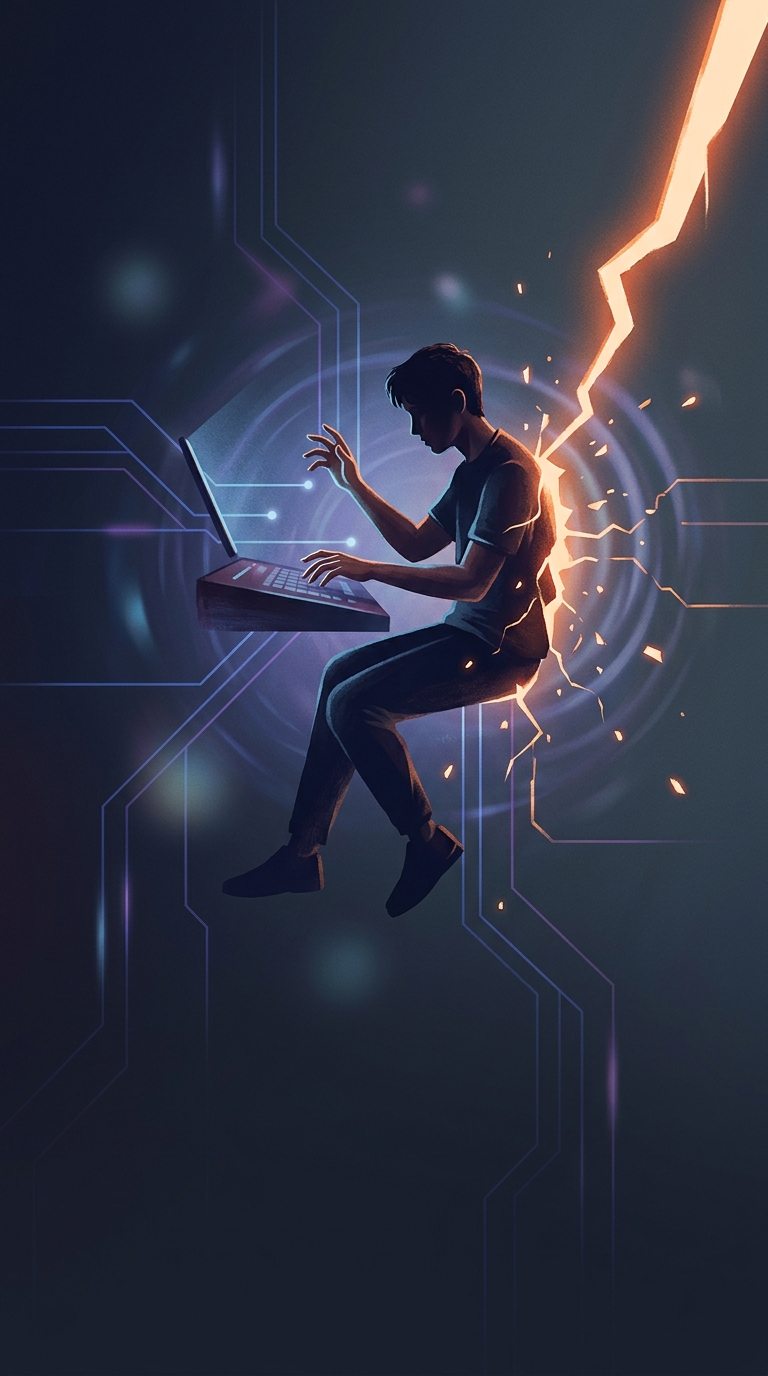
A sudden interruption redirects attention to a new task. The message may still be on the screen, but the mental plan behind it can become harder to retrieve: you may lose the sentence you were building, the point you meant to make, or the tone you were trying to strike. Having to reconstruct that plan makes the interruption feel more costly than a brief pause in typing.
The unfinished thought keeps pulling at you
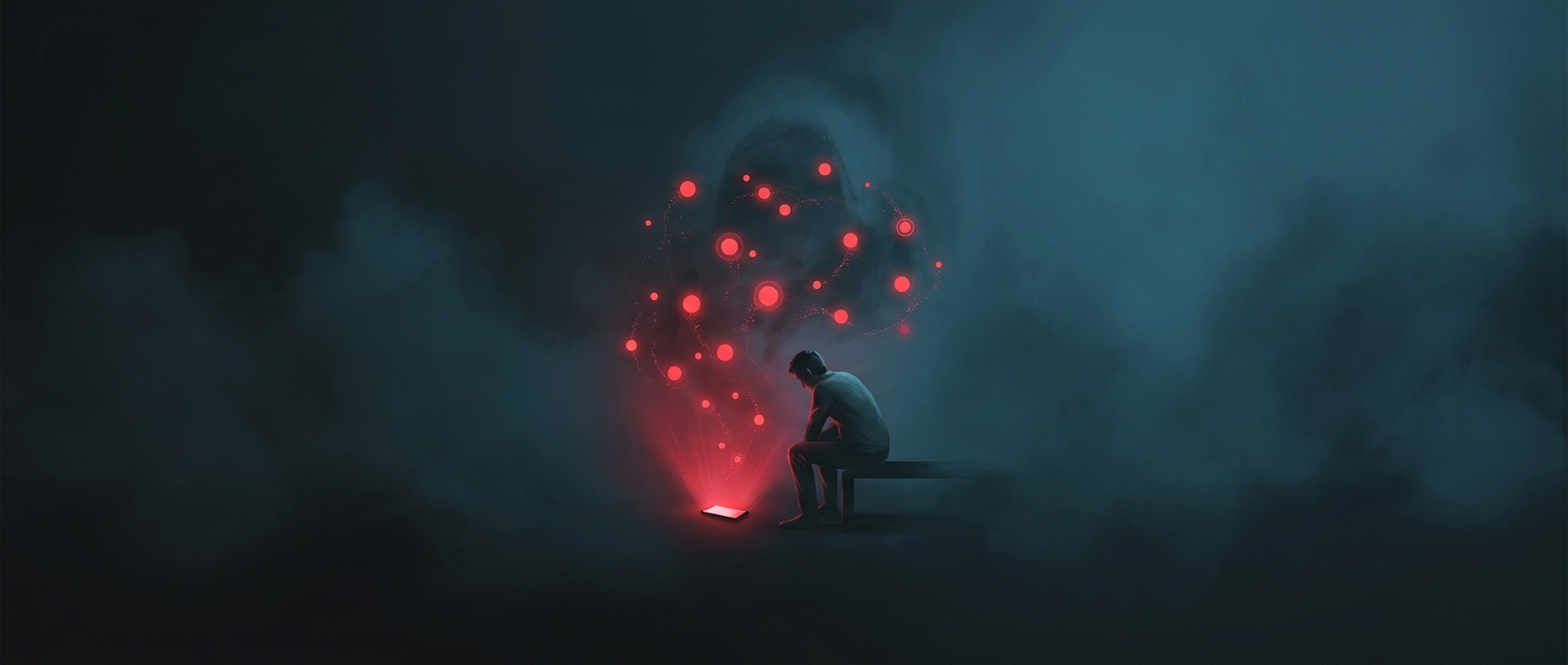
An incomplete task can remain mentally active after you turn away from it. Part of your attention may still be monitoring what you meant to finish, even as you try to deal with the interruption. Psychologists often call this attention residue: thoughts about one task linger while you are trying to focus on another.
That split can be especially irritating when the message matters. You may be weighing how to phrase something personal or consequential, so the interruption breaks not just a sequence of words but a delicate chain of decisions. The result can register as tension or a sharp surge of frustration—pain-like in its intensity, even though the immediate cause is a disruption of attention rather than physical injury.
A small cue can make returning easier
Because the problem is partly losing the mental thread, leaving yourself a quick marker can help: finish the current sentence, jot down the next point, or add a few words about what you were about to say. That gives you a visible starting place when you return, instead of making your mind rebuild the whole message from scratch.