A closer look
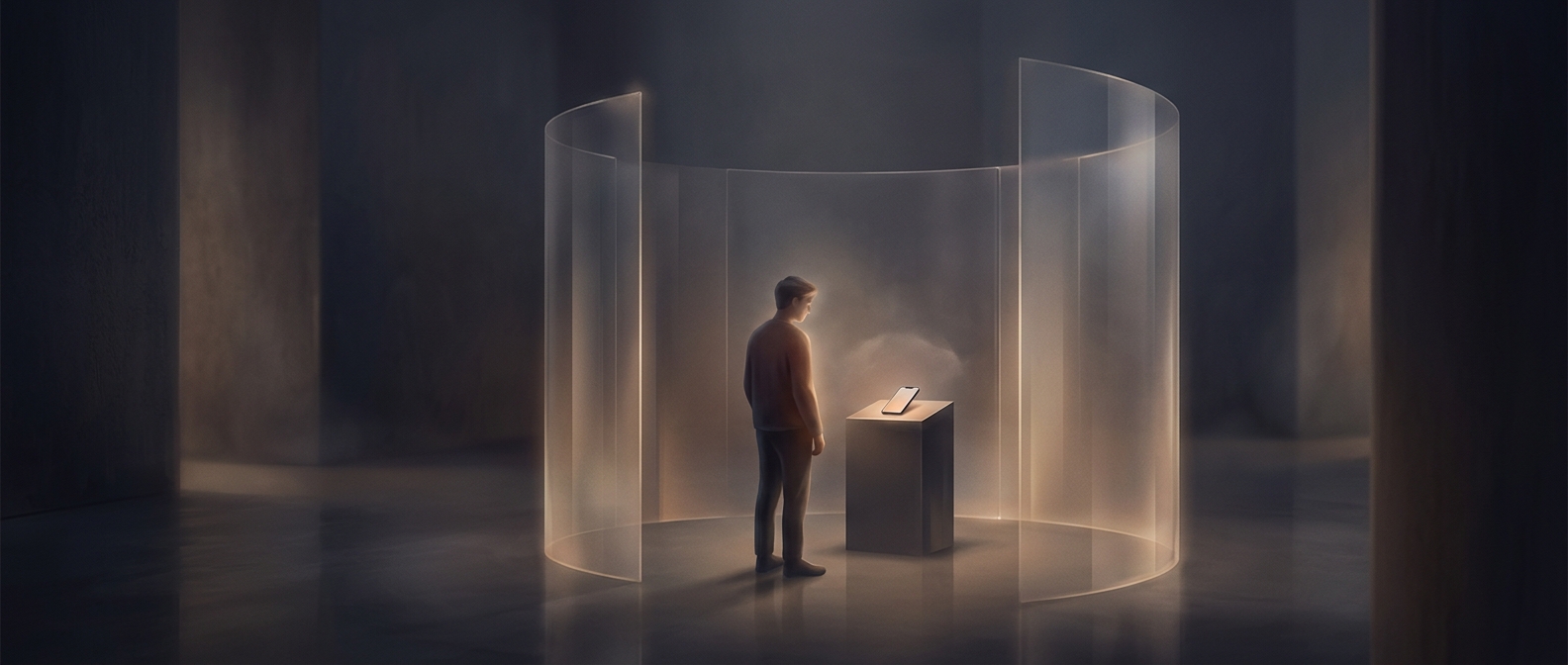
Imagine distraction as a sneaky cat that pounces the moment you leave the door ajar. By shifting tiny details around you—placing your phone across the room, clearing just one noisy tab, or arranging your desk—you build invisible fences that nudge the cat away. Our brains respond dramatically to these micro-barriers because habits are lazy; they follow the path of least resistance. Suddenly, what felt impossible—staying focused, diving into tasks—becomes smoother, as if the environment itself whispers supportive cues. In small, nearly invisible tweaks lies a secret superpower against procrastination.