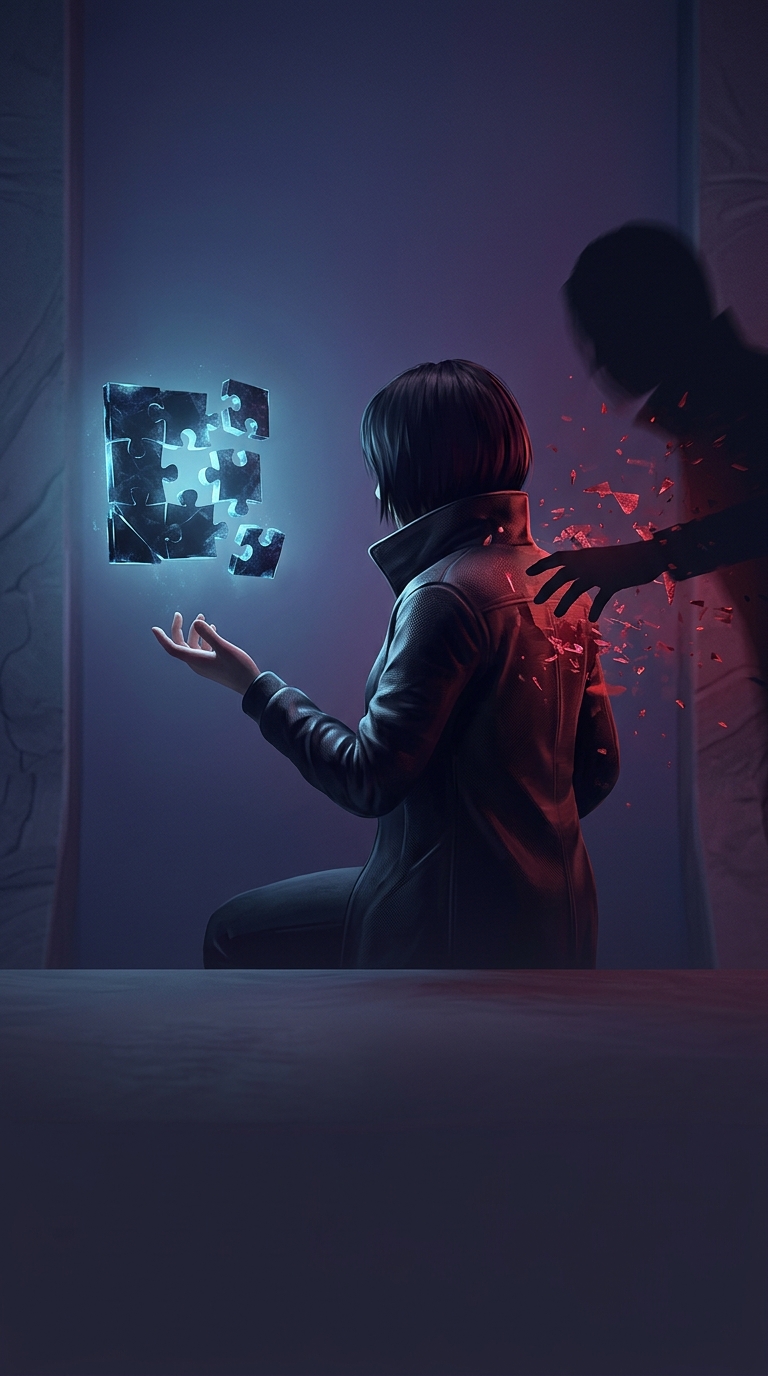
Why absorbed attention leaves a short-looking memory
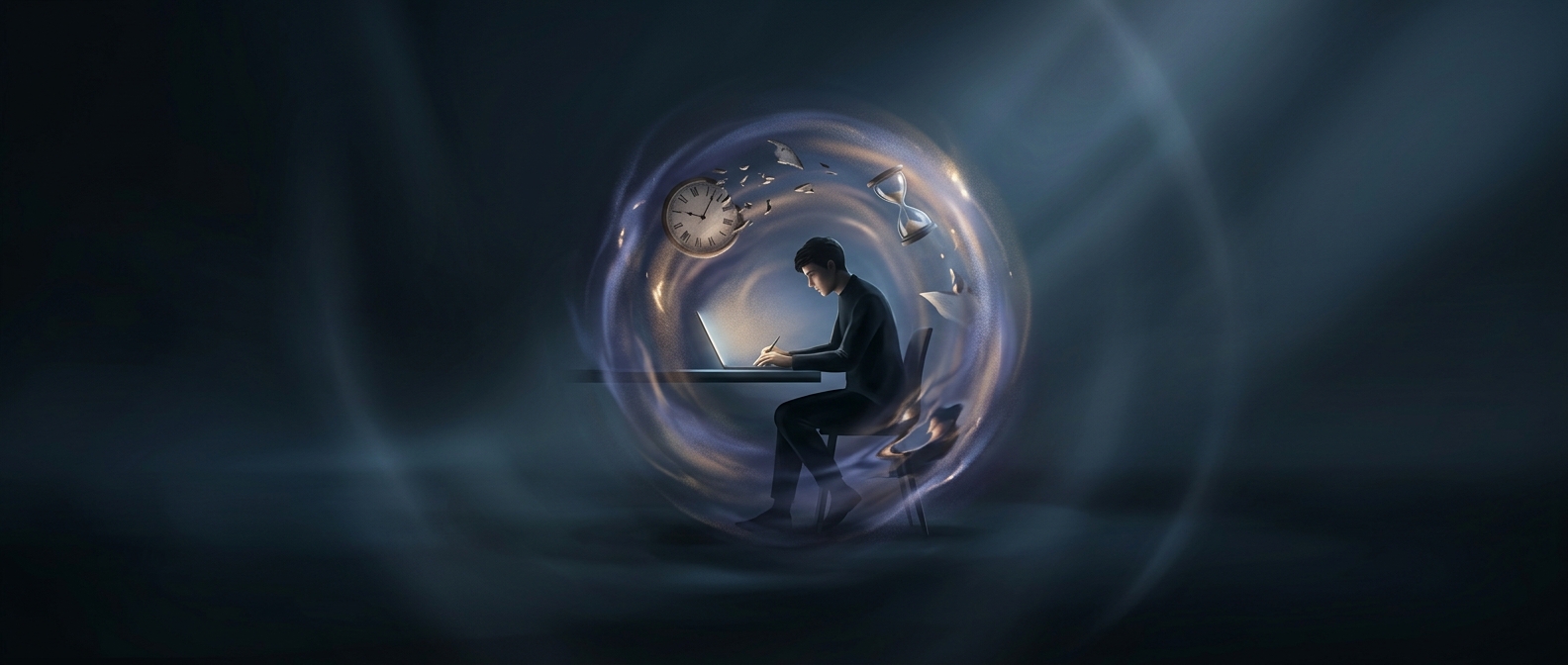
When a task fully occupies your attention, there is little capacity left for checking the clock or noticing how much time has passed. Your focus keeps moving to the next useful detail: the word to write, the note to play, the move to make. Time has not literally sped up; it has stopped being something you actively track.
The difference between feeling time and remembering it
While you are absorbed, the experience can feel smooth and continuous. Later, however, your sense of how long it lasted depends partly on what you can recall about that stretch. Ordinary interruptions—checking the time, switching tasks, noticing a change in your surroundings—create mental markers that help divide an interval into pieces. A stretch with few such markers can seem brief in retrospect, even if it lasted a long while.
This is why the same activity can have two different time scales: it may feel vivid as it unfolds, yet leave a thin record of its duration. The details of the work remain memorable; the passing minutes do not.
Why flow feels rewarding—and can surprise you
Flow is most likely when a task holds attention and keeps presenting a manageable next step. That steady sequence makes it easy to stay engaged without repeatedly stepping outside the activity to assess it. The tradeoff is that practical cues—like a meal getting cold or a planned break approaching—may go unnoticed. A quick check of the clock can restore those cues without requiring you to abandon the task altogether.