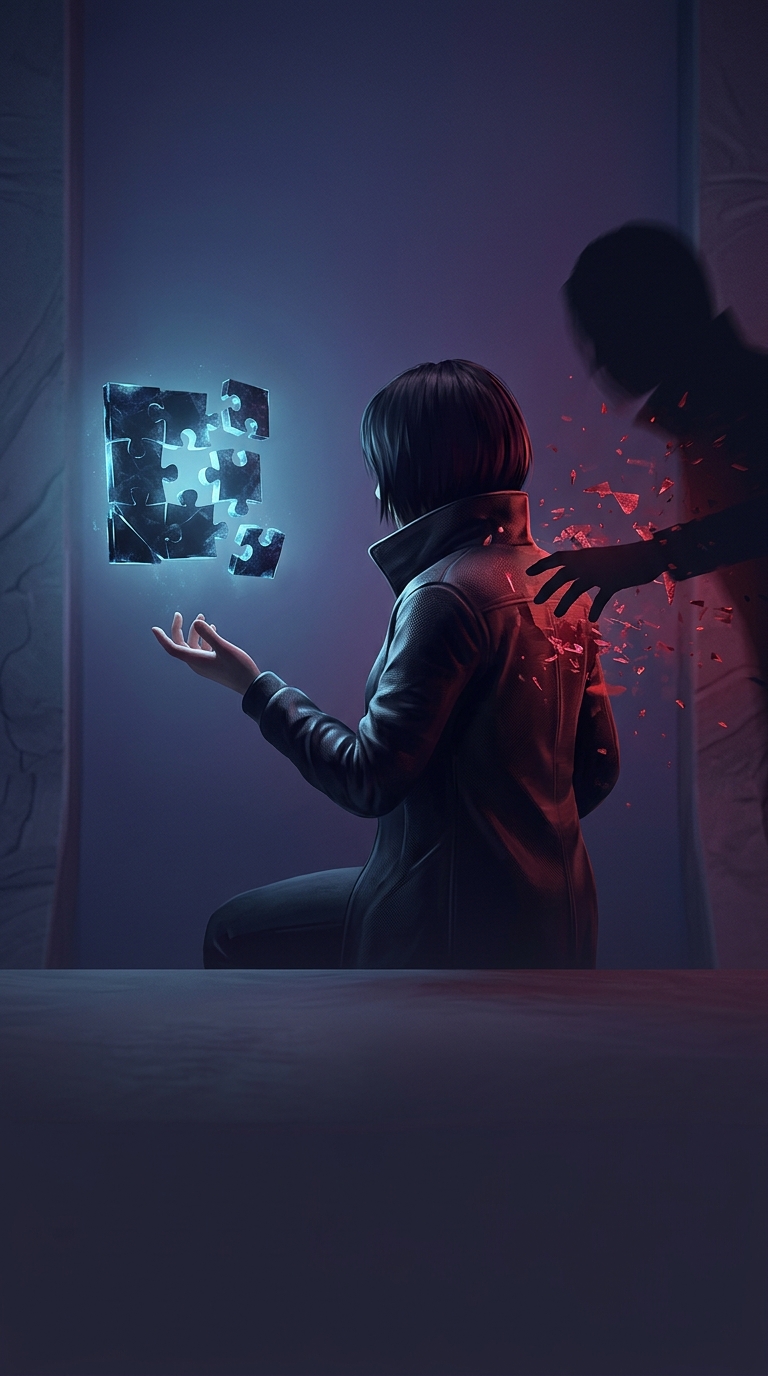
Why an unfinished puzzle keeps tugging at your attention
When a puzzle is interrupted, your mind may keep returning to the part that is still unresolved. You have a goal—fit the pieces into a coherent picture—but have not yet reached the satisfying moment when the picture clicks into place. That unfinished goal can remain mentally active even after your hands leave the table.
Psychologists often connect this kind of lingering attention to the Zeigarnik effect, the tendency for interrupted tasks to stay more prominent in memory than completed ones. The name describes a pattern, not a rule: people do not all react the same way, and the pull can depend on how engaged they were and how important the task feels.
The puzzle supplies its own reminders
A half-built image makes the open task easy to revisit. You might remember a gap, keep scanning the remaining pieces for a matching color, or mentally test where a distinctive shape could fit. The puzzle is not merely unfinished; its visible clues keep offering your attention a next step.
That is why an interruption can feel more irritating than simply choosing to stop. You did not decide that the task was complete, and the unresolved pattern is still in front of you—or in your mind. Returning to the table lets you close that loop, one piece at a time.