Why anger can grow when you act it out
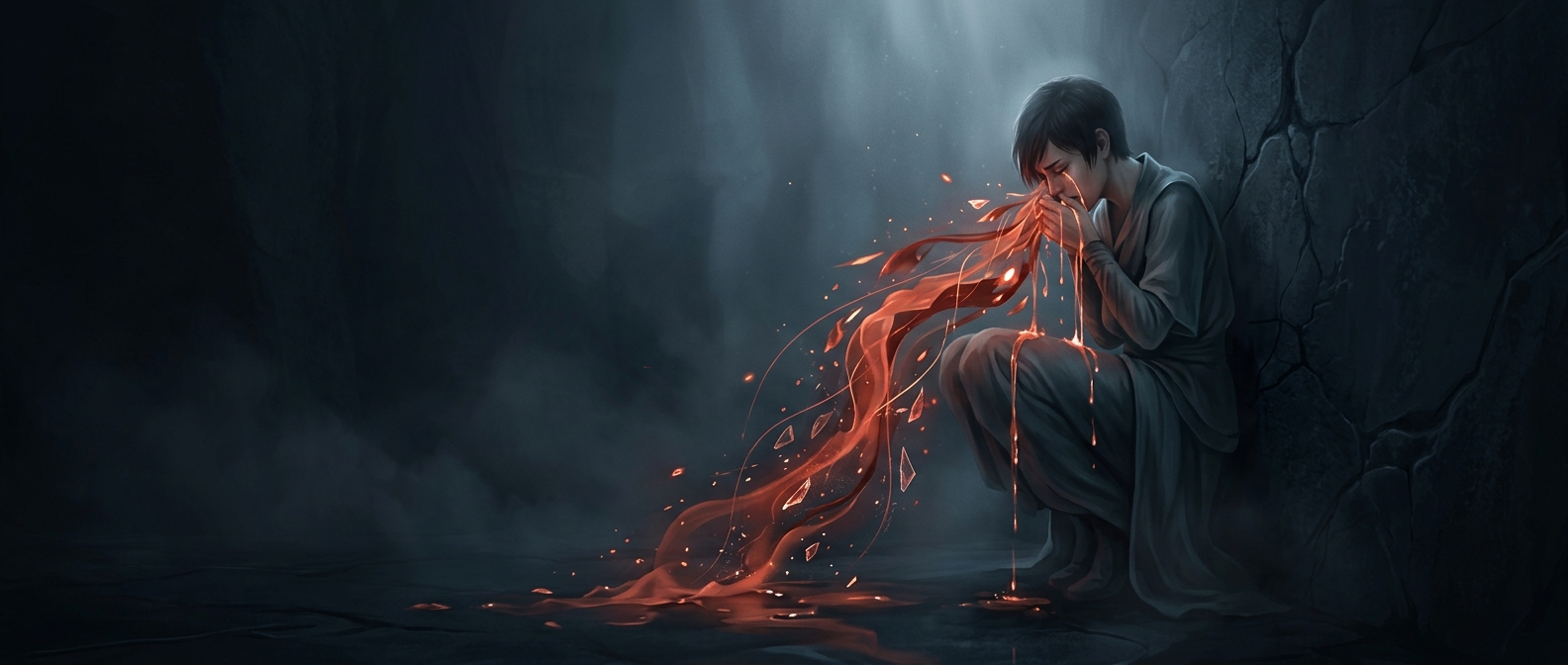
Anger is not just a thought; it is also a state of readiness. When you shout, strike something, or mentally replay an argument, you may keep attention fixed on the provocation while your body remains activated. That combination can make the grievance feel immediate again, even if the original encounter has ended.
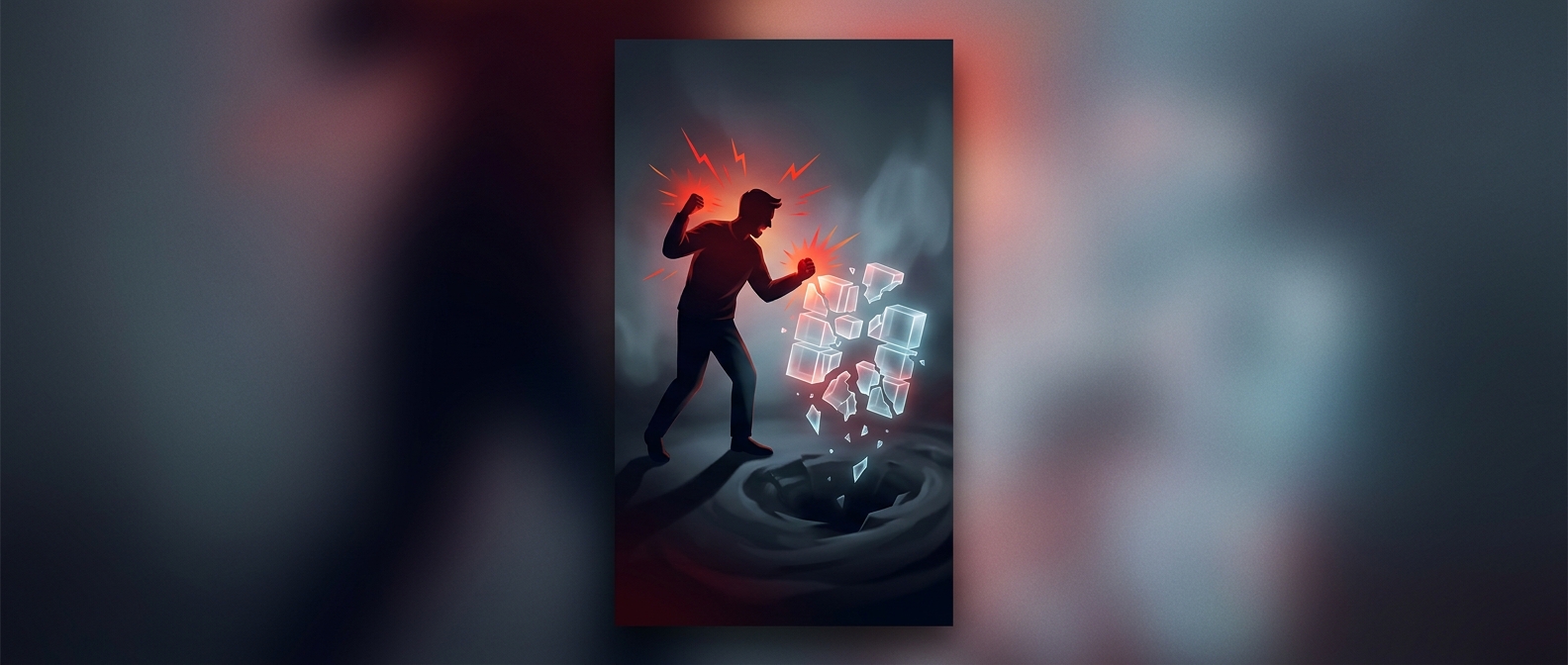
The key distinction is between expressing a feeling and reducing the processes that sustain it. A forceful outlet may feel relieving in the moment, but it does not necessarily settle the body or change the interpretation fueling the anger.
Rehearsal can make the grievance easier to retrieve
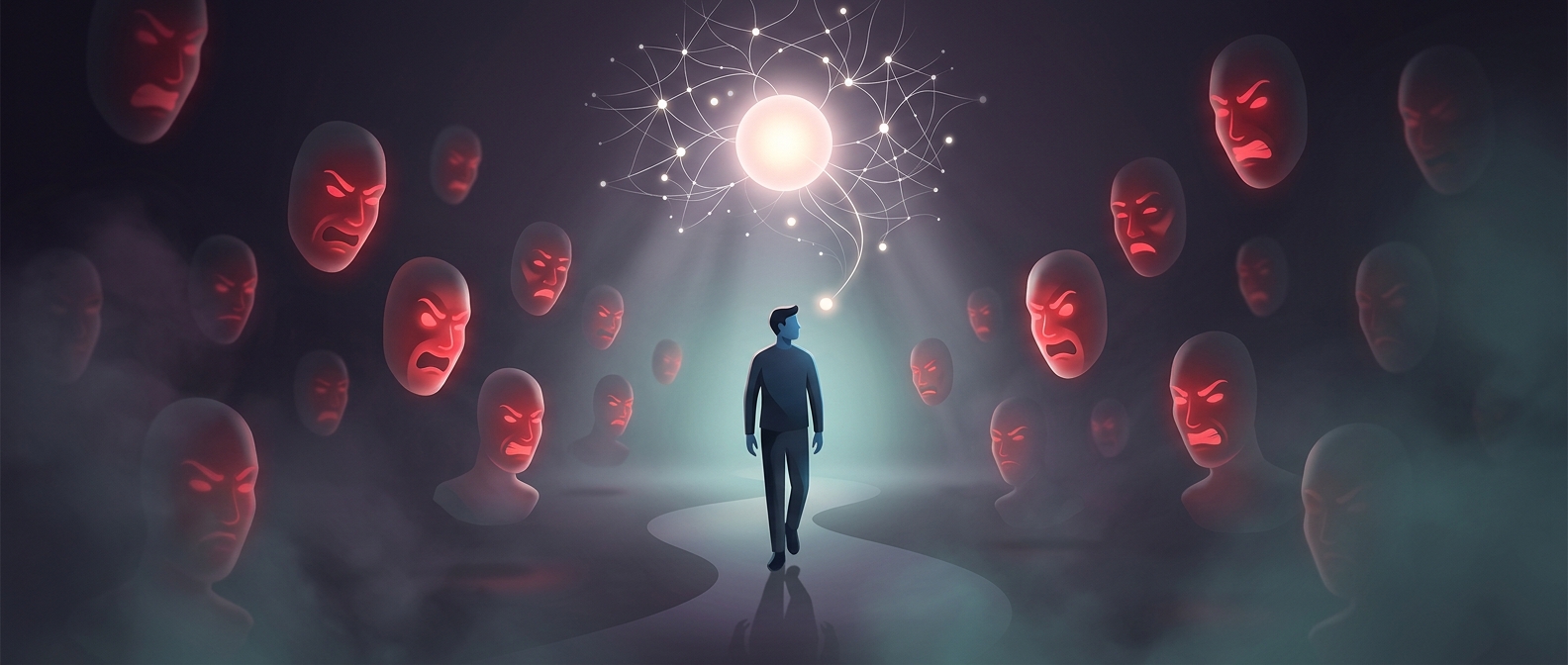
Replaying an argument often means reconstructing the same sequence: what the other person did, what it meant, and what you wish you had said. Each pass can make that version of the event more mentally available. It may also sharpen a sense of insult or unfairness, leaving less room for details that complicate the story.
That does not mean every conversation about anger makes it worse. Describing what happened to understand it, identify a boundary, or decide what to do next is different from repeatedly reliving the confrontation. The useful question is whether thinking about it is producing a clearer next step—or simply restarting the same emotional loop.
Change the task, not just the volume
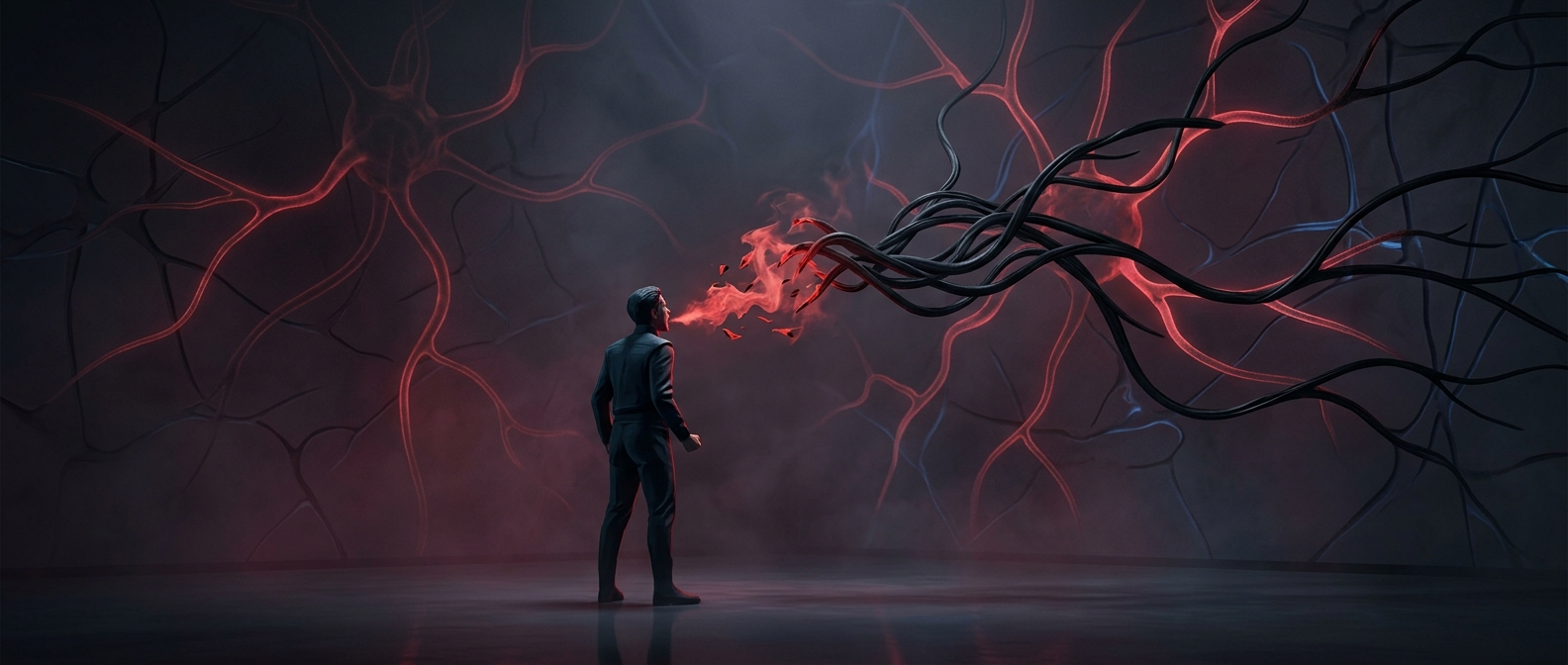
If the goal is to cool down, try interrupting the rehearsal rather than giving it a more dramatic outlet. Step away from the trigger, let your breathing and attention settle, and return to the problem when you can consider what you want to happen next. If a response is needed, planning a calm, specific conversation can turn anger into information about a boundary or unmet need.
The argument may be over, but repeated mental practice can keep it present. What matters is whether the next replay helps resolve something—or gives the confrontation another round.