Why anger and crying can overlap
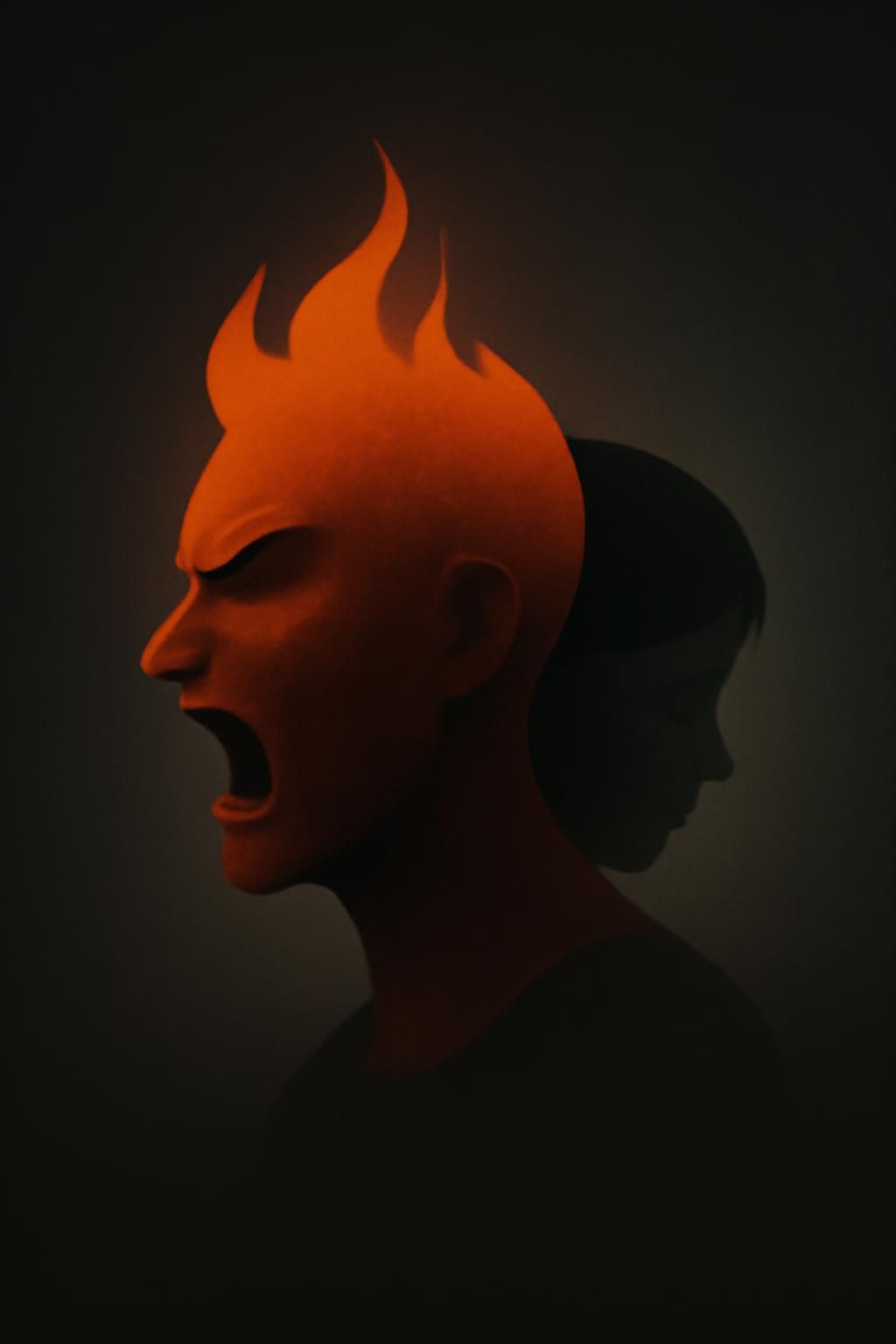
Anger is not a single, neatly contained emotion. It can bring several responses at once: the urge to confront someone, the strain of holding back words, and distress at what is happening. Crying may emerge from that mix, especially when a person feels trapped, overwhelmed, or unable to make the situation change. It does not mean the anger has disappeared; it can accompany it.
One body, overlapping signals
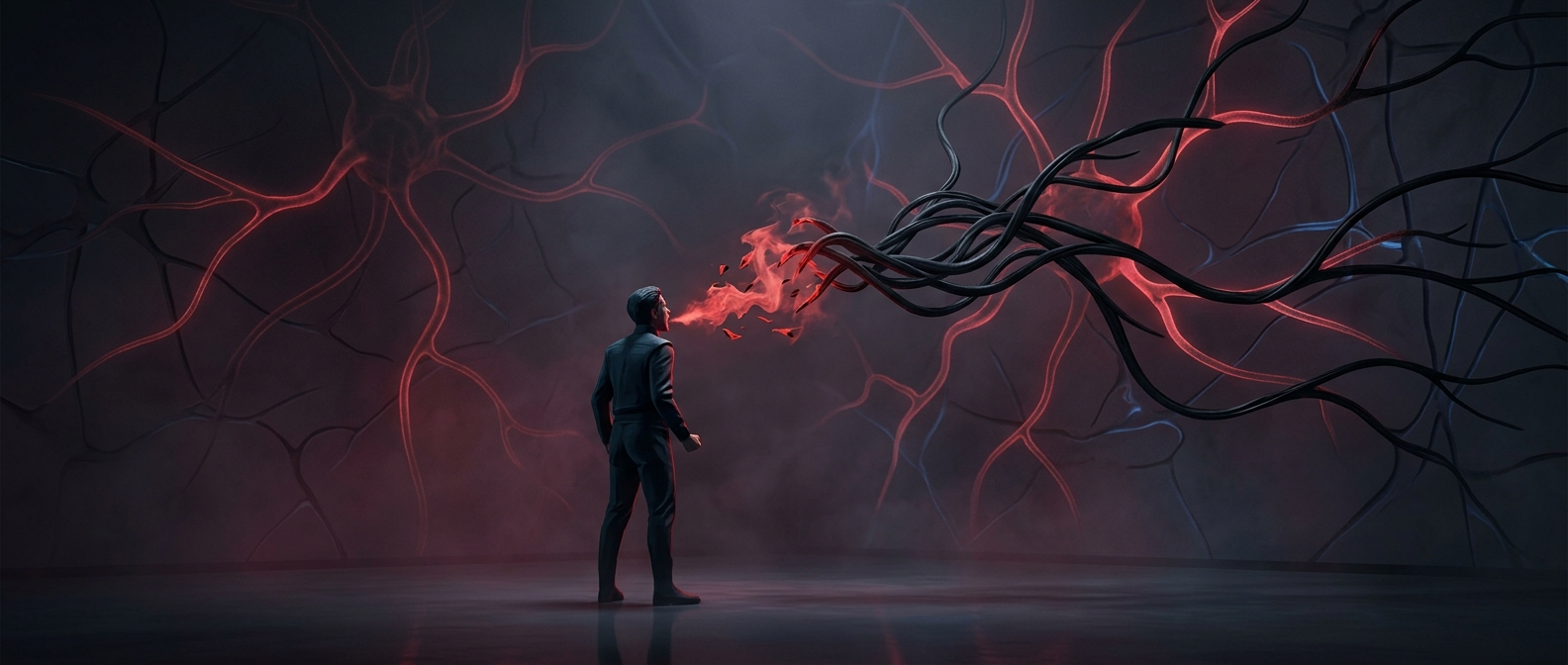
Emotions are coordinated by brain systems that influence attention, facial movement, breathing, and the autonomic nervous system—the network that adjusts many bodily functions without conscious direction. Those responses do not switch on in tidy, separate packages. A person can feel ready to act while also experiencing the distress that brings tears.
Tears are not simply a release of bodily pressure, nor do they reveal one exact emotion. The same visible response can occur in different circumstances, and people vary in how readily they cry. The moment’s meaning matters: tears during an argument might reflect anger, hurt, frustration, or several of these together.
What tears can—and cannot—tell you
Because crying is ambiguous, it is a poor shortcut for judging whether someone is still angry or whether they are trying to manipulate a conversation. The more useful clue is the situation and what the person says they are feeling. A furious person who cries may still want the problem confronted; the tears are not a reliable sign that the conflict is over.