How replay keeps anger active
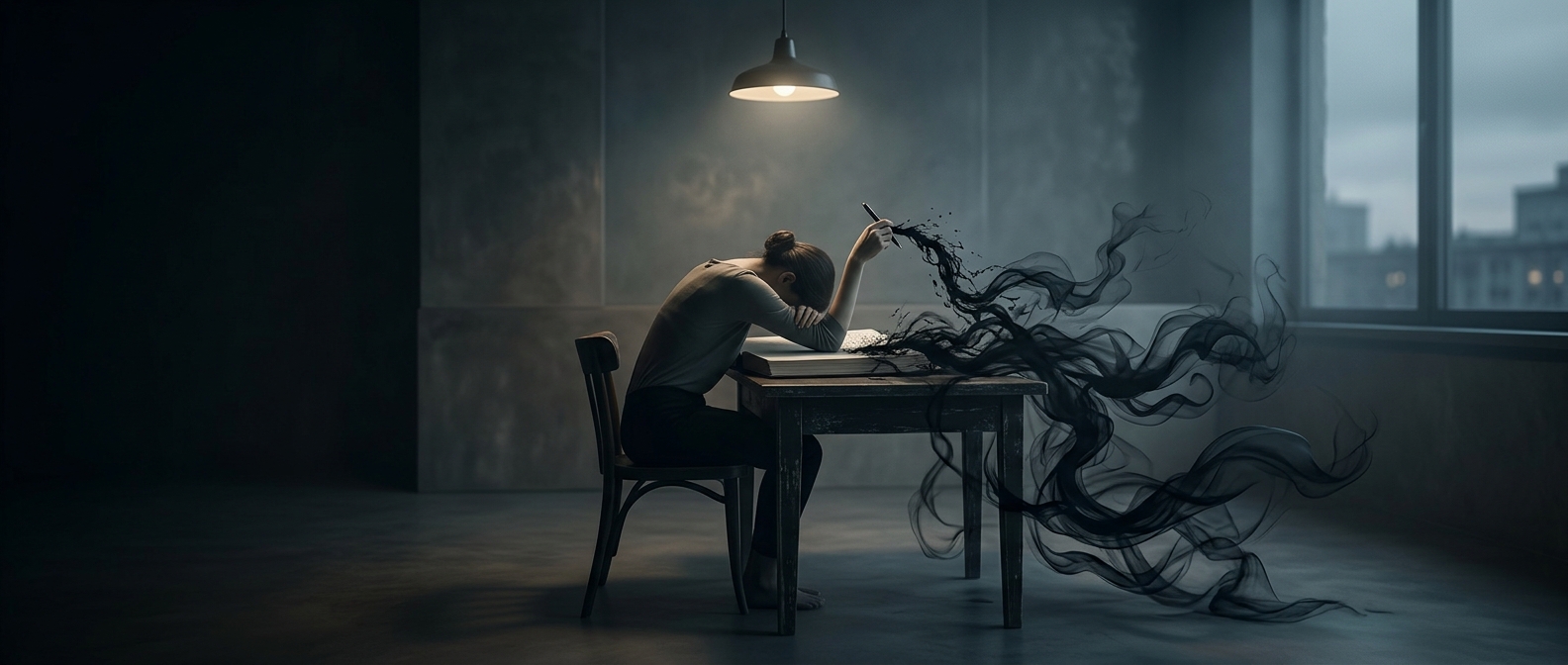
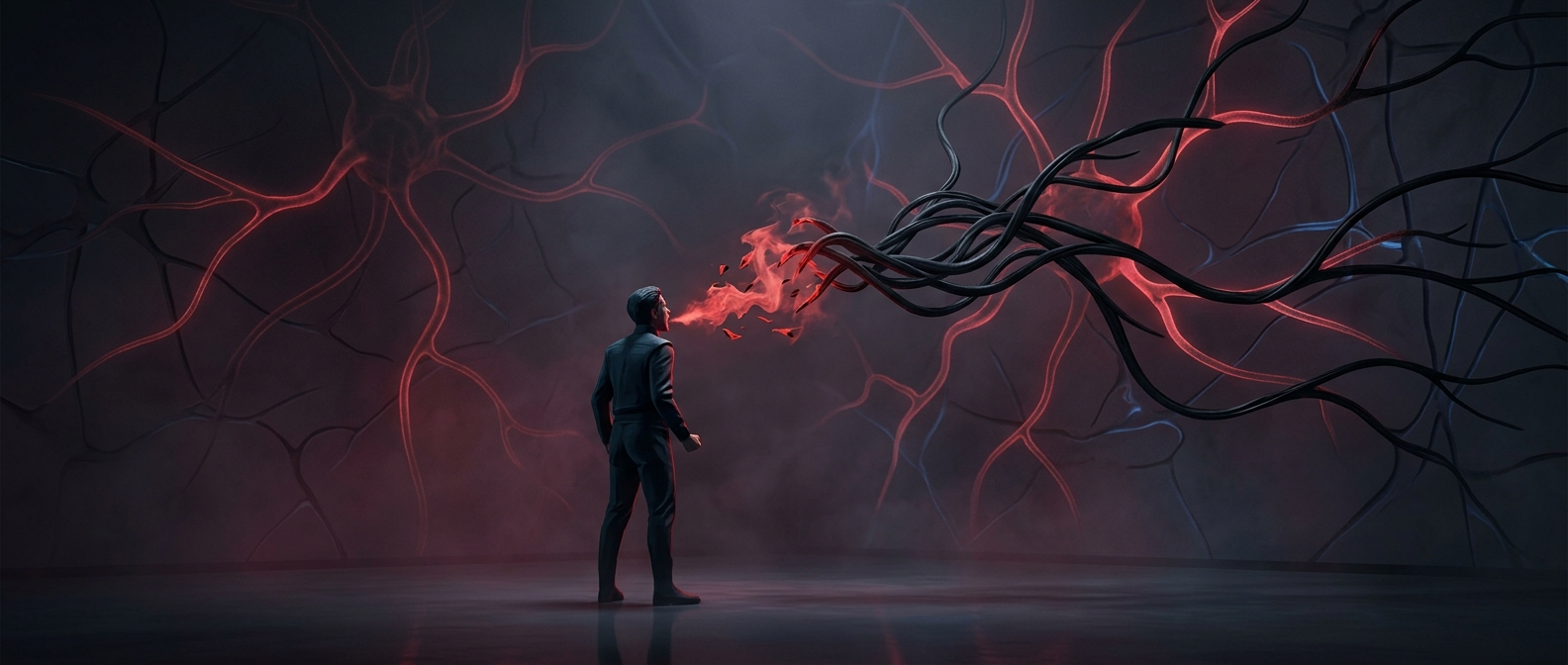
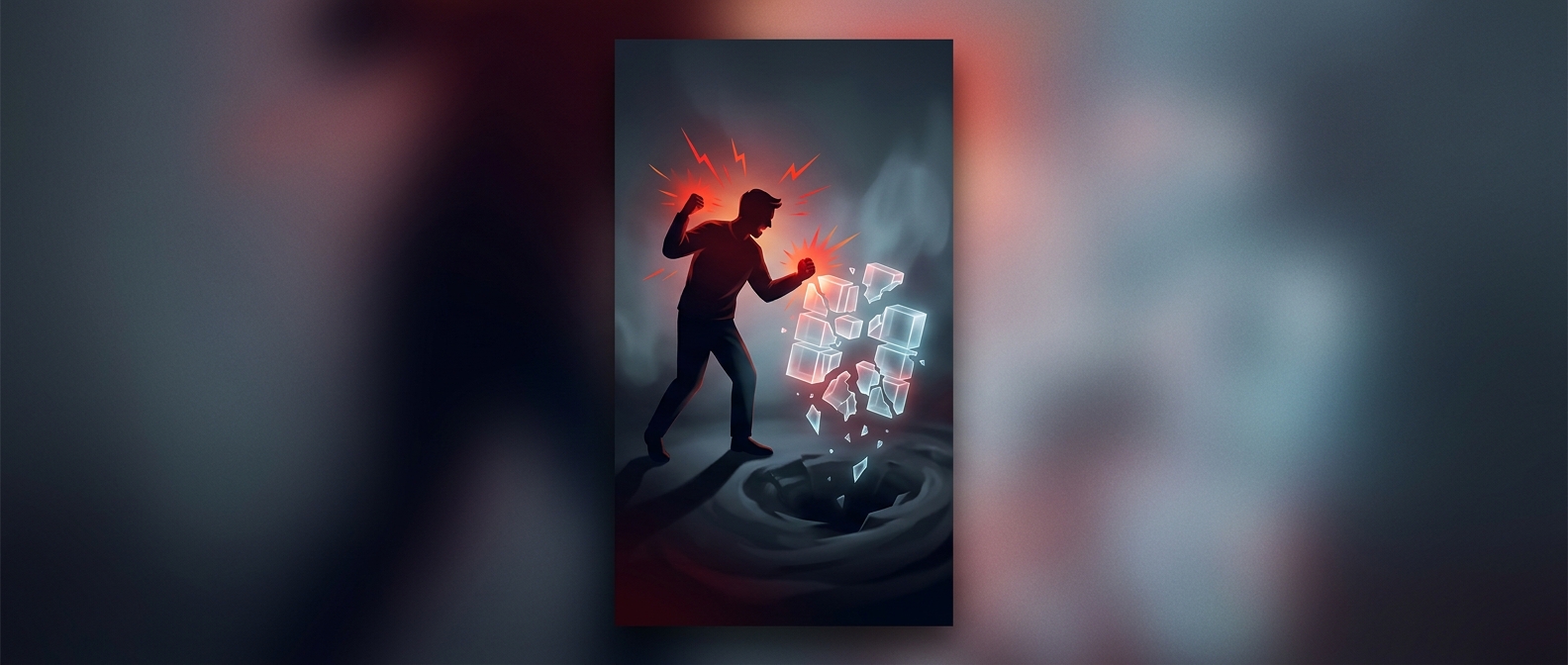
Anger is not just a feeling left over from an insult; it is also the mind’s response to what the insult seems to mean. Recalling it can bring back the judgment—“I was disrespected” or “I need to answer this”—along with vivid details of the moment. Those thoughts keep attention on the perceived offense and can sustain the body’s readiness to confront it, such as muscle tension and a quicker, more alert state.
A rehearsed comeback may feel like taking control, but it also keeps the argument mentally underway. Each retelling can add another pass through the same grievance, making the anger feel newly relevant rather than finished.
When talking helps—and when it circles
Talking about an upsetting event is not automatically harmful. A conversation can help when it brings perspective, clarifies what happened, or leads to a useful decision. The difference is whether the discussion moves somewhere or mainly repeats the provocation and intensifies the case against the other person.
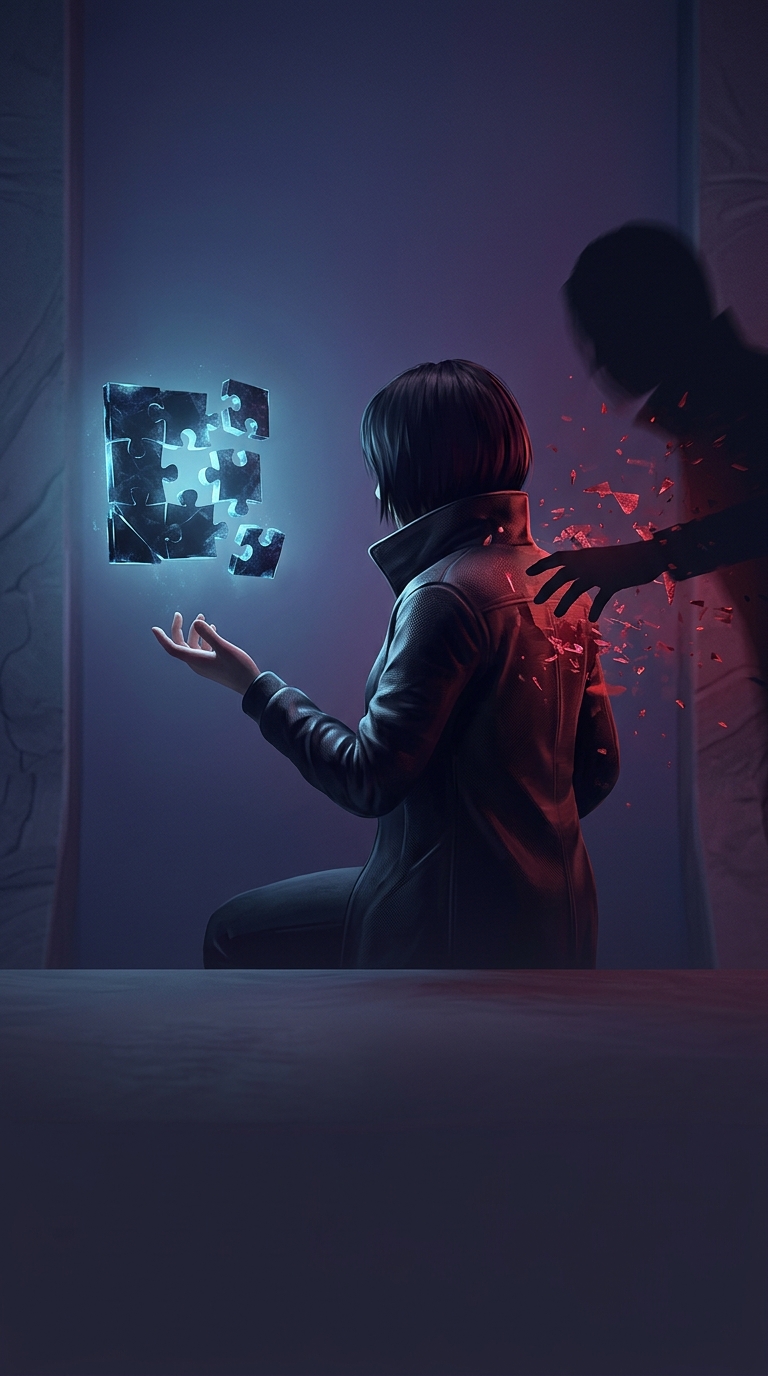
One practical shift is to tell the story briefly, then ask what is known, what is being assumed, and what—if anything—needs to happen next. If there is no useful action to take right now, deliberately turning attention to another task can interrupt the mental replay. The aim is not to deny the anger; it is to stop treating another round of rehearsal as the only way to handle it.