Why a brief delay can feel like an obstacle
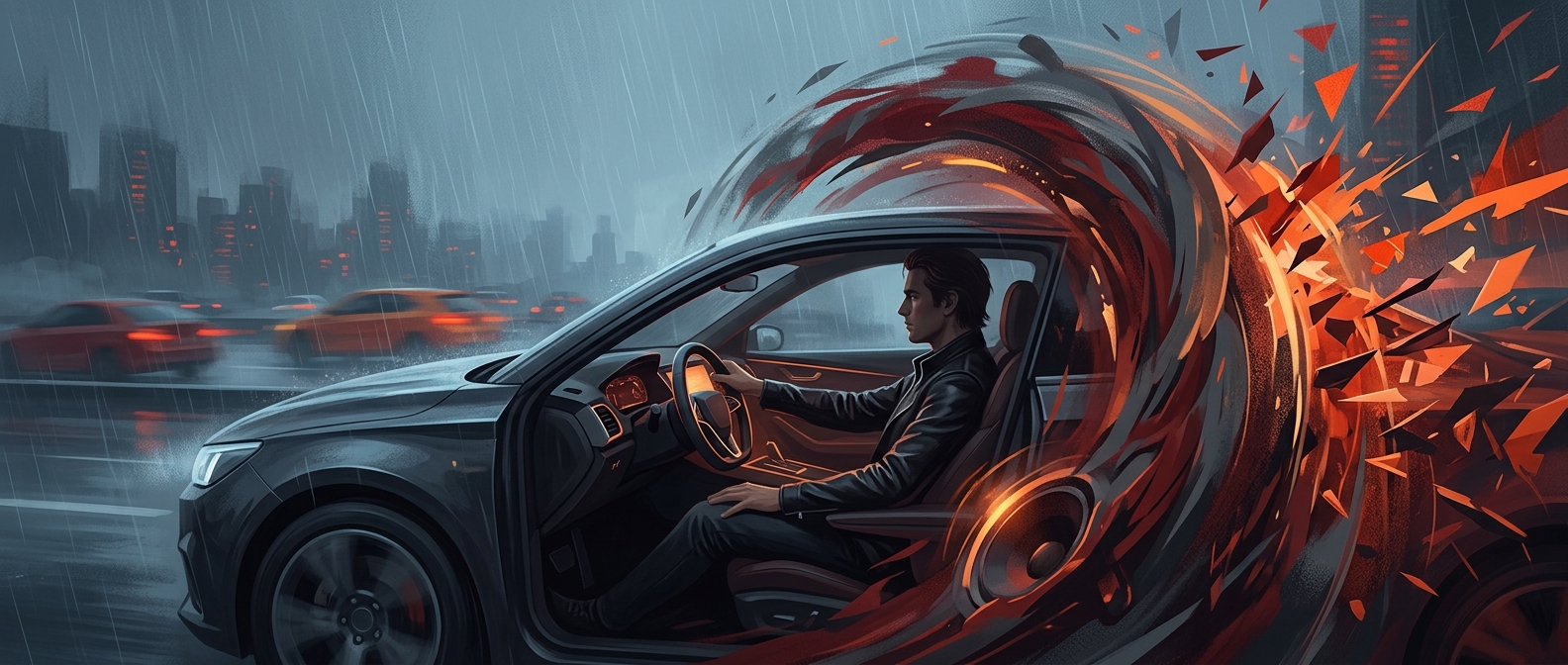
Frustration theory starts with a simple pattern: a person is trying to reach a goal, and something gets in the way. The goal need not be grand. At a traffic light, it may be as small as moving forward when the light changes. When the car ahead stays still, the expected next step is blocked, and irritation can rise quickly.
The important feature is the interruption. A red light is an expected pause; a green light signals that the pause should be over. When movement still does not happen, the mismatch between expectation and reality can make the delay feel more provocative than its actual length warrants.
How the other driver becomes the target
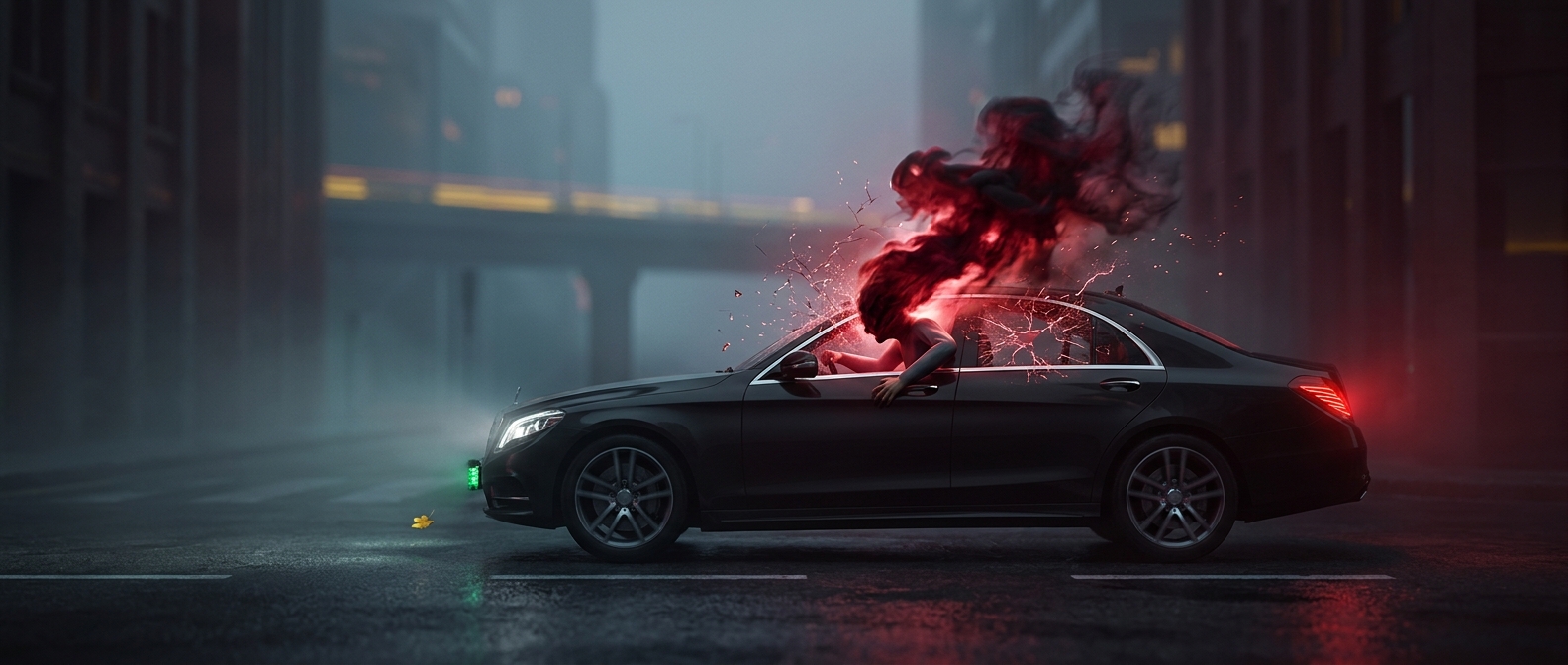
Frustration needs an apparent obstacle, and the stopped car is right in front of the driver. That makes its driver an easy focus for the feeling. The person waiting may start interpreting the pause as carelessness or disregard, even though they cannot see whether the other driver is distracted, dealing with a mechanical problem, or simply slow to notice the light.
This is not the same as knowing why the car has not moved. The goal is blocked; the reason for the blockage remains uncertain. Anger can attach to the visible obstacle before there is enough information to judge the person behind it.
Why the reaction can outlast the delay
A short wait may matter less than the sense that progress was supposed to resume and did not. Once irritation begins, attention can narrow around the obstruction: the car ahead seems to be the whole problem, while the ordinary uncertainty of driving fades from view.
That helps explain why a moment at an intersection can feel disproportionately personal. The light changes, the expected movement fails to follow, and a routine pause becomes a small conflict—often before the waiting driver knows anything about what happened in the car ahead.