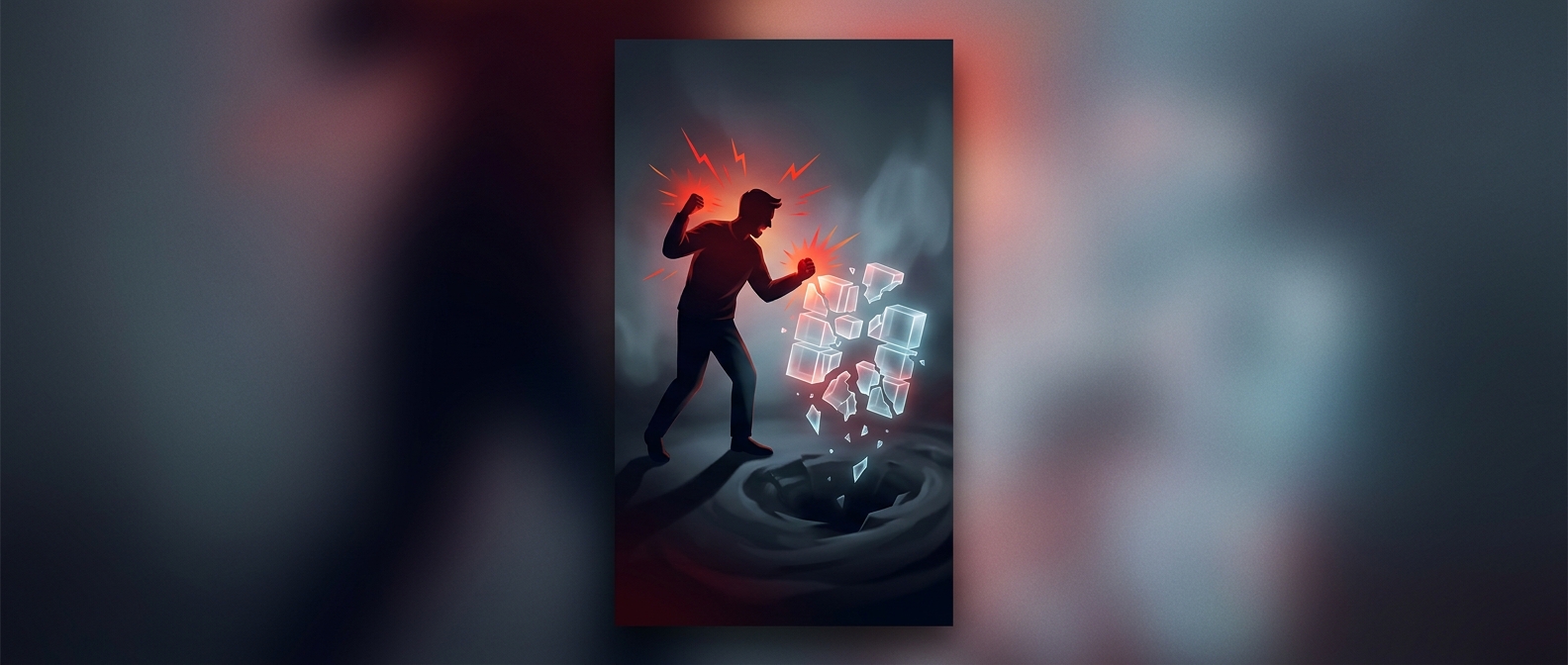
Why putting anger into words can change it
Anger often arrives as a fast, repeating argument: what the other person did, what you should have said, and what you want them to understand. Rehearsing the same points keeps attention fixed on the grievance. Writing can interrupt that loop by giving the thoughts a place outside your mind and requiring you to put them in sequence.
That shift does not make the grievance disappear. It can make it easier to see what is actually bothering you—perhaps the original action, the way it was interpreted, or what you want to happen next. Naming those parts may reduce the pressure to keep replaying them all at once.
The important difference between writing and sending
An angry draft can be a private sorting tool, not a message. On paper, you can state the harshest version of what you feel without immediately making the other person respond to it. That pause creates room to decide whether your goal is to vent, explain a boundary, ask for a change, or simply let the feeling pass.
Sending the draft is a different choice. A message written at peak anger may invite a new argument, especially if it accuses or insults rather than describing what happened and what you need. Waiting before deciding gives the first surge time to settle; when you reread the letter, you can keep the useful point and remove language that would restart the fight.
Writing is not guaranteed to calm everyone. If drafting turns into an ever-longer case against the other person, it may feed the same rumination it was meant to loosen. The useful test is whether the page helps you reach a clearer next step—or just gives the argument another place to continue.