How loud music can interrupt an angry loop
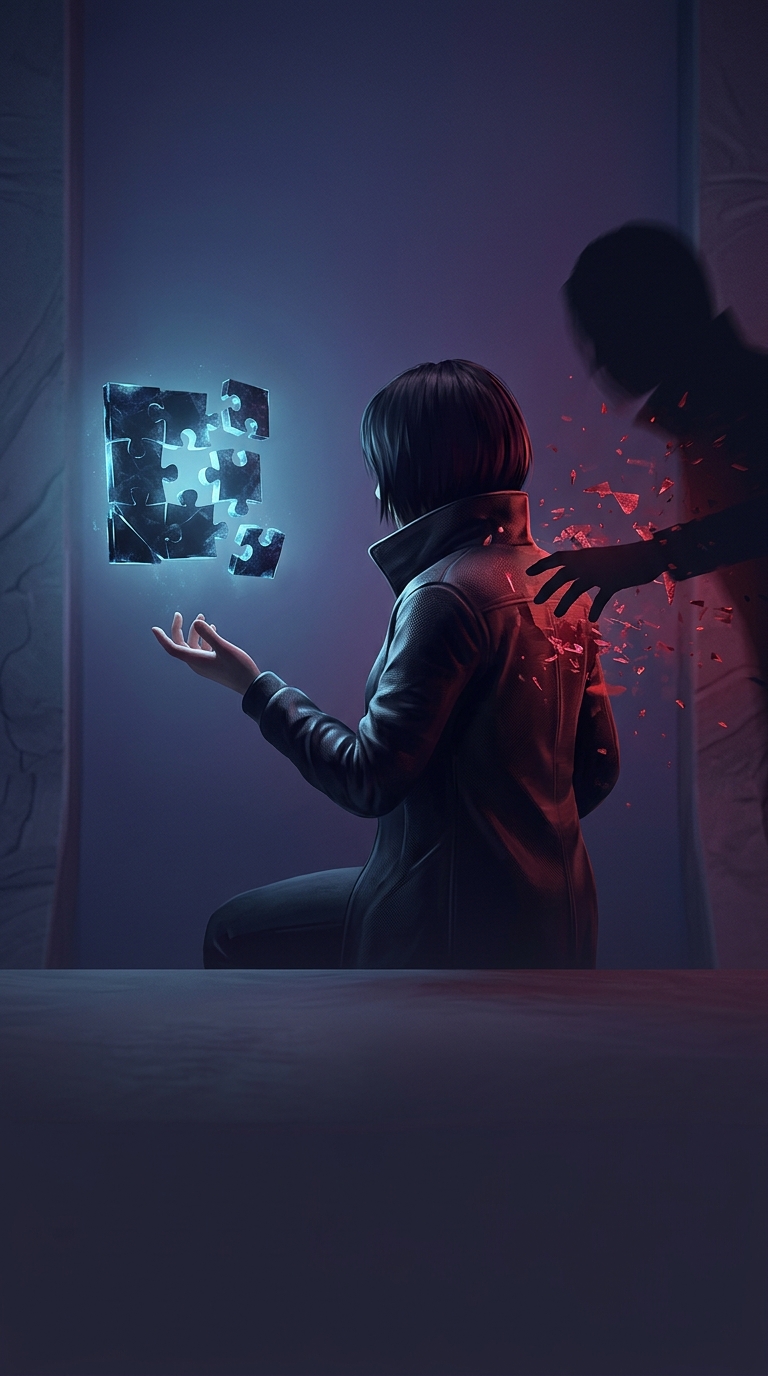
After a driver is cut off or trapped in traffic, the mind can keep replaying the slight: what the other driver did, what should have happened, what to do next. That replay—often called rumination—keeps attention fixed on the provocation and can sustain anger even after the moment has passed.
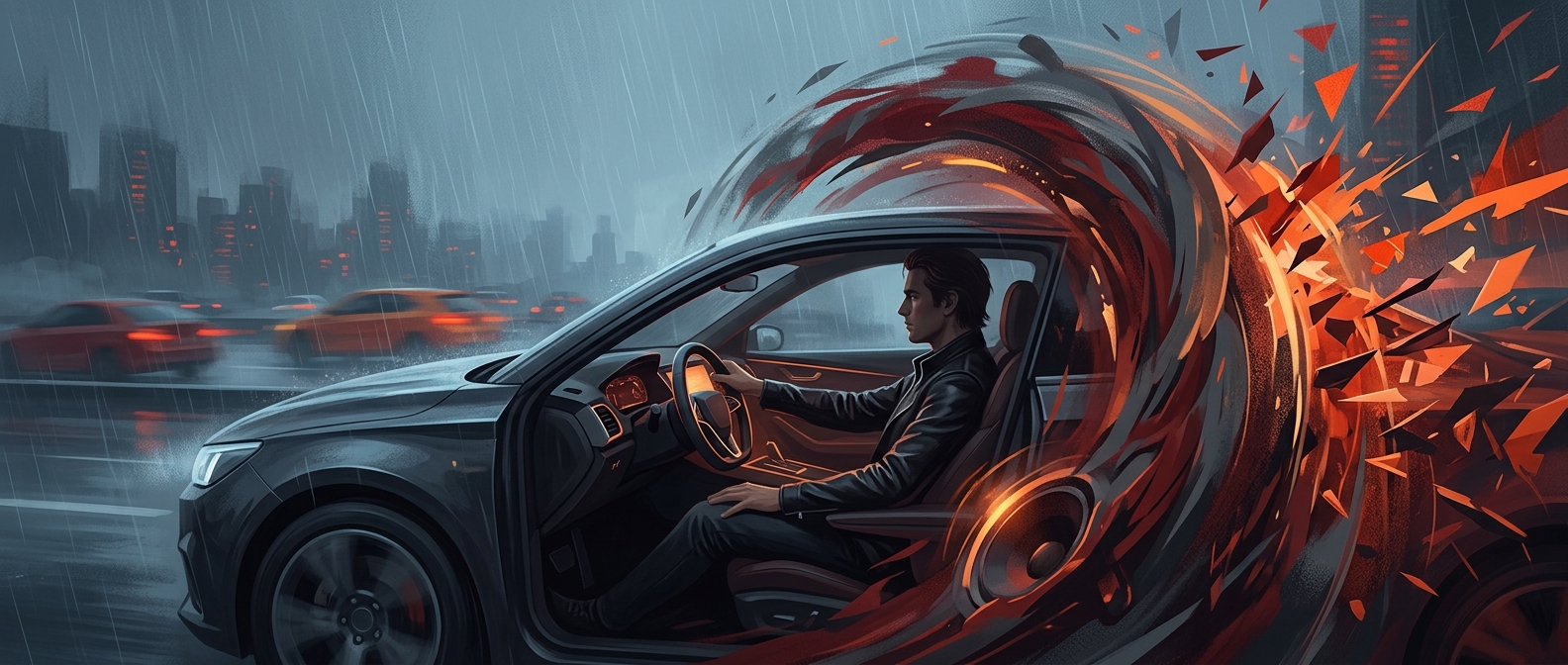
A forceful song offers a competing stream of sound to follow. Its changing rhythms, riffs, and accents give attention something structured to track. Because heavy metal’s intensity can feel emotionally compatible with anger, the listener may not have to suppress the feeling or pretend to be calm before the music feels usable.
Matching a mood is not the same as feeding it
The key is what the listener does with the music. A song can give an emotion a sense of expression and containment: the sound is intense, but it unfolds in a fixed pattern with a beginning, changes, and an ending. That can make anger feel acknowledged without requiring the driver to act it out. The music may also help a person feel some control over their immediate experience by choosing what fills the cabin.
This effect is personal, not automatic. For one driver, a pounding track may absorb attention and ease the urge to replay an insult; for another, it may intensify agitation. The useful distinction is not simply “calm music versus angry music,” but whether the soundtrack helps shift attention away from the grievance or keeps the grievance alive. A song can meet the mood without dictating what the listener does next.