Why a sharp sound grabs attention
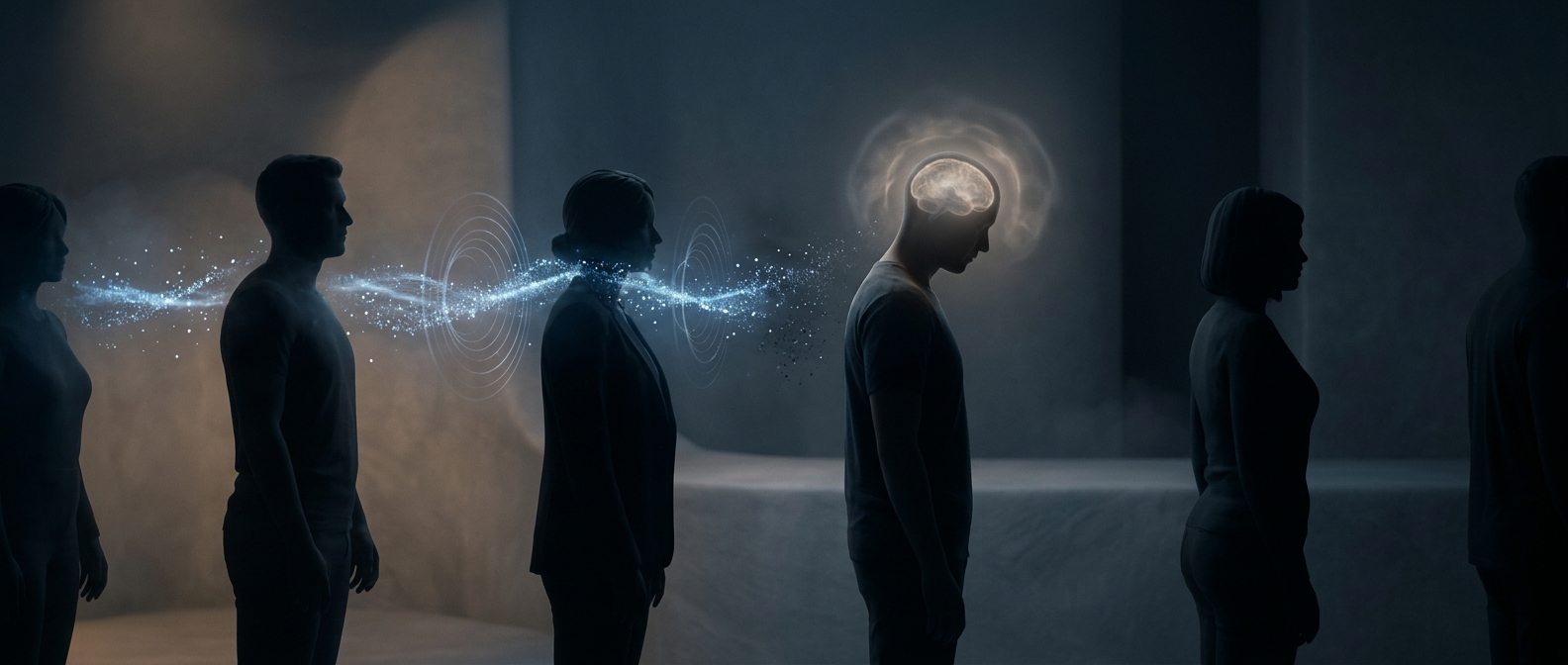
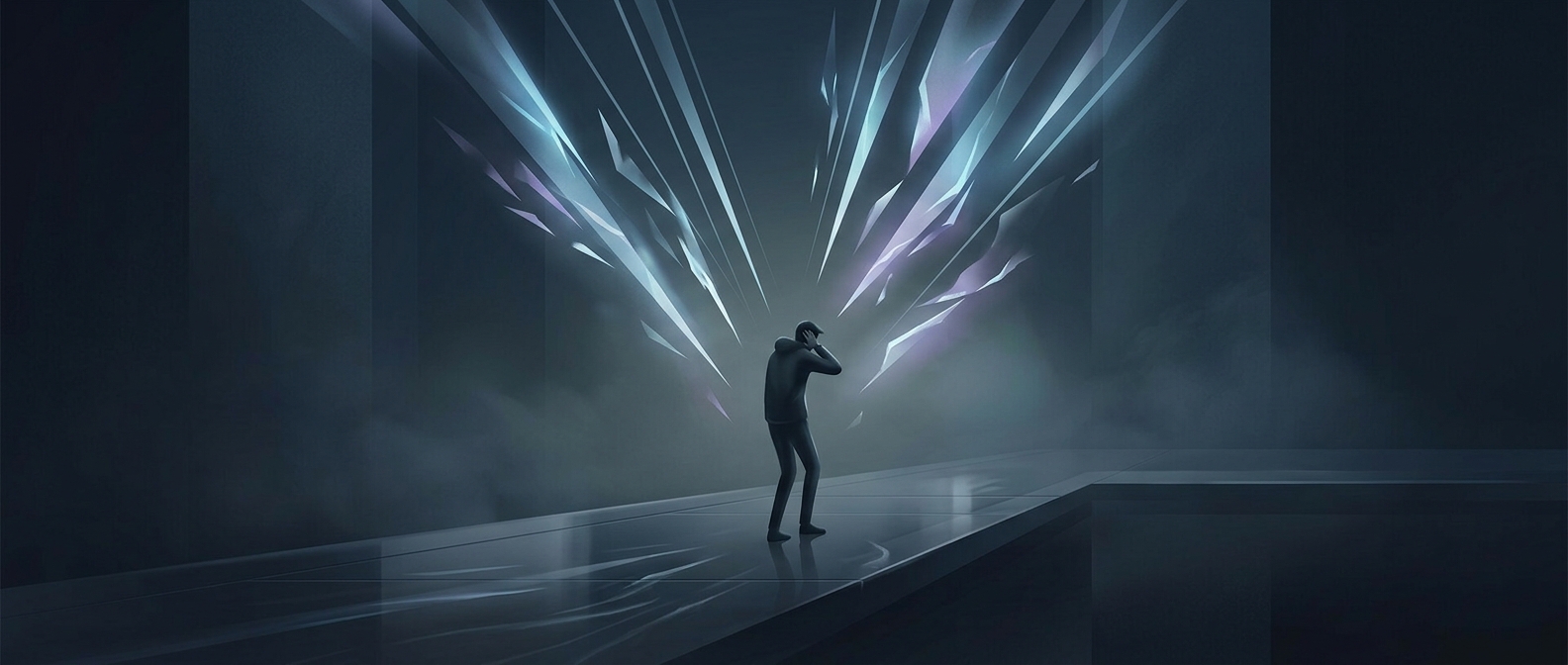
A sudden, high-pitched sound can stand out because it differs sharply from the lower, steadier noises around it. The brain is continually sorting incoming sound, and an abrupt change is a useful clue that something in the environment may need attention. A squeal or shriek can therefore jump to the front of awareness before you identify what made it.
The sound can resemble distress
Some high, rough sounds share features with human cries, such as a piercing pitch or a rapidly changing tone. Those features can make a noise feel emotionally urgent even when it comes from an ordinary object. The brain does not need to conclude that someone is in danger; resemblance alone can help steer attention toward the sound while its source remains uncertain.
That uncertainty matters. A brief alarm response—such as a startle, a tense feeling, or a quick shift in attention—can arrive before conscious interpretation catches up. Once you recognize the noise as a kettle or a squeaky hinge, the sense of threat may ease, but the initial reaction has already done its job: it made you check.
Why the reaction is so fast
Attention and conscious recognition are related but not identical. The sound can be flagged as unusual and potentially important while your mind is still working out whether it is a cry, an alarm, or a harmless mechanical squeak. The urgency is an early warning, not proof of danger. That is why the same sound can provoke an instant jolt in one moment and seem merely irritating once its source is clear.