Why Panic Can Leave an Aftershock
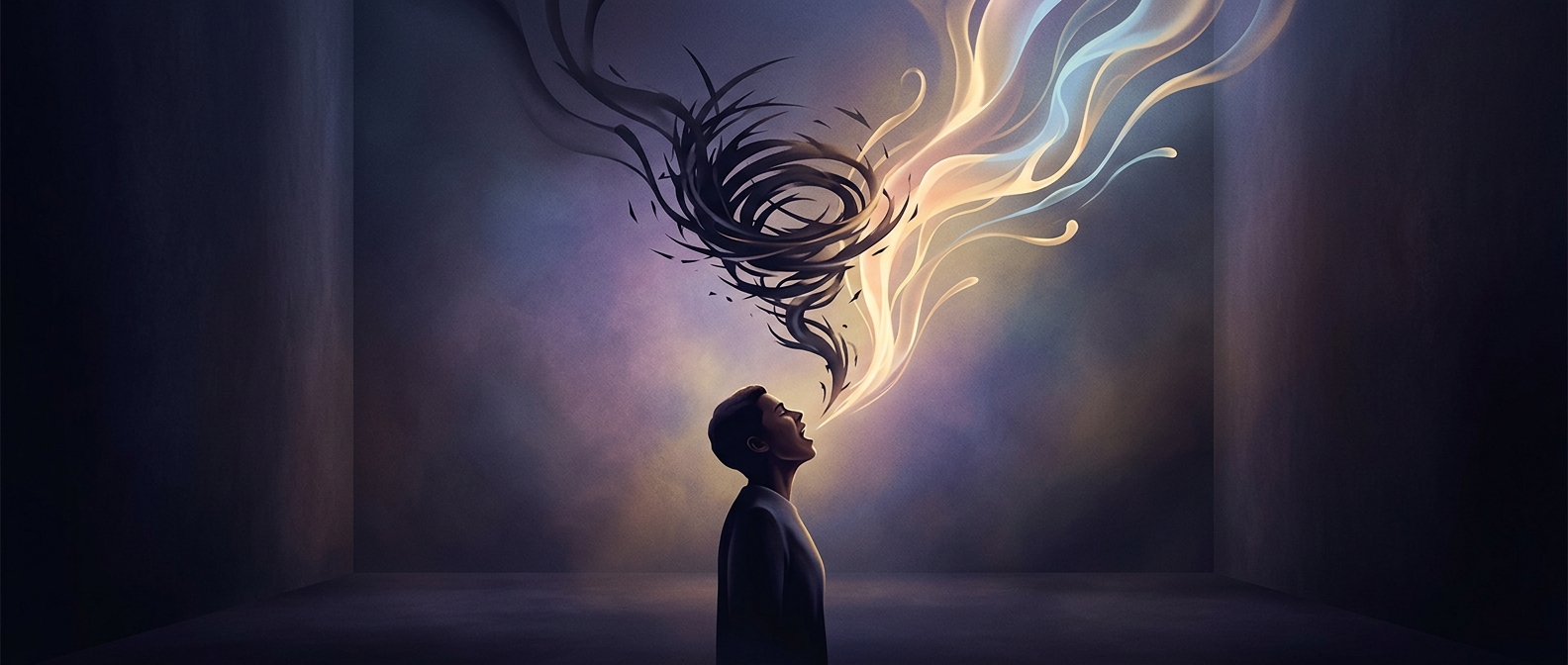
A panic attack is a burst of the body’s emergency response: the heart may pound, breathing can feel difficult, and attention narrows toward possible danger. When the episode passes, that system does not always settle immediately. Stress hormones and physical tension can take time to ease, leaving someone shaky, restless, or unusually alert.
That lingering activation can feel alarming because the sensations resemble the attack itself. A small change in breathing or another heartbeat may be read as proof that danger is returning. The body’s ordinary recovery signals then become part of the threat, even when no new emergency is occurring.
How Fear Starts Watching for Fear
After a frightening episode, people may begin monitoring themselves for early warning signs. This is understandable: noticing symptoms can seem like a way to prevent another attack. But close attention makes normal fluctuations—such as a skipped-feeling heartbeat or a moment of lightheadedness—more noticeable. Interpreting them as dangerous can increase fear, which in turn can intensify the physical sensations.
This feedback loop helps explain why the sense of doom may outlast the original panic. The mind is not necessarily detecting a hidden catastrophe; it may be reacting to a body still winding down and to memories of how frightening the episode felt. The fear of another attack can keep the alarm system on watch, even after the first alarm has ended.