Why waiting makes every minute easier to notice
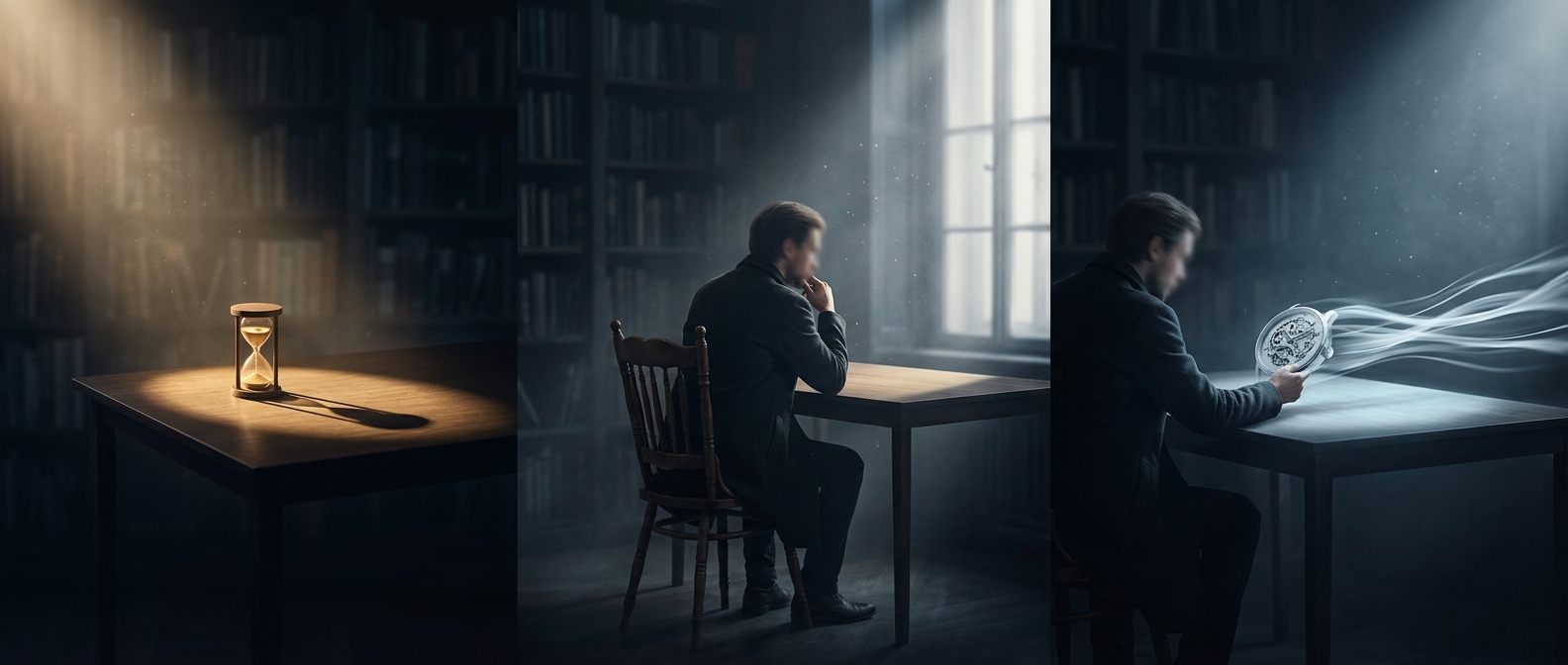
When you expect something to happen, your attention has two jobs: follow the world and keep track of how long you’ve been waiting. If nothing else is demanding your focus, the second job can take over. You notice the silence, glance at the clock, then notice how little the hands have moved. Those checks make time itself the main event.
Psychologists often distinguish this from judging duration after the fact. While an interval is still underway, attention can affect how long it seems to last: monitoring time makes each passing moment more noticeable. By contrast, a task that absorbs you gives attention somewhere else to go, so you may reach the end without registering each minute along the way.
Why checking the clock can backfire
A clock glance offers a precise answer about elapsed time, but it also prompts another comparison: how long you’ve waited versus how long you still expect to wait. If the answer feels disappointing, you may check again soon. That repeated monitoring keeps the delay in the foreground, rather than letting it recede behind another activity.
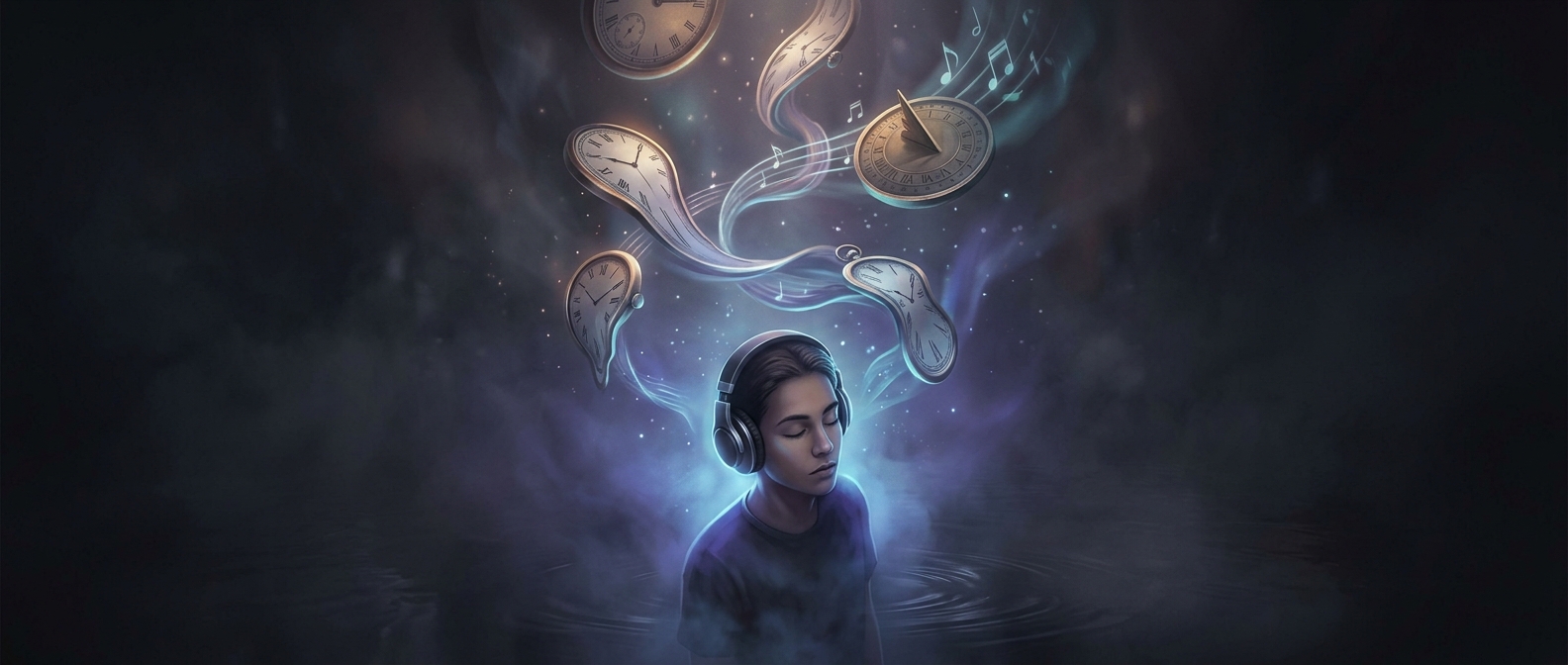
This is why a short wait can feel particularly drawn out when you have no way to occupy yourself. The minutes have not changed length; what changes is how much of your attention they receive. Give that attention a real task—reading a page, sorting a bag, or listening closely to a song—and the wait can feel less prominent, even though the clock keeps the same pace.