Why a boring hour can feel long—and disappear later
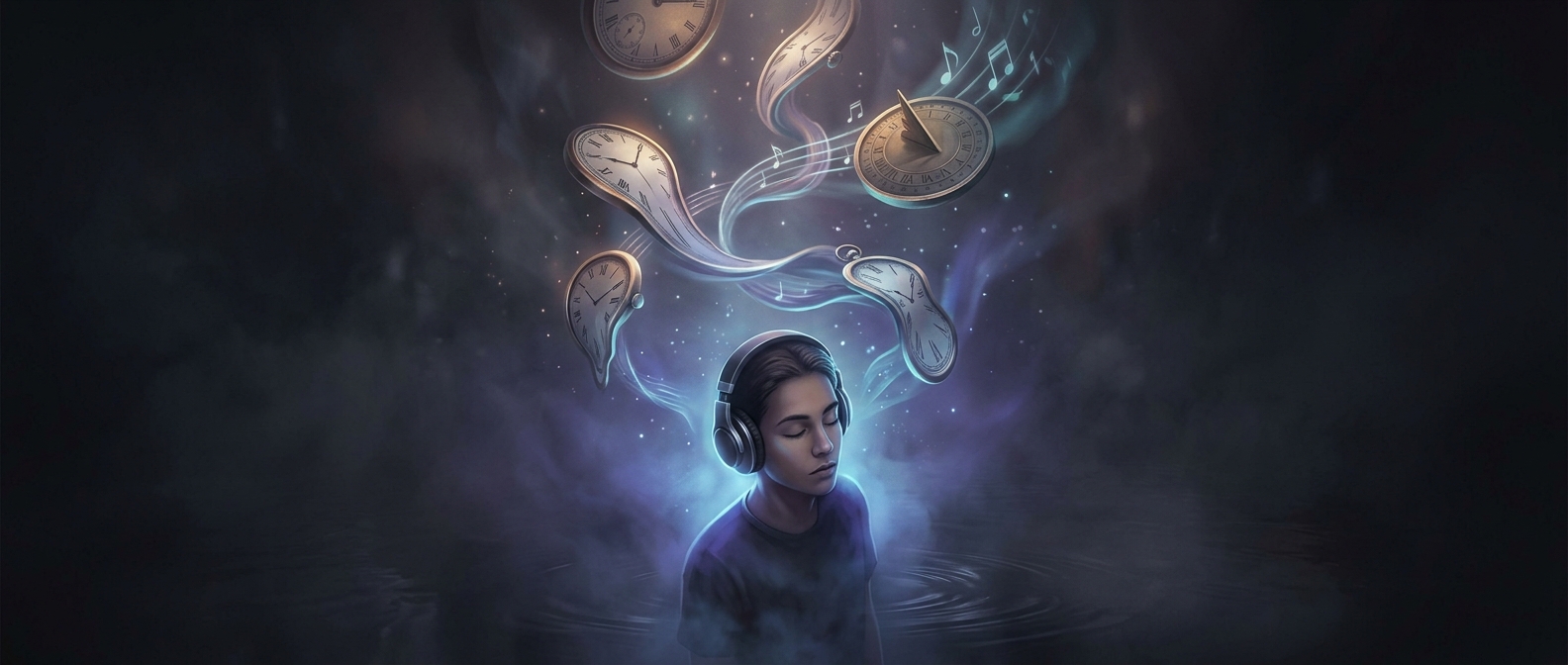
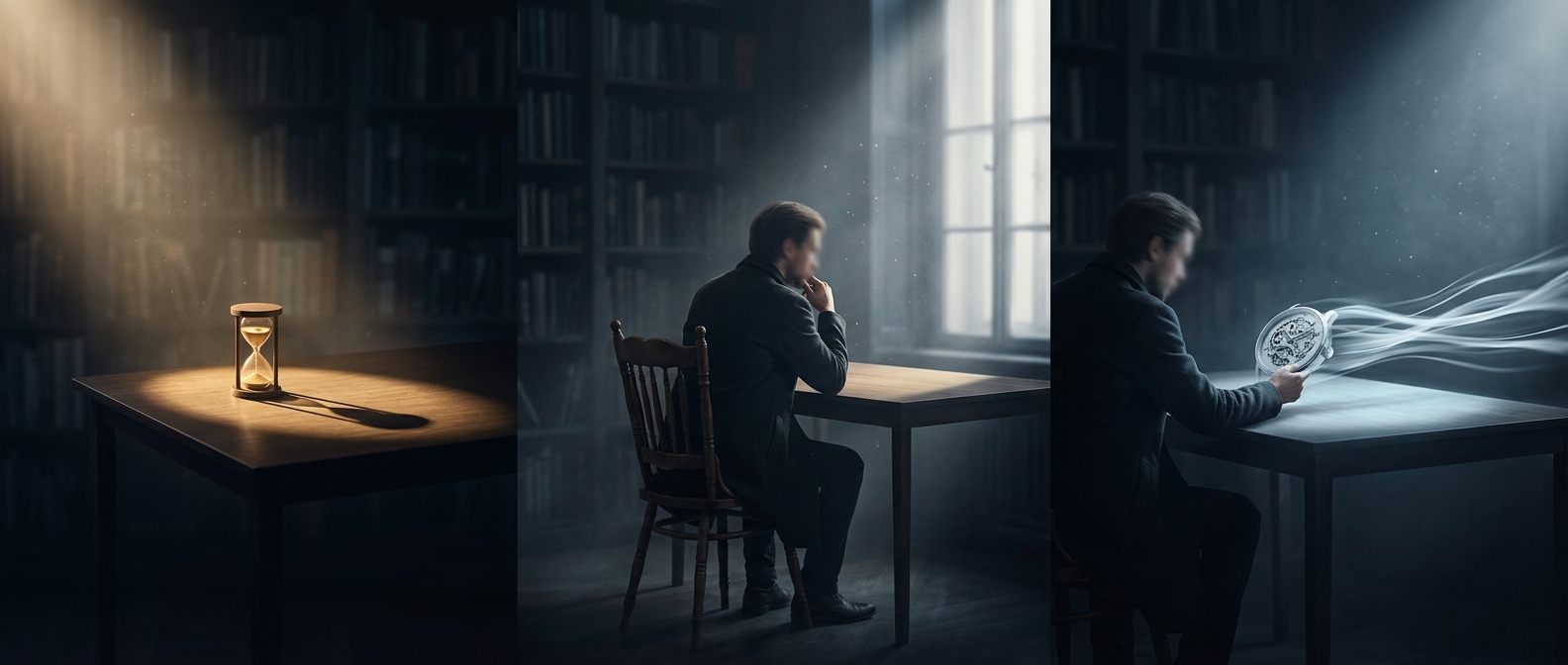
Time does not come with a built-in sensation that tells the brain exactly how many minutes have passed. When you are waiting, attention keeps returning to the passage of time: you notice the silence, check the clock, and register each stretch of waiting. That makes the interval feel drawn out while it is happening.
During an absorbing task, attention is elsewhere. You may finish an hour of work surprised by how late it is, because you spent little of that hour monitoring its passage.
Memory measures time by what happened
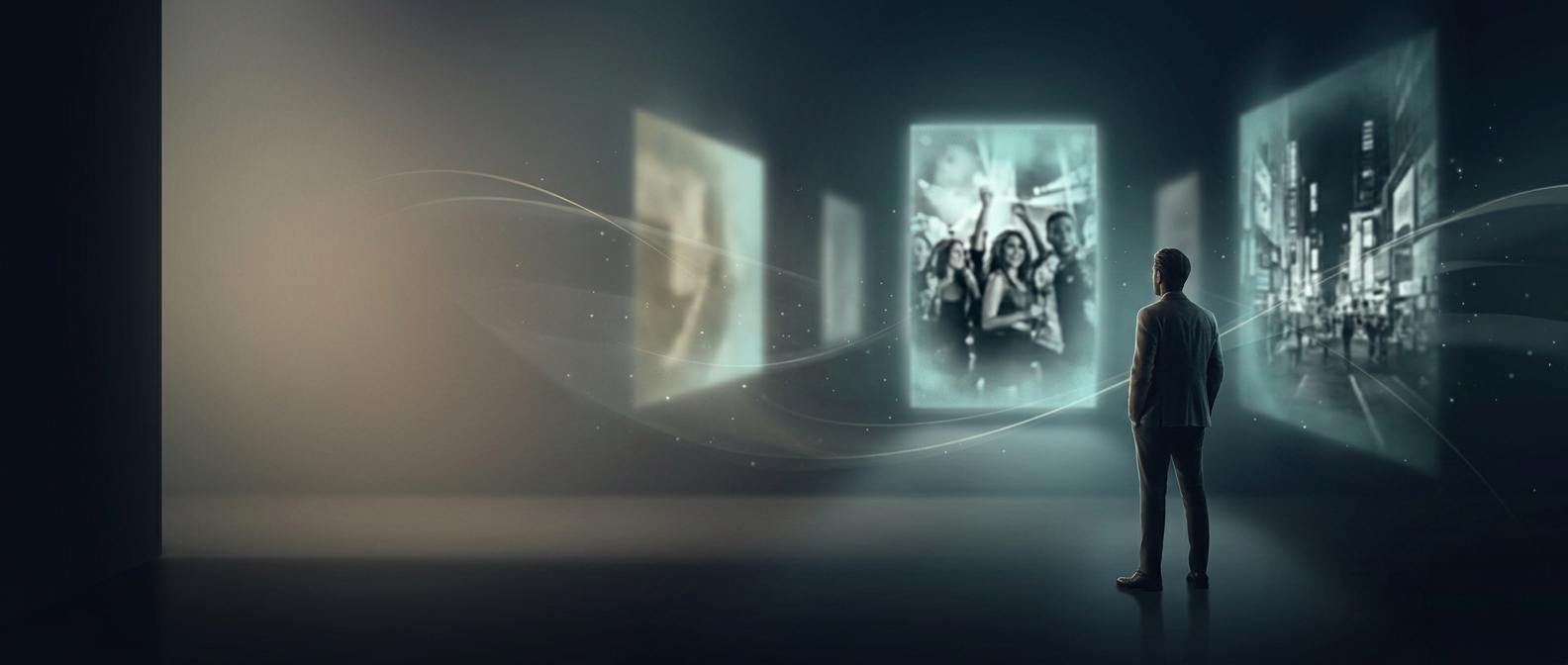
Looking back, you cannot replay every minute. Instead, your brain reconstructs the span from remembered events and changes: a meeting, a new place, a difficult conversation, or a shift in what you were doing. These experiences act as landmarks. A period with many distinct landmarks can seem substantial in retrospect, even if it felt busy or quick at the time.
A repetitive stretch offers fewer such cues. If several days follow the same routine, their memories may blur together, leaving little to distinguish one day from another. The period can then seem to have vanished when you look back—even though individual workdays may have dragged.
Two different judgments, not one faulty clock
The apparent contradiction comes from comparing two kinds of judgment. In the moment, time feels longer when attention is fixed on it. In retrospect, duration depends partly on how much memorable change the period contains. A quiet afternoon can therefore feel slow as it unfolds but short in memory; a packed trip may feel fast while happening and expansive afterward.
That is why a routine week can feel long on Friday and oddly brief by the time you try to recall it: the calendar counted every day, but memory left you few landmarks to count.