Why intentions need a cue
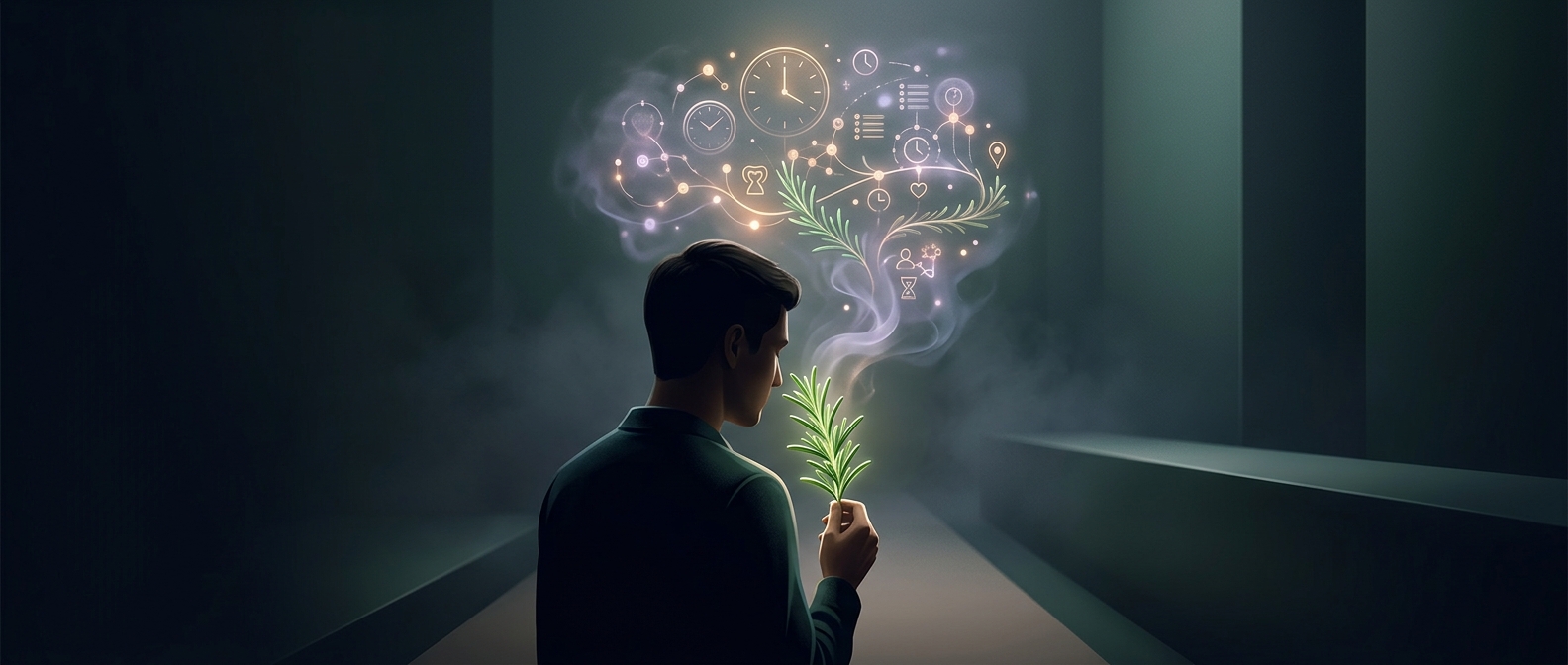
A plan can feel vivid while you are making it and still vanish from awareness later. That is because remembering to do something is not just recalling information: it requires bringing an intention back at the right moment. Psychologists call this prospective memory—remembering to carry out an action in the future.
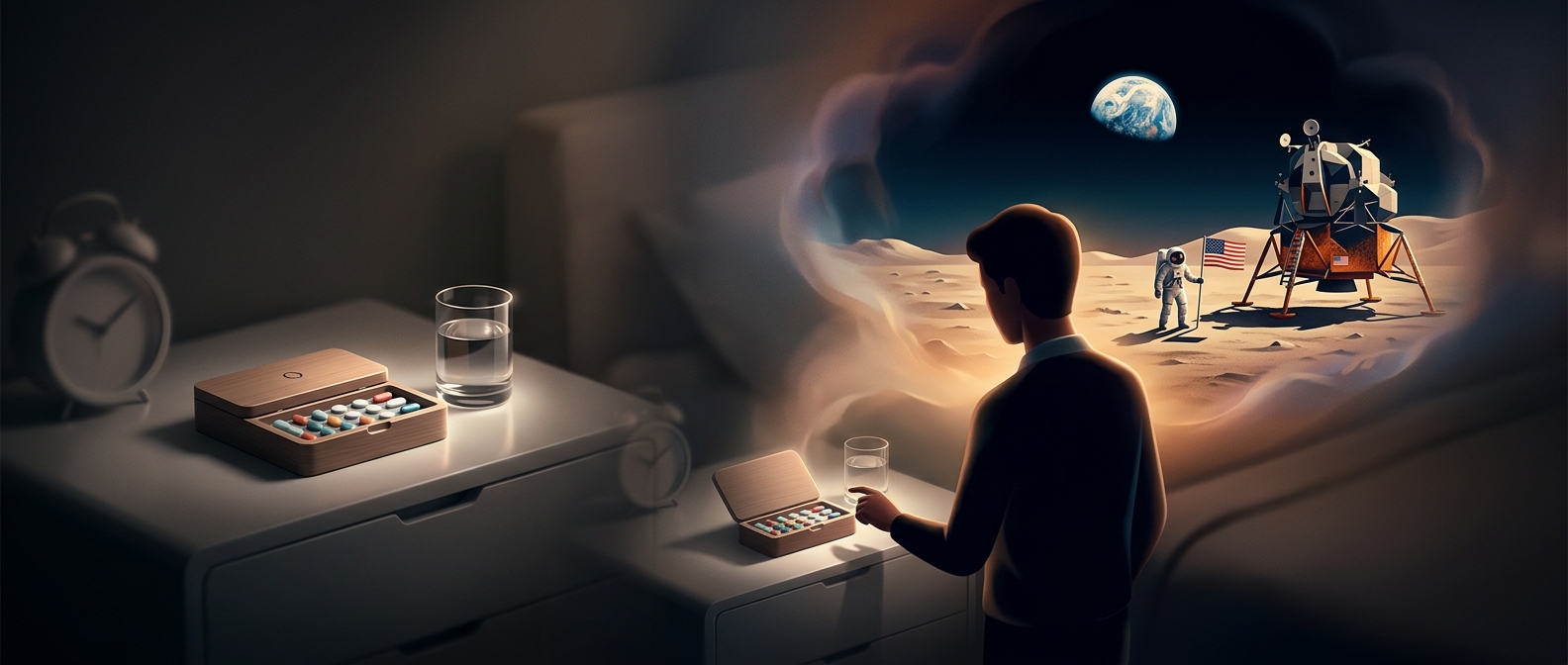
The intention may have been stored, but it is not necessarily kept in the foreground of your attention. Instead, something must reactivate it: a particular time, place, event, or reminder. Walking into the kitchen might prompt you to take a pill; seeing a calendar alert might bring back a promise to call someone.
The cue bridges the gap
Between forming a plan and acting on it, attention is usually occupied by other things. A cue helps connect the intention to the situation where it matters. Some cues are external, such as an alarm or a note by the door. Others are built into the plan itself: “When I finish lunch, I’ll send the email.” The lunch ending becomes the trigger.
This is why a plan that depends on “I’ll remember later” is fragile. The future moment may arrive without anything distinctive to call the intention to mind. A specific cue gives memory a place to look—and makes forgetting less likely when attention is busy.
Make the plan easier to retrieve
A useful reminder is concrete and tied to the action: choose a time or situation, then put a prompt where you will encounter it. The goal is not to remember the plan continuously. It is to make the right cue meet the intention at the right moment—so a task you meant to do does not stay stranded in the past.