Why watching the clock can stretch a minute
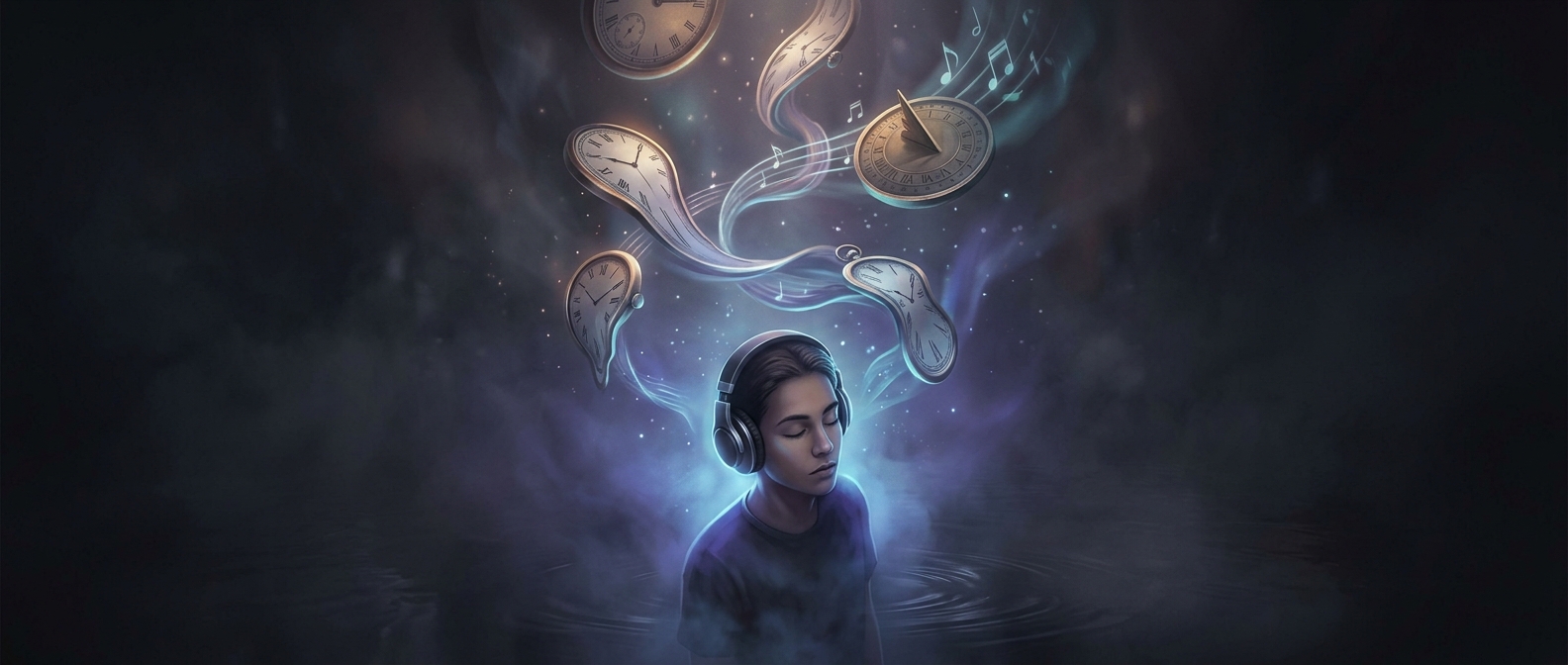
A watched minute feels longer not because the clock slows, but because attention keeps returning to the passage of time. When you ask yourself, “Has it been a minute yet?”, you are repeatedly measuring the interval instead of letting it pass in the background. Each check makes time feel newly noticeable—and often confirms that it has not passed as quickly as you hoped.
Boredom strengthens that loop. With little else to engage the mind, there are fewer competing thoughts to absorb attention, so small pauses and changes become conspicuous. The result is a minute that seems to contain more time than it really does: “77 seconds” captures the feeling, not a change in the clock.
Why the same minute can feel short afterward
Time judgments also depend on when you make them. While waiting, people tend to judge how long an interval is taking as it unfolds. Looking back, they may judge it by what happened during it. A busy stretch can feel quick in the moment because attention is occupied, yet seem substantial in memory because it contains distinct events. An uneventful wait can be the reverse: tedious as it happens, but hard to recall in detail.
That difference explains why checking the clock can backfire. It offers a momentary answer, but it also pulls attention back to the very interval you want to escape. Put a task, conversation, or other focus between you and the clock, and the minute may feel less crowded—not because it has changed, but because you have stopped counting its pieces.