Why a song can change the felt length of a minute
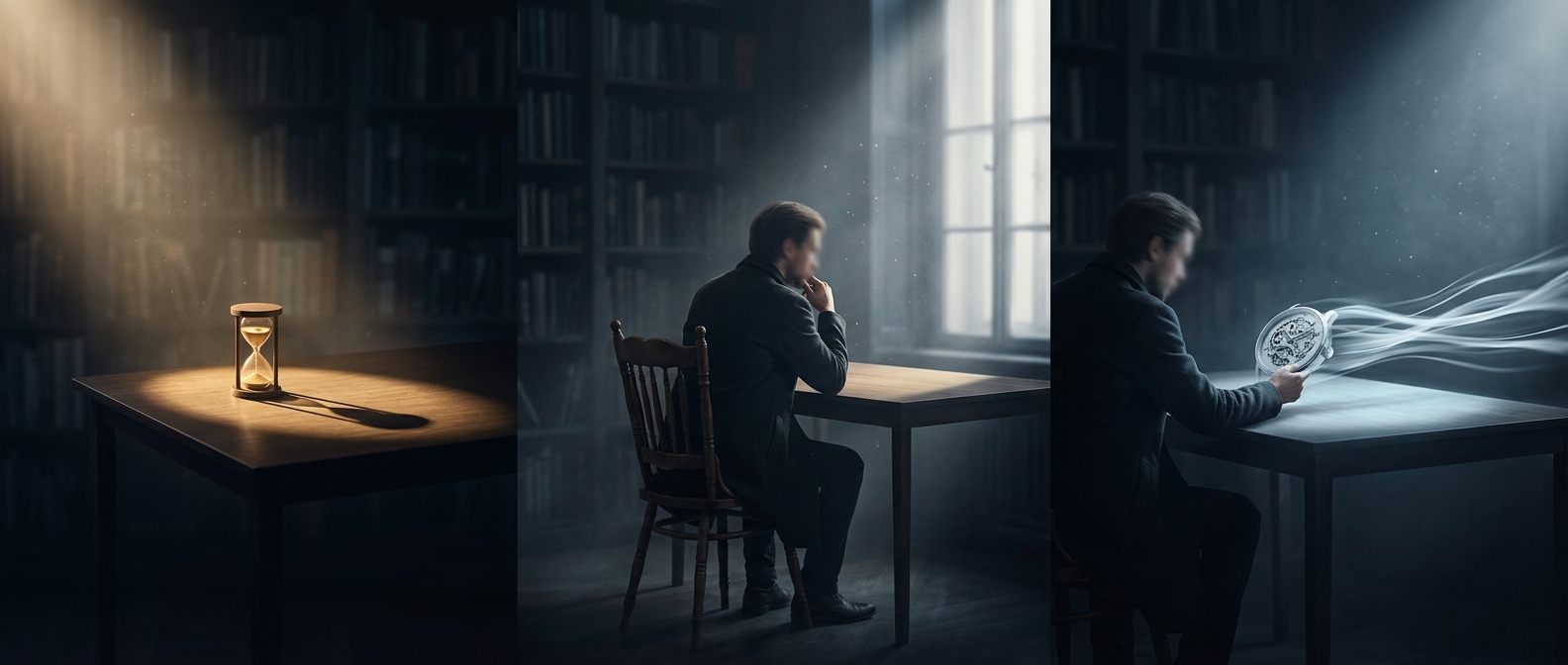
Clock time keeps the same pace, but our sense of duration is assembled from attention and memory. When a song holds your focus, less attention is available to monitor the passing seconds. You may be tracking a drum pattern, anticipating a chorus, or making sense of lyrics; the clock’s progress becomes less noticeable.
That is why an absorbing track can make a wait seem to vanish. The music has not sped time up—it has given your mind something else to do.
Repetition can make time easier to notice
A slow or highly repetitive passage may demand less active listening once its pattern is familiar. With fewer changes to follow, attention can drift back toward the wait itself: How long has this been going on? That renewed monitoring can make the same interval feel extended.
The contrast is not simply “fast music makes time fly” and “slow music makes it drag.” A slow song with suspenseful changes can hold attention, while a quick, predictable track may fade into the background. What matters is how much the music captures attention and how often it gives the mind a reason to check the passage of time.
Why the feeling can differ afterward
There is also a difference between judging time while it passes and estimating it later. In the moment, focused attention can make an interval seem shorter. Looking back, however, a stretch filled with distinct musical changes may leave more memorable landmarks, making it seem richer or longer in retrospect.
So a song can seem to make a wait disappear while it is playing, yet leave a vivid record of that wait afterward. The minutes on the clock never changed; the mind’s attention did.