Why rejection can keep hurting after it happens
A broken leg usually gives the brain a steady stream of signals from an injured area. As the tissue repairs and those signals diminish, the pain often changes too. Social pain—the distress of rejection, exclusion, or loss—has no single wound that can be checked for healing. Instead, the mind can bring the event back through memory and thought.
How replay keeps the hurt active
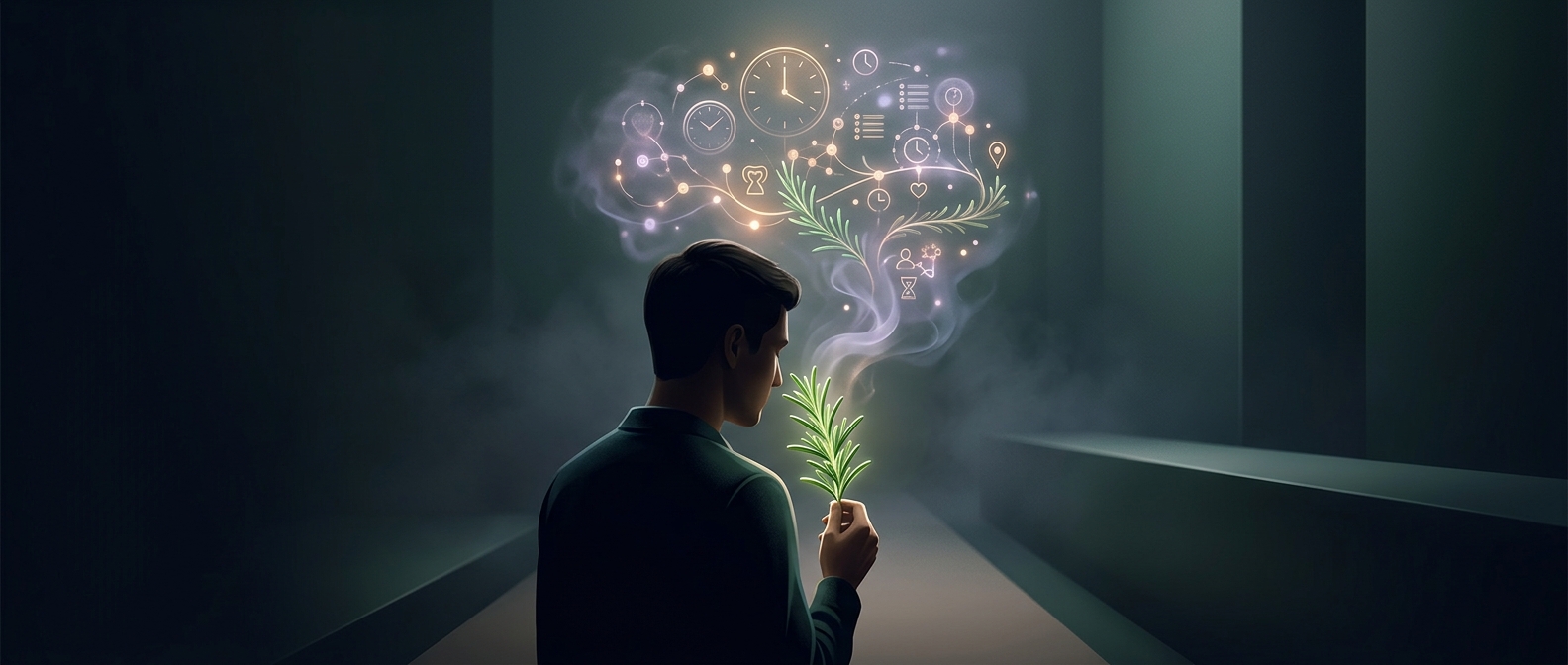
After a painful interaction, people may revisit what was said, imagine what they should have done, or wonder what the rejection means about them. This is rumination: repetitive thinking that circles a problem without necessarily resolving it. Each replay can renew the emotional response, much as recalling an upsetting moment can make it feel present again.
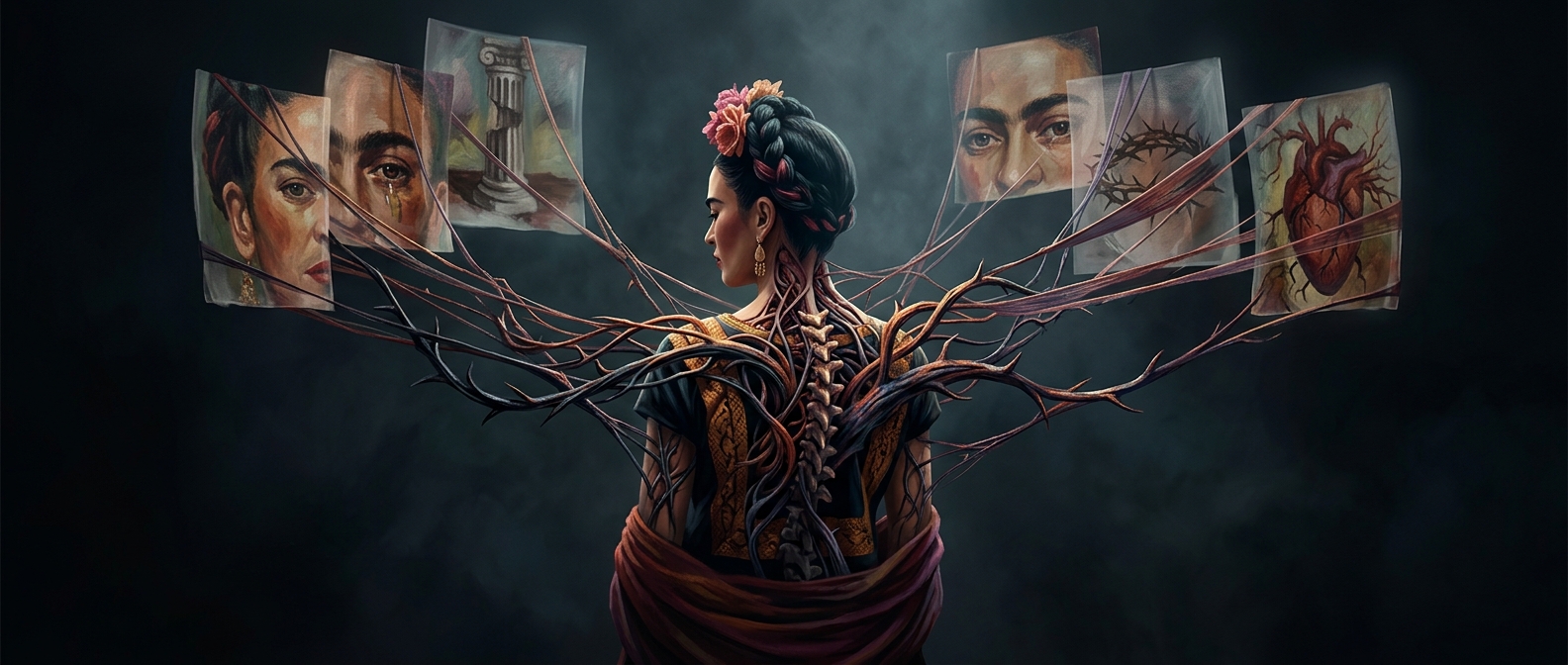
The mind is also trying to make sense of an event that may have no clear explanation. Was it a misunderstanding? A sign that a relationship has changed? A judgment about personal worth? When answers are uncertain, searching for them can keep attention fixed on the hurt. That does not mean the person is choosing to suffer; it is an effort to understand something that matters.
Why the timeline is different
Physical recovery is tied, in part, to changes in the injured body. Emotional recovery also depends on what happens afterward: whether the event is repeatedly revisited, whether its meaning becomes clearer, and whether new experiences help restore a sense of belonging or self-worth. Those processes do not follow a visible timetable.
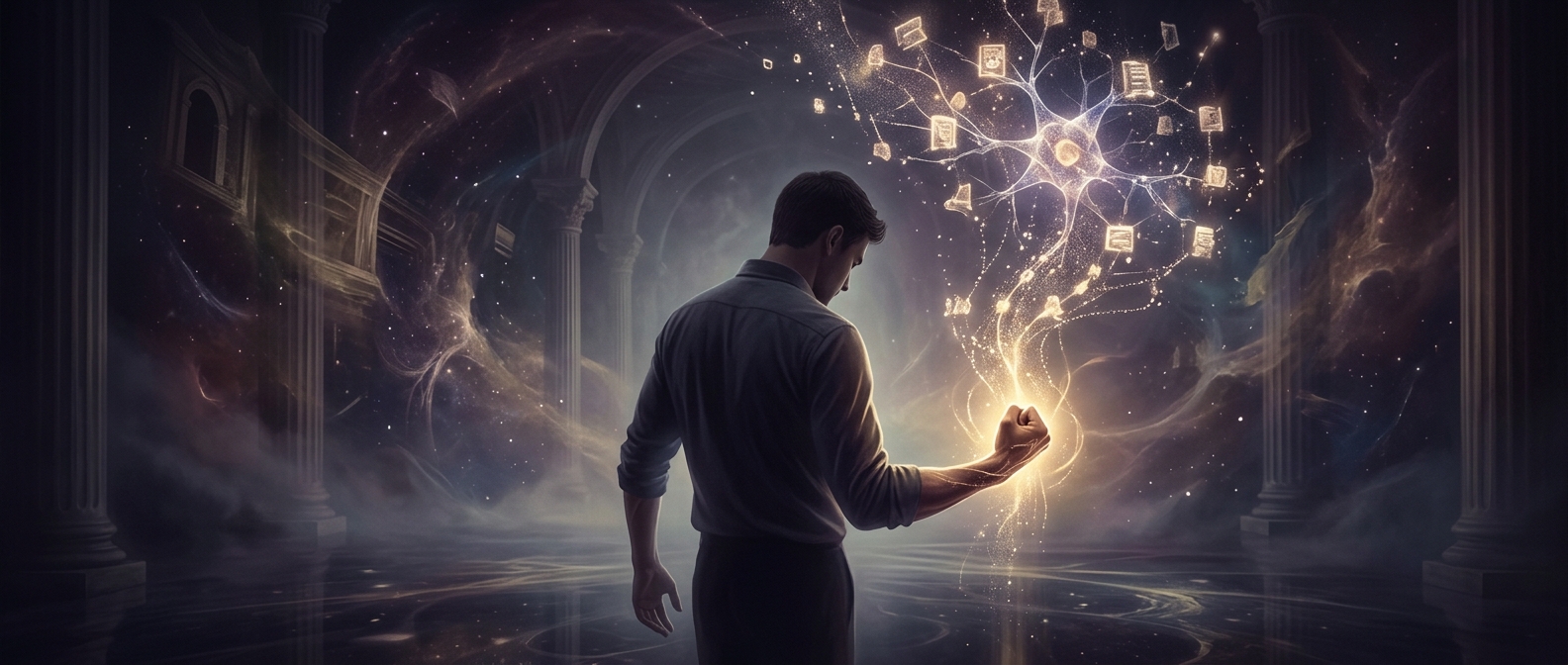
That is why an old rejection can return in a new setting—a reminder, a similar conversation, or a quiet moment—while a healed fracture may no longer demand attention. The social event may be over, but the mind can keep reopening the question it left behind.