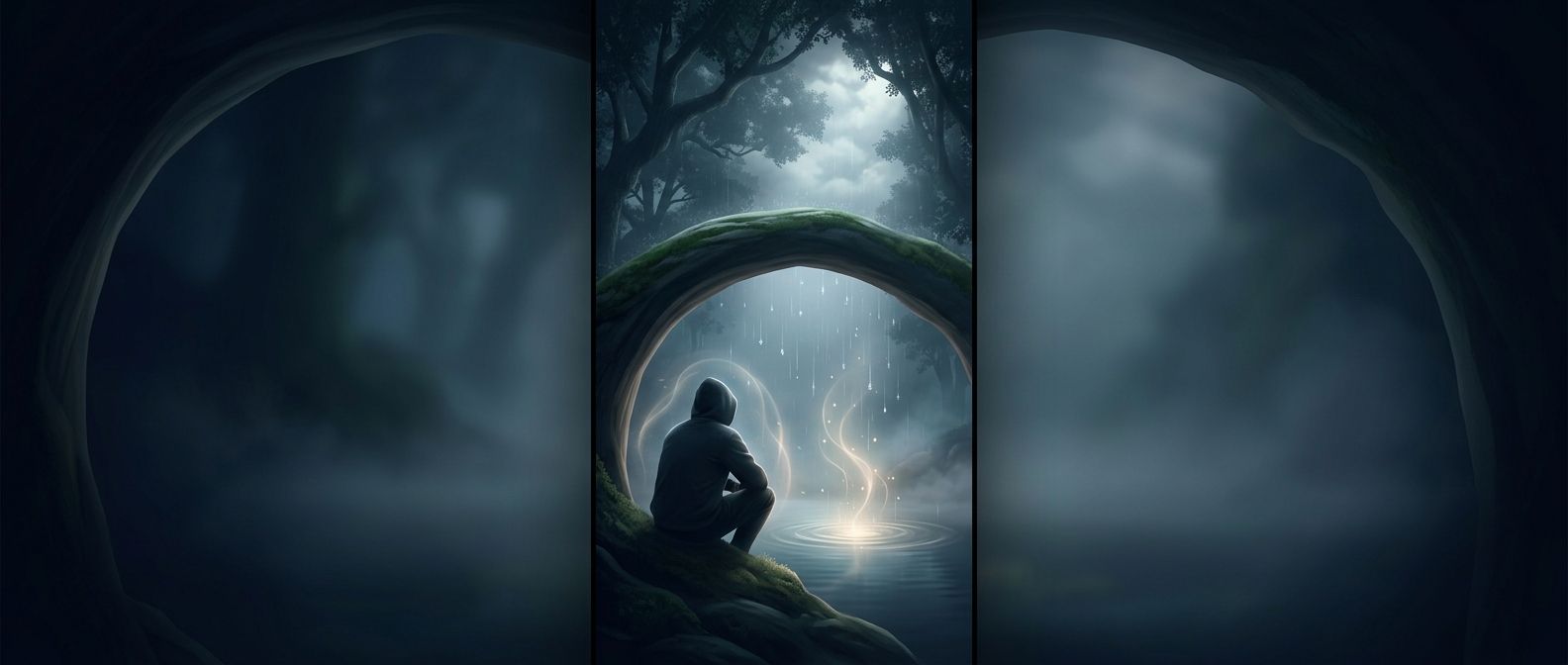
Why a sharp taste can break a worry loop
Anxiety often pulls attention away from what is happening now and toward what might happen next: a feared conversation, a possible mistake, a chain of worst-case outcomes. A strongly sour candy can briefly compete with that mental rehearsal because it creates an immediate, unmistakable sensation.
The sourness comes from acids stimulating taste receptors, while the mouth’s response—saliva, a puckered face, perhaps a wince—adds more sensations to notice. Instead of following an imagined future, you can track what is happening in your mouth: the first jolt, the changing taste, the urge to swallow. This is a simple form of sensory grounding, directing attention toward present physical experience.
A pause, not a cure
Attention is limited, so a vivid sensation may interrupt an anxious train of thought long enough to loosen its momentum. That does not mean the worry has been solved or erased. When the taste fades, the same concern may return; the candy has created a brief opening, not changed the underlying situation.
That pause can still be useful. It may help someone notice, “I’m spiraling,” and choose what to do next rather than automatically following the next prediction. The practical point is modest: a sharply sour bite gives the mind something concrete to attend to right now, while the worry waits its turn.