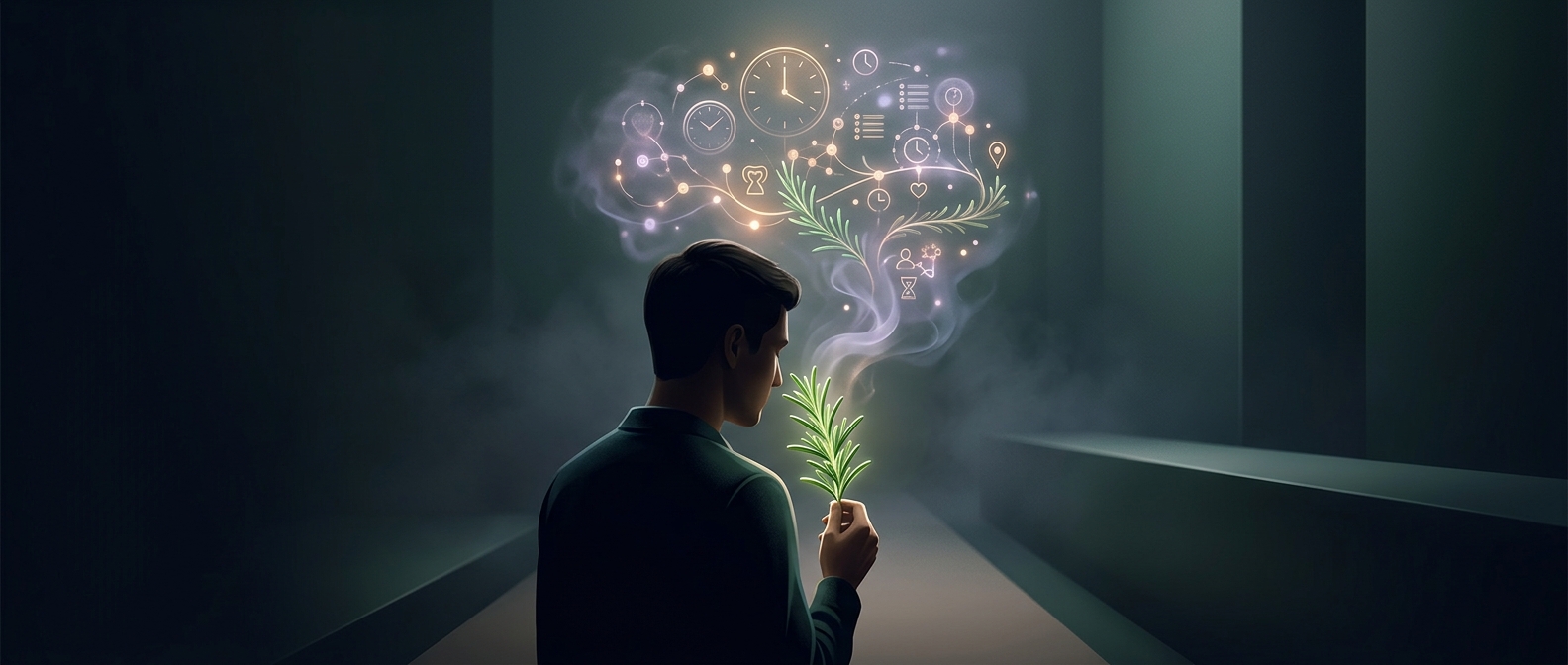
Why your reply can crowd out the conversation
When you plan what to say while someone else is talking, your mind is not simply listening and waiting. It is also selecting words, arranging them, and checking whether they sound right. Those operations draw on the same limited attention you need to follow the speaker’s meaning.
That creates a quiet competition. A point that seems important—or a reply you worry you might forget—can pull attention inward just as the other person reaches a key detail. You may still hear the sounds, but fail to connect them into a clear memory of what was said.
Rehearsal feels clear because it is happening now
Your planned sentence is active in your mind: you can repeat it, revise it, and hear its phrasing. The speaker’s words, by contrast, arrive once and keep moving. If your attention shifts to your response, part of what they say may never be firmly registered in the first place.
That imbalance can make your intended reply feel more memorable than the conversation that prompted it. It is not necessarily that you forgot a fully heard statement; you may have missed its meaning while composing your answer.
The missed detail can change the exchange
A reply prepared too early may answer the point you expected the speaker to make, rather than the one they actually made. Then the speaker has to repeat or clarify, and the conversation can feel oddly out of sync even though both people were present.
Waiting until the speaker finishes gives their thought a chance to land before you build your response. In a conversation, a pause is not wasted time: it can be the difference between answering what you anticipated and answering what you heard.