How a new sound borrows the feel of an old one
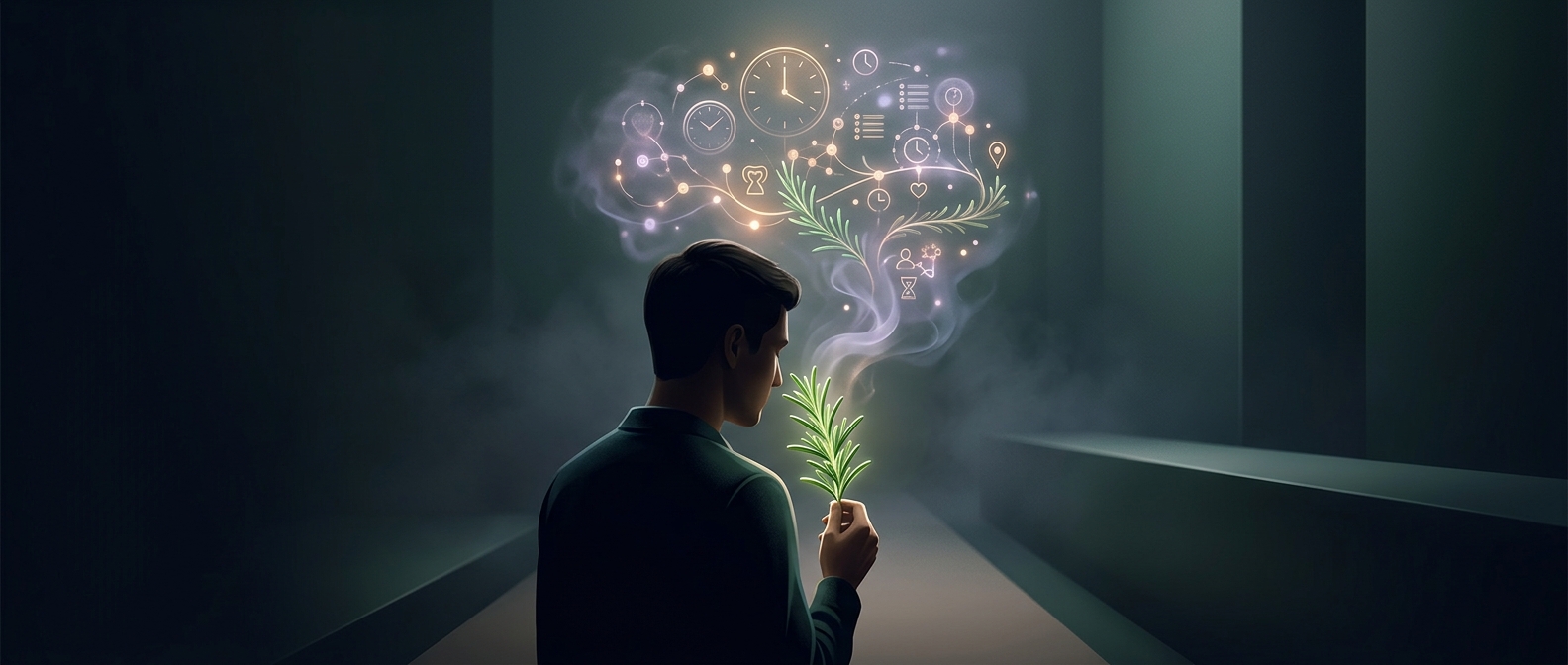
A sound does not have to match a stored memory exactly to seem familiar. Your brain continually picks up features such as rhythm, pitch movement, timing, and the rise and fall of a voice. When a new sound shares some of those features with sounds you have heard before, those overlaps can produce a sense of recognition.
That feeling is not the same as consciously remembering a specific song, speaker, or moment. Familiarity is a quick signal that something seems to fit what the brain has encountered; recollection is the slower work of finding where and when. The signal can arrive without the details needed to explain it.
Why recognition can come before the memory
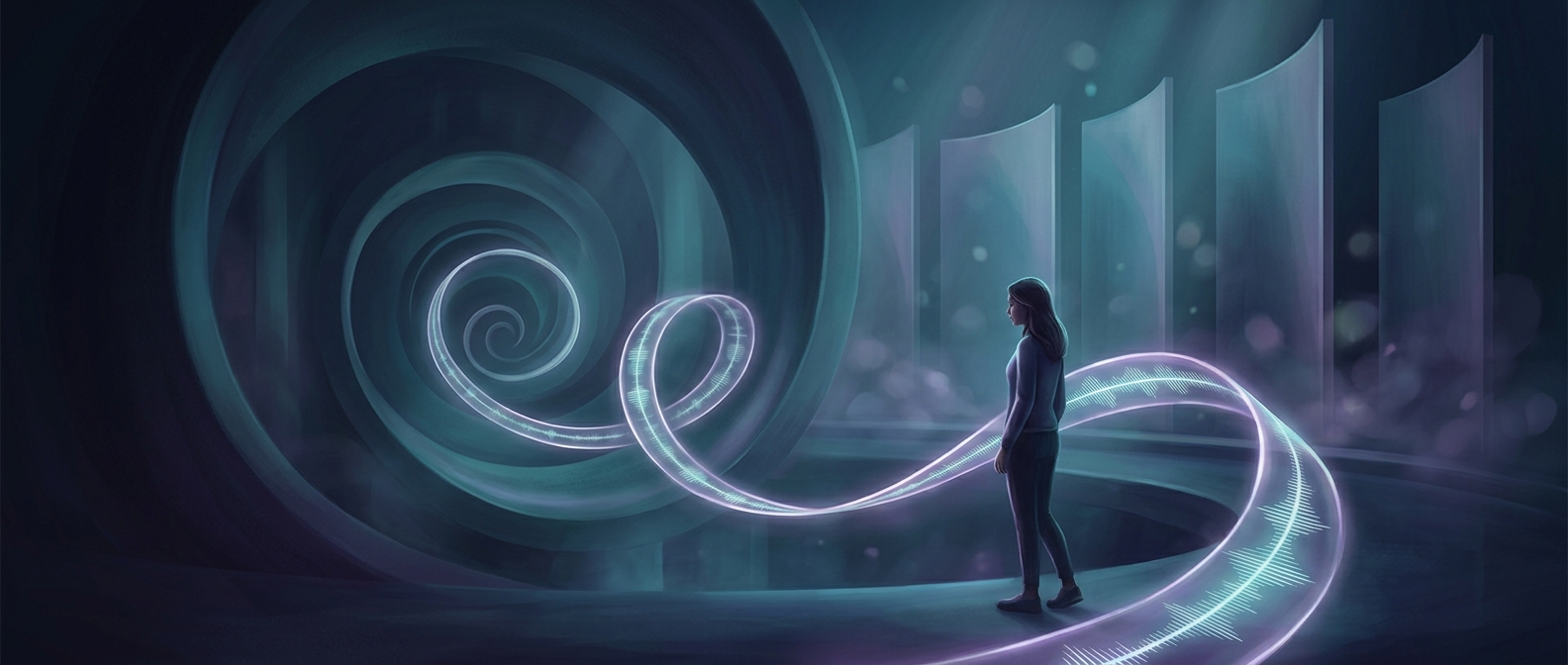
As you listen, your brain organizes sound into patterns rather than treating every instant as unrelated. A repeated beat or a familiar-sounding sequence of notes may activate patterns formed by many past listening experiences. Because those experiences can be similar without being identical, the brain may register a match in broad structure even when the exact sound is new.
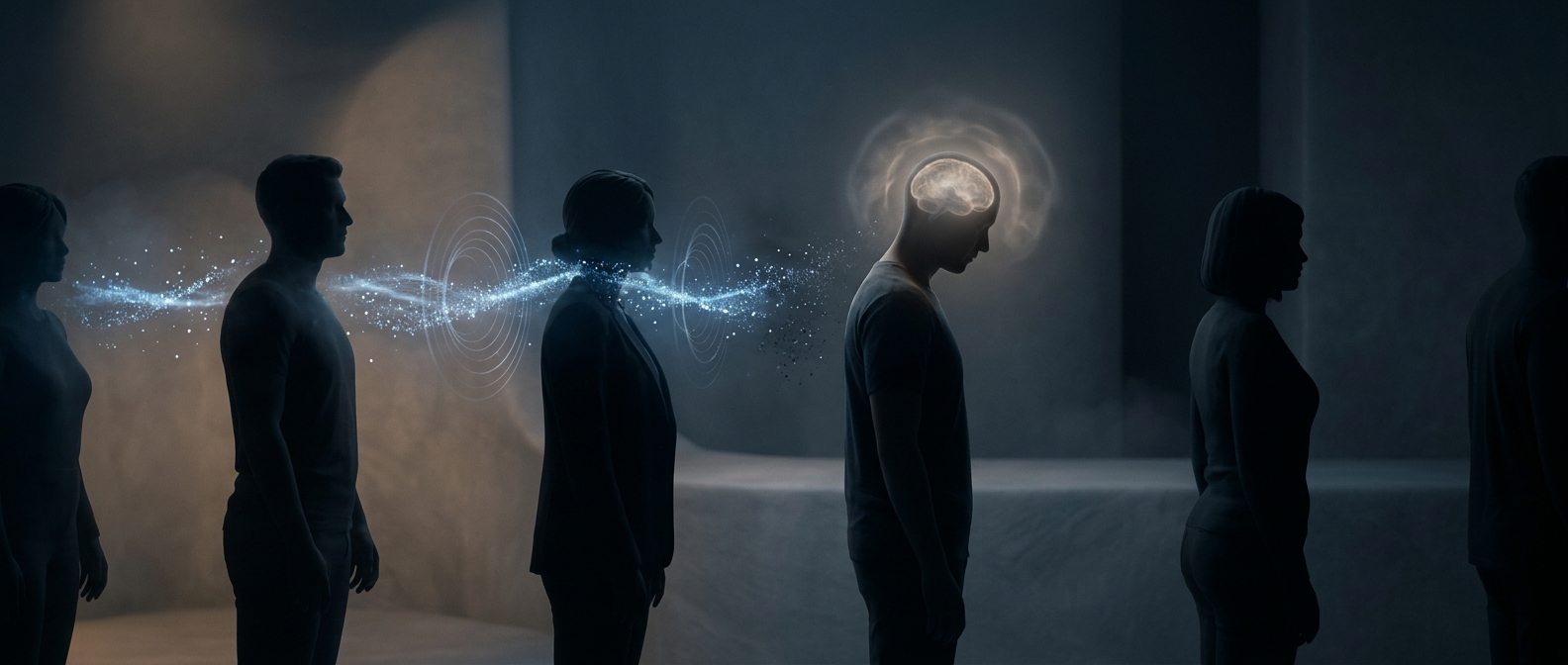
The result can feel like a memory with its source missing: “I know this,” followed by a search for where you heard it. Sometimes a source eventually comes to mind; sometimes the resemblance is too general to identify. The feeling of familiarity is evidence of resemblance, not proof that the sound itself has been heard before.
The search that follows
This gap helps explain why a voice, melody, or short sequence can seem oddly recognizable even when you cannot place it. Your attention starts checking possibilities—perhaps a similar rhythm or another voice with the same cadence—but the match may never resolve into one particular memory. The next time a sound feels familiar, what you recognize may be its pattern, not its past.