Why a fictional goodbye can feel personal
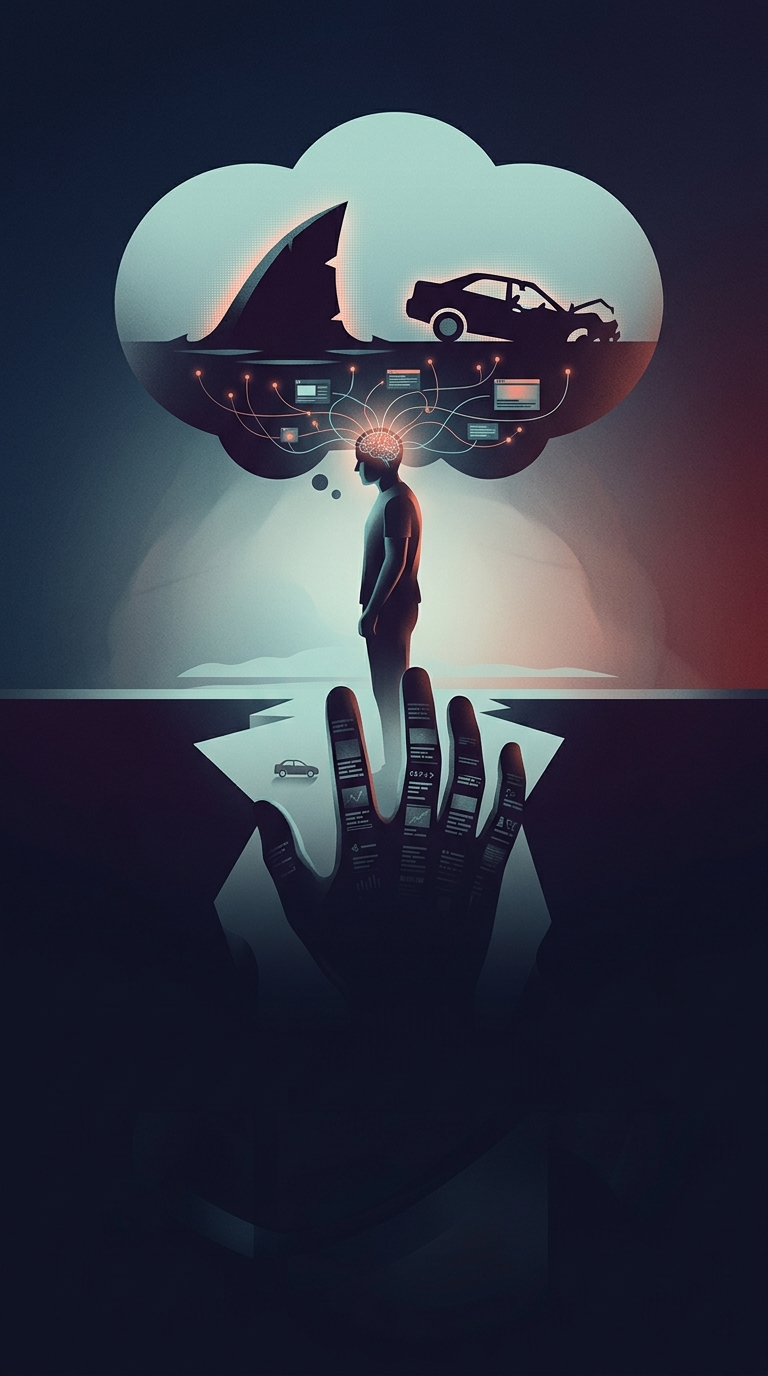
A long-running series gives your mind repeated chances to learn its characters. You notice who avoids conflict, who offers help, and how relationships change. Over time, those details make the cast feel predictable and familiar—not because you mistake the characters for real people, but because your brain has built a working model of them.
That model helps you follow the story. When a character makes a choice, you can anticipate what it means for their friendships or future. The show becomes a set of ongoing social relationships to track, even though you encounter them through a screen.
The routine ends, but the attachment lingers
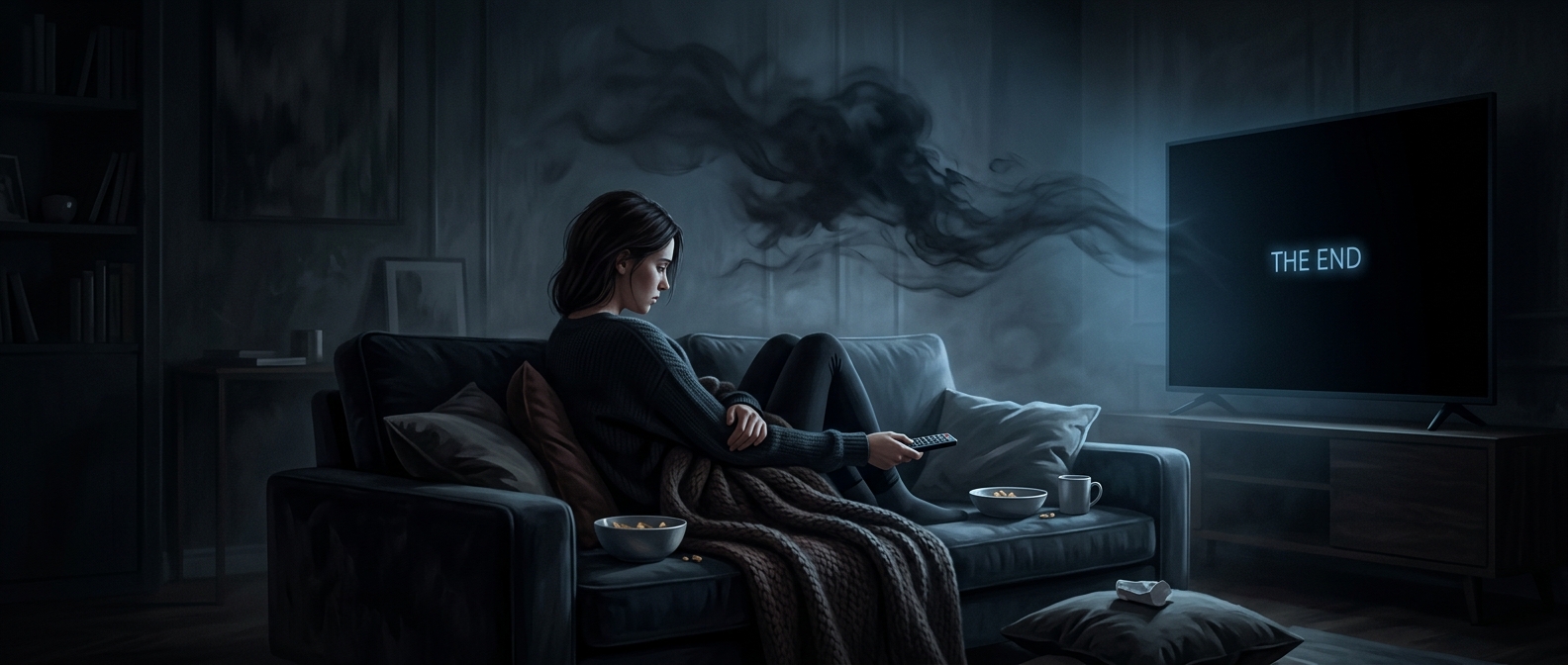
Watching also becomes part of ordinary life: an episode after work, a weekly release, or a familiar voice in the background. The finale removes both the fictional relationships and the recurring ritual at once. Your attention has been invested in a world that no longer supplies new scenes, conversations, or changes to follow.
That gap can produce sadness, restlessness, or a desire to rewatch. The feeling is real even though the relationship is one-sided: the emotions arise from your own repeated attention and imagination, not from a mutual bond with the characters.
Why endings can prompt a rewatch
Revisiting earlier episodes restores the familiar voices and routines, and it can make the ending easier to absorb. But a rewatch is different from getting new time with the characters: the story’s possibilities are already known. That is why finishing a beloved series can feel less like losing real people than like closing a familiar place you had been visiting for years.