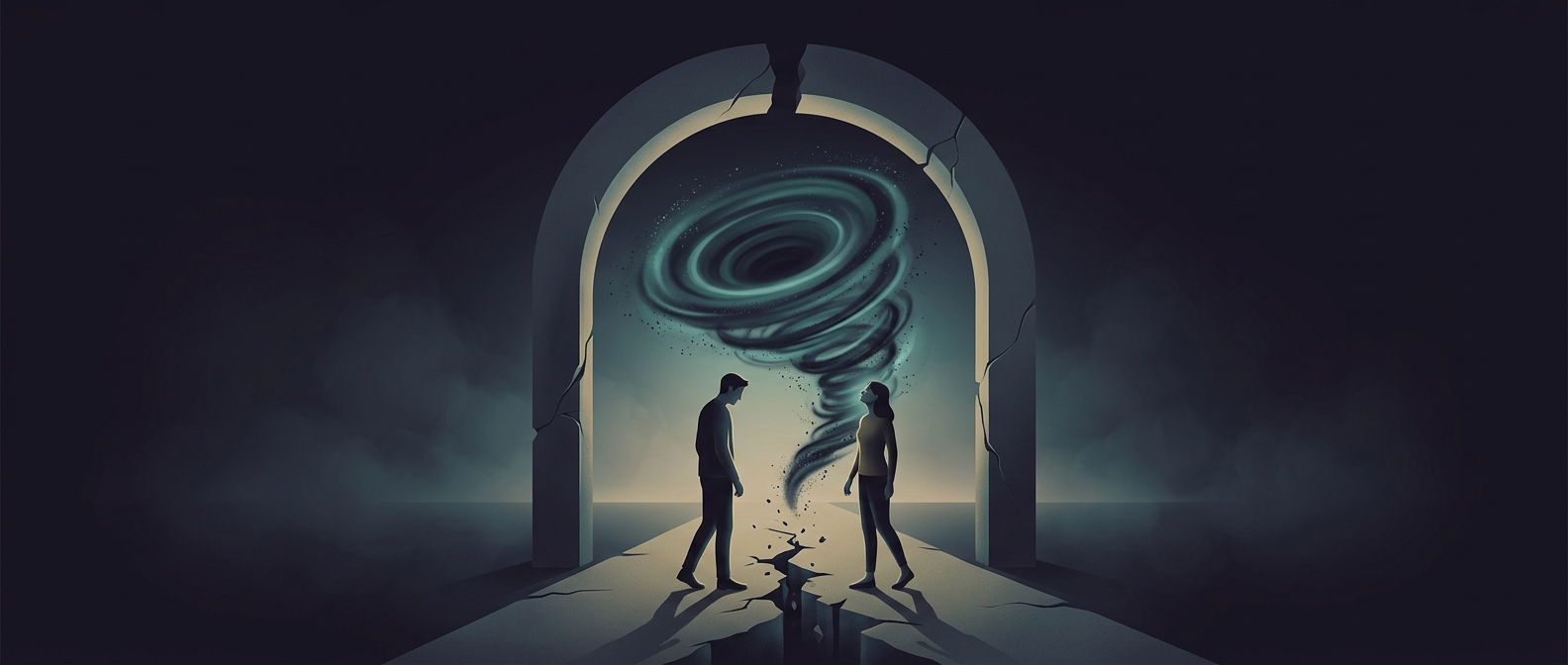
How an eye-roll changes the argument
An eye-roll can shift a disagreement from “we have a problem” to “you are beneath me.” That shift matters because people tend to respond differently to criticism of an action than to a signal that their judgment or worth is being ridiculed. Instead of considering the complaint, a partner may focus on defending themselves or restoring their standing.
The gesture can also make the words that follow harder to hear. A request such as “please tell me when you’ll be late” may be reasonable on its own, but delivered with a look of derision, it can sound less like a request than a verdict. The other person may answer the contempt rather than the original issue, and the conversation veers into competing accusations.
Why the damage can spread
Arguments rarely stay neatly confined to one topic. If one partner expects mockery, they may bring up concerns more cautiously—or stop bringing them up. The other may then read that distance as indifference, resentment, or refusal to communicate. A small practical problem can persist while each person reacts to what the exchange seemed to say about their place in the relationship.
That does not mean one eye-roll settles a relationship’s fate. Context matters: a gesture can be playful, nervous, or misunderstood. The more corrosive pattern is repeated contempt that goes unacknowledged. Repair starts by naming the impact without pretending the original disagreement no longer matters: the couple can return to the issue while making clear that neither person is being treated as ridiculous or inferior.
The practical consequence is simple: how a complaint is delivered can determine whether the couple solves the complaint or ends up fighting about respect.