How shared expressions can leave similar traces
A familiar face often becomes a model for our own. In conversation, people unconsciously mirror one another—smiling when the other smiles, lifting their brows in surprise, or tightening their lips in concentration. This facial mimicry helps people stay emotionally in sync, and it can happen too quickly to feel deliberate.
Repeat those expressions over years, and the same areas of the face are folded again and again. A smile, for example, repeatedly gathers skin around the eyes and cheeks. With time, repeated movement can contribute to expression lines: creases that become more visible even when the face is resting. If two partners favor similar expressions, some of those lines may form in similar places.
A resemblance built from habits, not just features
The effect is gradual, and it does not mean partners’ faces literally become identical. Facial structure and skin aging also reflect inherited traits and life experiences, including sun exposure. Shared expressions are one small influence among many.
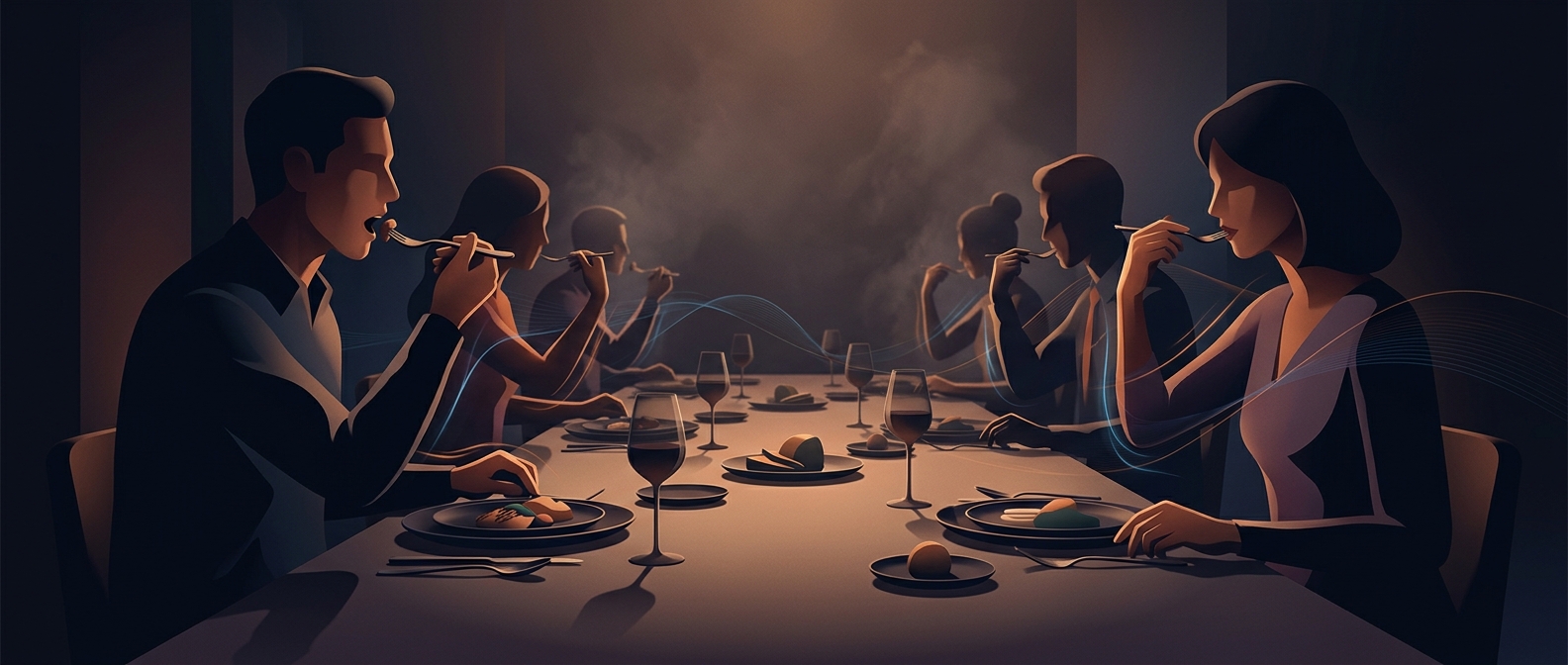
What makes the resemblance easy to miss is that it grows out of ordinary moments: matching a grin across the dinner table, raising an eyebrow at the same joke, or softening the face when the other person does. Years later, those repeated gestures may be part of what makes a couple’s smiles—and the creases that come with them—feel familiar in the same way.