Psychology
Discover facts about psychology. Small discoveries that change the way you see familiar things.
Psychology

Researchers measured the chemistry of a kiss
In research discussed at a 2009 science meeting, couples showed lower levels of cortisol, a hormone involved in the stress response, after kissing. The…
Discover more
You probably couldn't explain how everyday objects work
A bike brake seems obvious until someone asks you to explain how squeezing a lever stops the wheel. Everyday objects feel mentally “known” because we use them…
Discover more
Why expecting disaster can calm anxious people
Anxiety feeds on the open question of what might happen. Walking through the worst case in your mind can make the threat feel more defined and rehearsed,…
Discover more
Why expensive placebos can work better
A costly treatment carries a promise: someone paid for the good stuff. That expectation can strengthen the placebo response, changing how symptoms feel. The…
Discover more
You learn places without trying to remember them
Your mind learns a place by tracking how its pieces fit together. A familiar doorway, the turn after the bus stop, the path back to your car become landmarks…
Discover more
Feeling powerful can make another viewpoint harder to notice
In a 2006 series of studies, participants placed in a high-power mindset were less likely to account for what other people knew or could see. They leaned more…
Discover more STACKY FOR IPHONE
A bigger world.
One discovery
at a time.
Keep discovering with Stacky. Interesting facts in an app that is always within reach.

Why winning may barely raise your Elo rating
Your rating changes according to how surprising the result was. If the system already expects you to beat your opponent, a win adds little; if you defeat…
Discover more
High expectations can change how people perform
Treat someone as capable and you may give them harder tasks, more useful feedback, and more time to improve. Those opportunities can help turn the expectation…
Discover more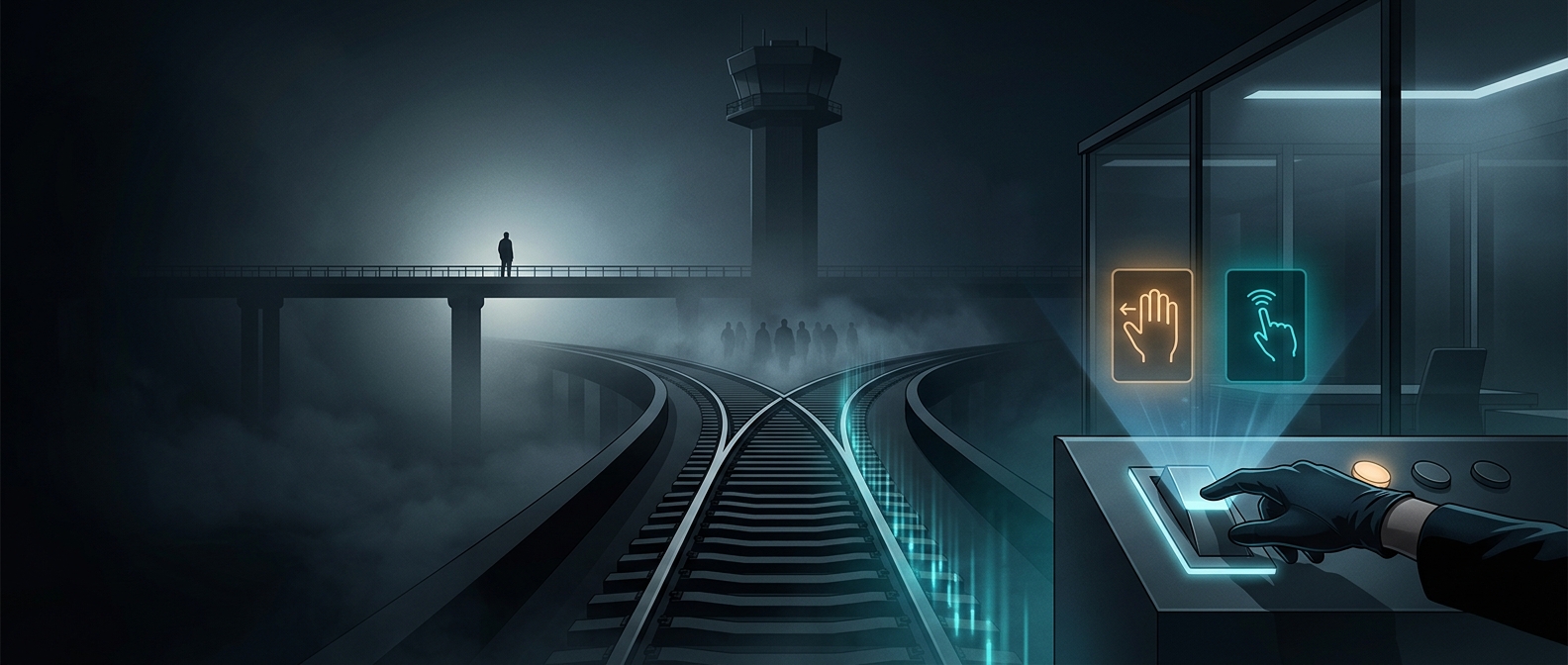
Why killing with a switch feels different
A switch puts a lever between you and the person in danger. Pushing someone makes your body part of the act in a way that operating a mechanism does not, so…
Discover more
Professional players study frame data like spreadsheets
A pro studying frame data is not memorizing trivia; they are learning the hidden timing rules of the game. If one move recovers sooner than another, that gap…
Discover more
Toxic traits are rapidly projected onto different individuals
It can be easier to spot an unwelcome quality in someone else than to admit it in yourself. That’s projection: the mind shifts a difficult thought or trait…
Discover more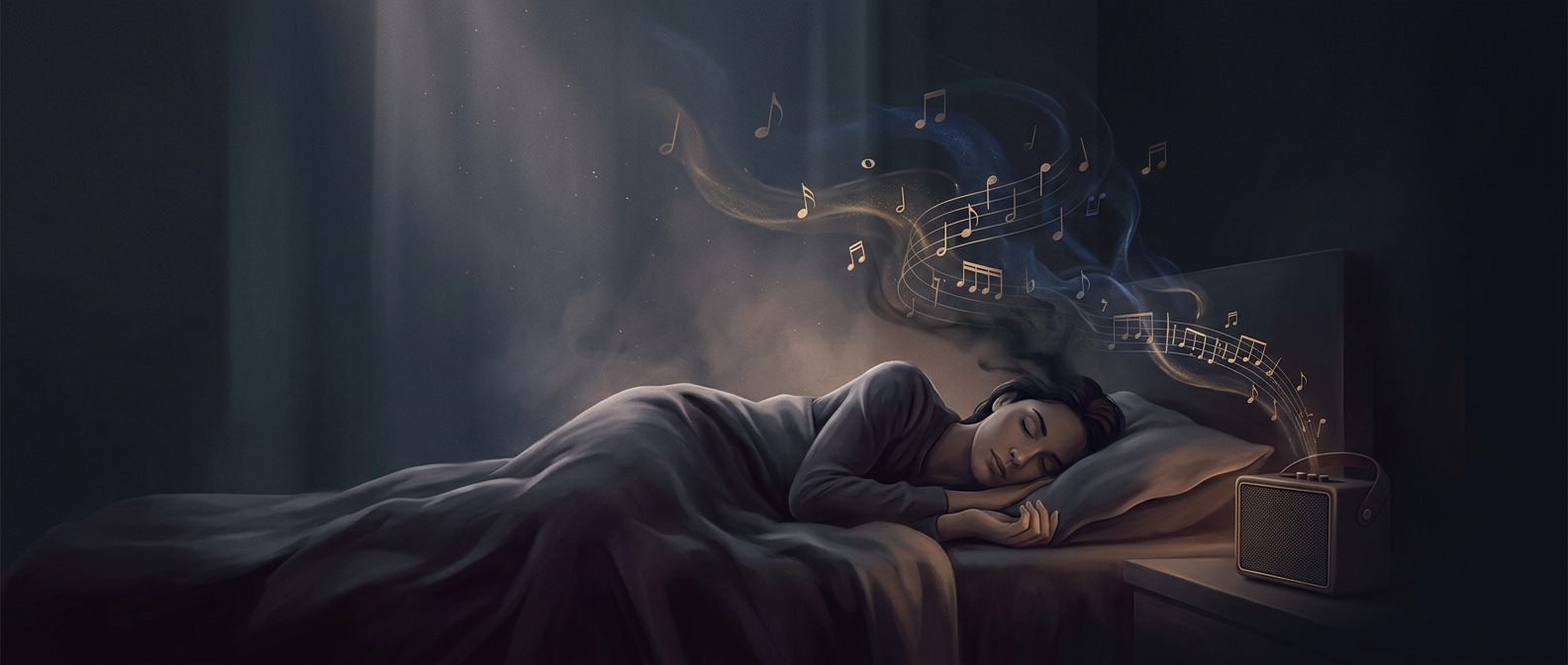
Your alarm's melody may matter after you wake up
A 2020 survey linked more melodic alarm sounds with lower reported sleep inertia—the groggy period after waking. It did not prove that a tune causes better…
Discover more
Attraction can change the way a voice is pitched
A 2011 experiment found that women used a higher pitch when addressing men they rated as more attractive. The study treated the voice as part of social…
Discover more
Why venting can make your anger worse
Replay the insult, rehearse your comeback, tell the story again—and your mind keeps the anger switched on. Venting can feel like releasing pressure, but…
Discover more
Algorithmic echo chambers only show opinions you agree with
The unsettling trick of an echo chamber is that it can build itself from ordinary clicks. You linger on familiar opinions; the system takes that as a cue to…
Discover more
Compartmentalization builds solid walls in your mind
Compartmentalizing is like closing one mental door so you can walk through another. It lets someone set aside grief during a meeting or anger while caring for…
Discover more
Why people wait for someone else to flee
In a confusing emergency, people look to one another for clues about how serious it is. If everyone stays still, each person can read the others’ calm as…
Discover more
Your ears help tell whether sounds come from above
Your outer ear folds sound before it reaches the eardrum. Those folds alter certain pitches in ways that depend on whether a sound comes from above or below,…
Discover more
Nihilism embraces the utter pointlessness of it all
Nihilism treats meaning and purpose as things the universe does not hand you. That can strip away comforting scripts: the unsettling question is no longer…
Discover more
Why humor can hide private pain
Humor gives private pain a socially acceptable disguise. A person can reveal something real, then use laughter to steer the room away from pity or probing…
Discover more
Can sarcasm make every conversation hostile
A sarcastic “Great job” asks the listener to hear the sneer hiding inside the compliment. If that becomes the default, people start scanning every sentence…
Discover more
Why you can't stop doomscrolling bad news
Doomscrolling turns worry into a job with no clock-out: check again, in case the next headline makes the danger make sense. Threatening information is hard to…
Discover more
Why red lemonade can taste like cherry
A glass of red lemonade already looks like it ought to taste like cherry. Your brain combines color with smell and taste, using familiar pairings to guess…
Discover more
Why humans need rewards to do boring tasks
Folding laundry offers little immediate satisfaction, while its payoff—clean clothes later—is delayed and ordinary. A reward gives your attention something…
Discover more