Psychology
Discover facts about psychology. Small discoveries that change the way you see familiar things.
Psychology
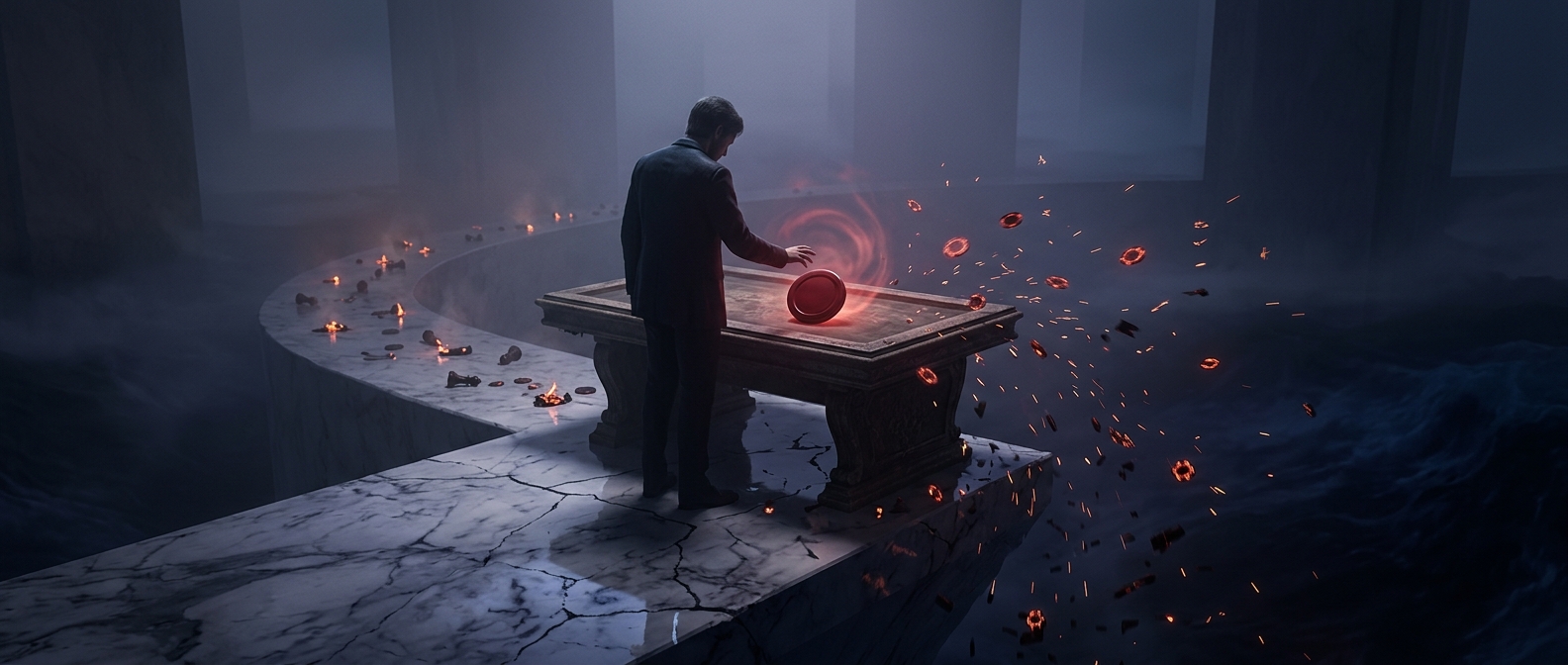
A gambler can lose more trying to erase the last loss
After losing money, a gambler may think one more bet can win it back. The loss makes stopping feel like accepting defeat, while another bet offers the…
Discover more
A face can influence trust before its owner has earned any
People make rapid judgments from appearance, and research examines how attractiveness and expression affect those impressions. Such judgments are impressions,…
Discover more
Last items seen are recalled with absolute clarity
The last few words of a list are still sitting in working memory when you’re asked to repeat them. That makes them feel unusually crisp and easy to pull back…
Discover more
Why non-alcoholic beer can still make you act drunk
Alcohol is not the only cue in a drinking scene. The taste, ritual, and expectation of getting drunk can shape behavior, so non-alcoholic beer may still bring…
Discover more
When hatred comes out as exaggerated affection
When hostility is hard to admit, it can come out dressed as excessive sweetness: too much praise, too much concern, a smile with an edge. Psychoanalysis calls…
Discover more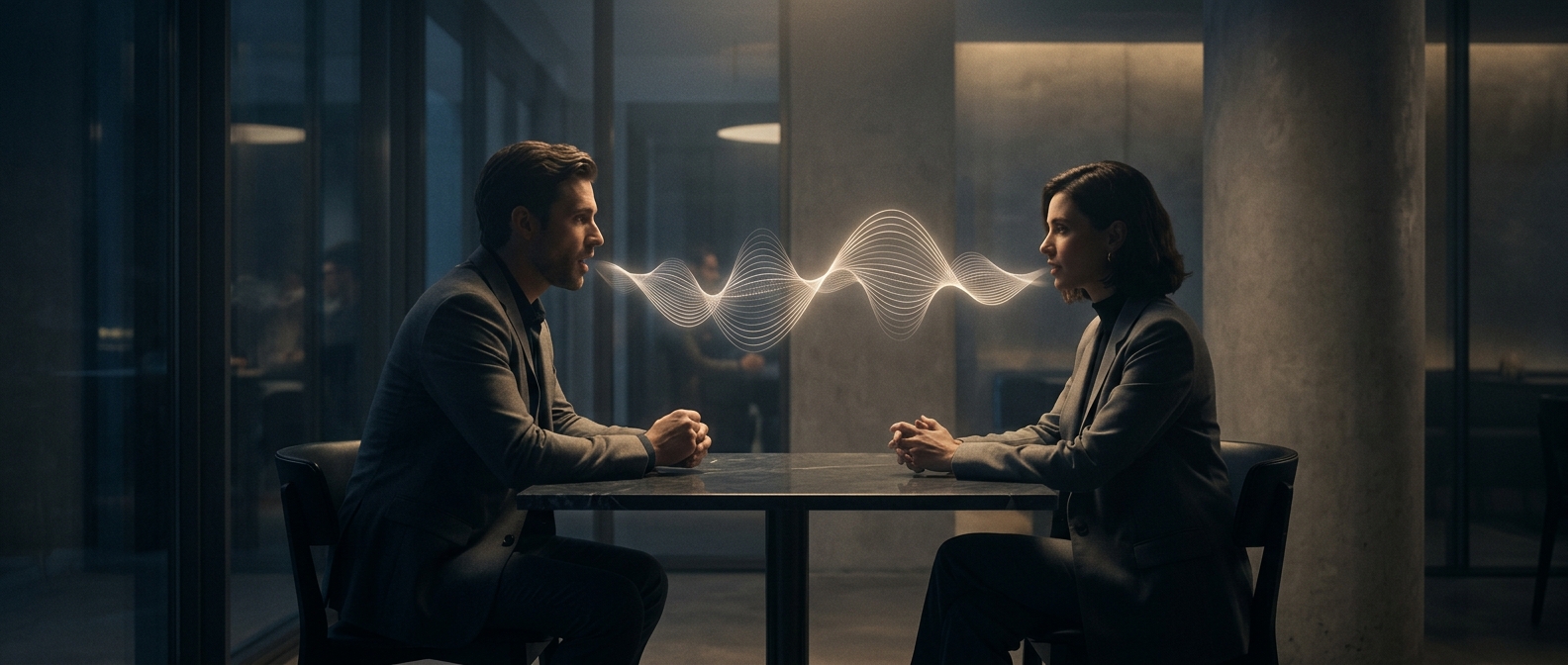
Why you start whispering when someone whispers to you
Whispering is a social cue as much as a volume setting. When someone lowers their voice, matching them helps keep the exchange quiet and intimate; speaking at…
Discover more STACKY FOR IPHONE
A bigger world.
One discovery
at a time.
Keep discovering with Stacky. Interesting facts in an app that is always within reach.

Why you’re more likely to cry at night
Night can leave you alone with feelings that daytime noise kept interrupting. Add fatigue, which makes it harder to regulate emotion, and a small sadness can…
Discover more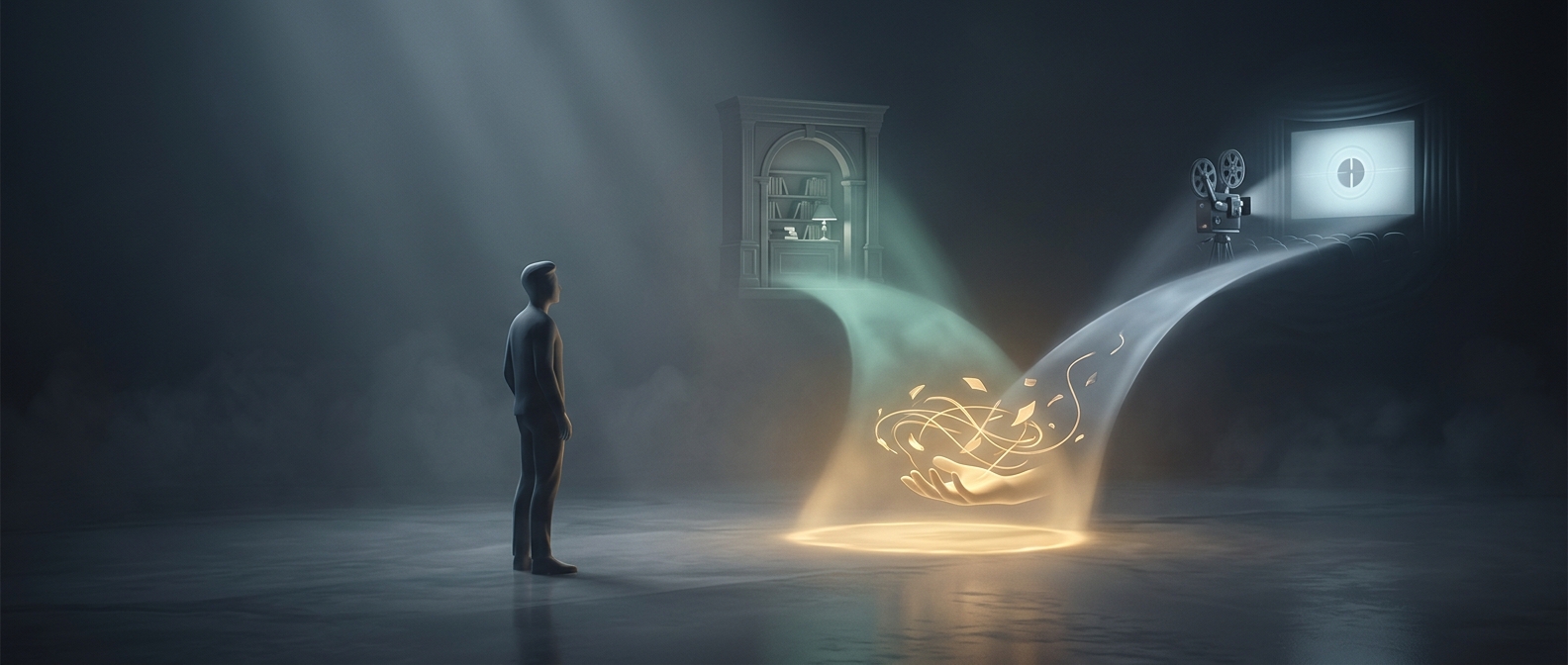
You can remember a story that never happened to you
A vivid story gives your mind details to build a scene around. If you imagine it repeatedly, the scene can grow familiar while the label saying “I heard this”…
Discover more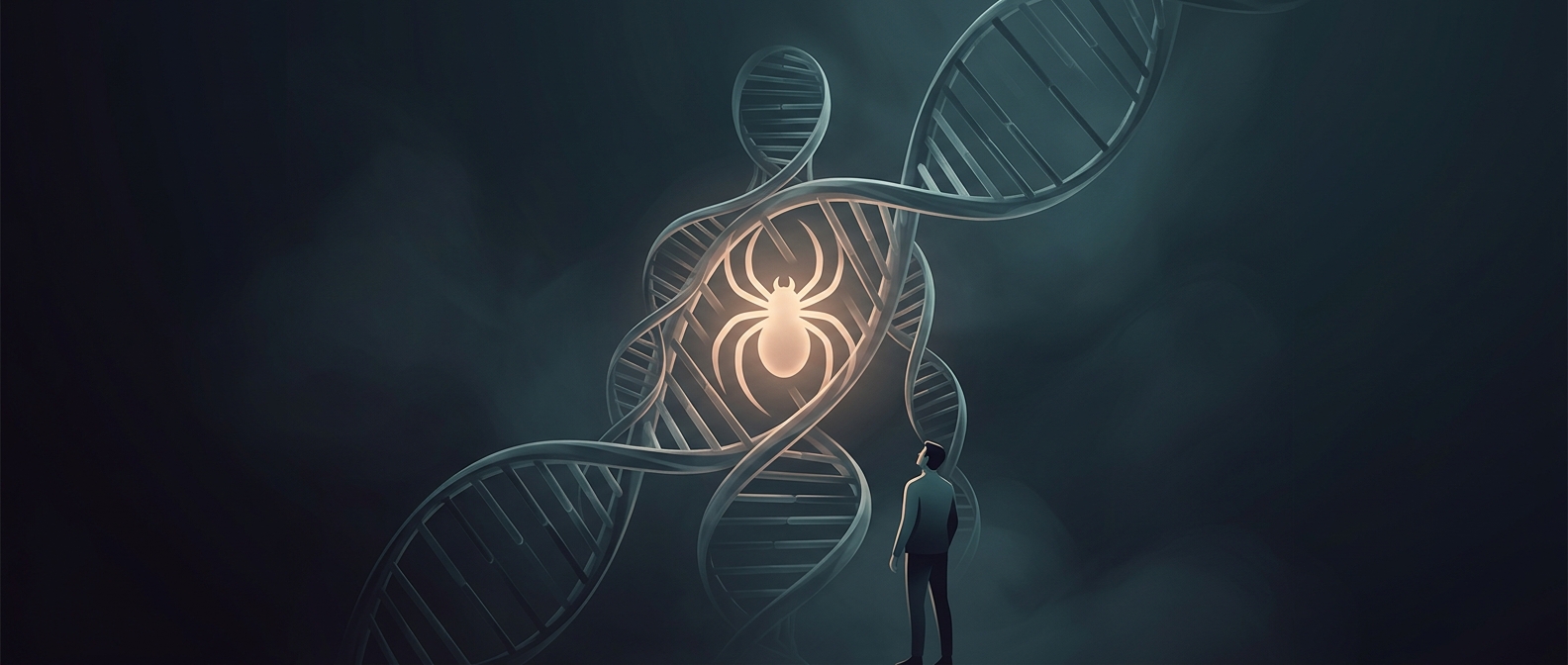
Can your ancestors’ trauma shape your fears
A child can inherit a family’s fear without inheriting the original event. They may grow up watching a parent scan for danger, avoid certain places, or react…
Discover more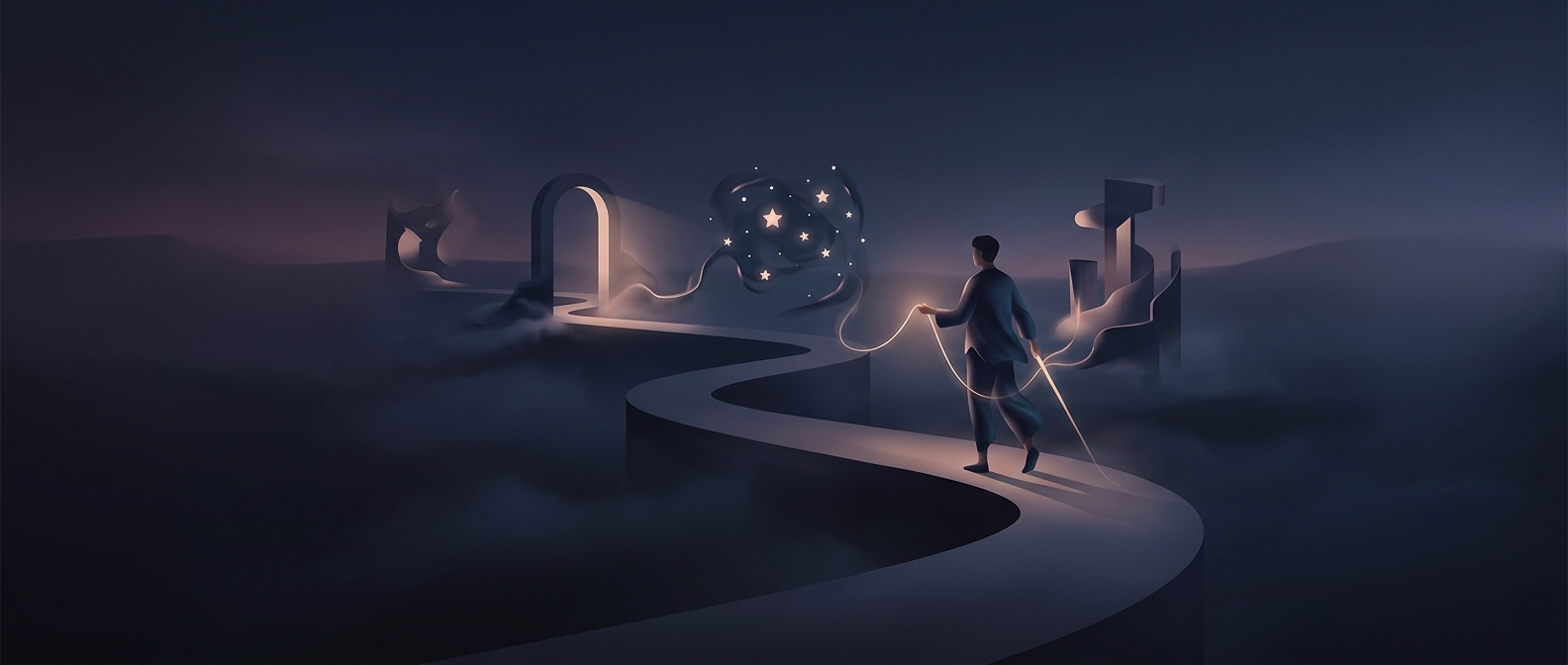
Lucid dreaming involves controlling your narratives
In a lucid dream, the dreamer recognizes that the scene is a dream. That awareness can make the plot feel steerable: you can decide to open a door, confront a…
Discover more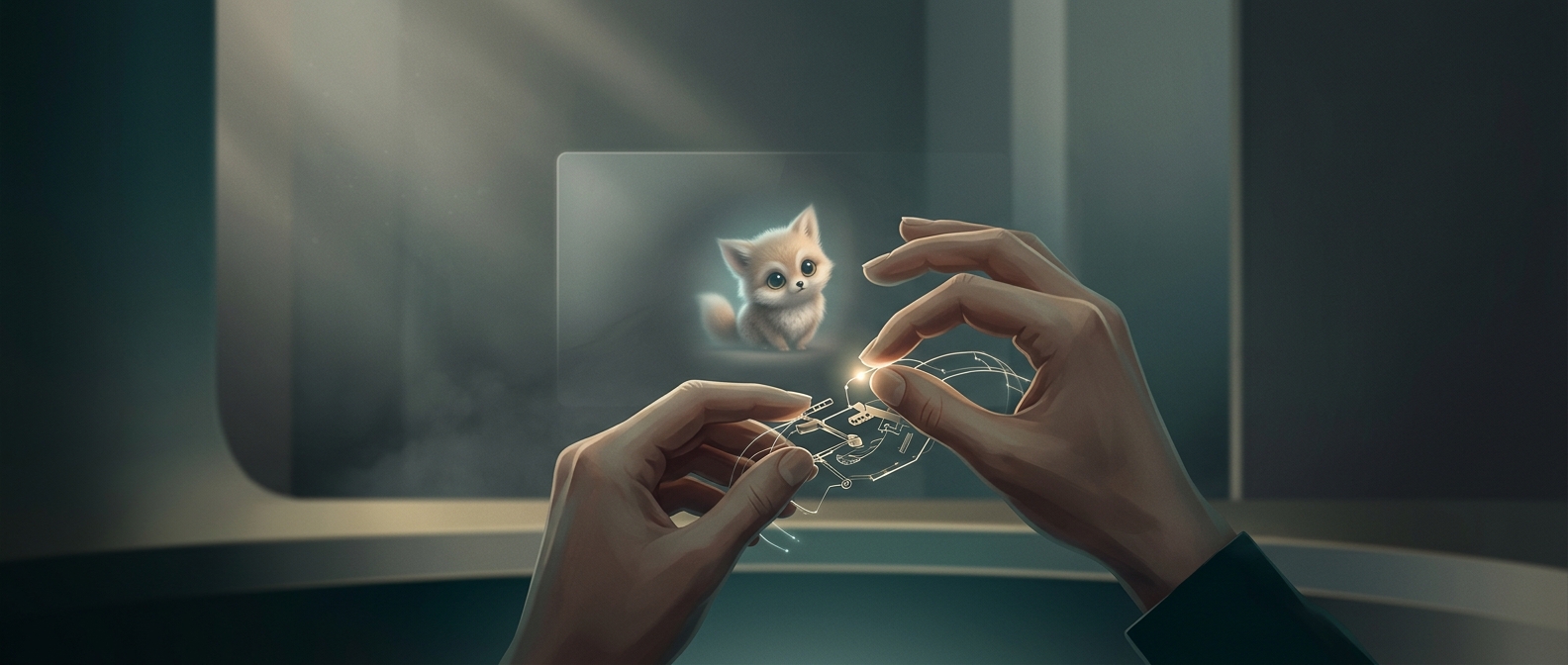
Cute animal pictures can sharpen your focus
In a 2012 experiment, people performed a delicate motor task better after looking at puppies and kittens than after looking at adult animals. Another task…
Discover more
Why watching someone fall can make you laugh
A fall is a sudden break in the scene, and surprise can spill out as laughter when your mind quickly reads the mishap as harmless. The laugh helps discharge…
Discover more
Why a sudden distraction can ruin a new memory
You remember a name, turn to answer a text, and the name is gone. New memories are fragile: attention helps hold the pieces together, and a sudden switch…
Discover more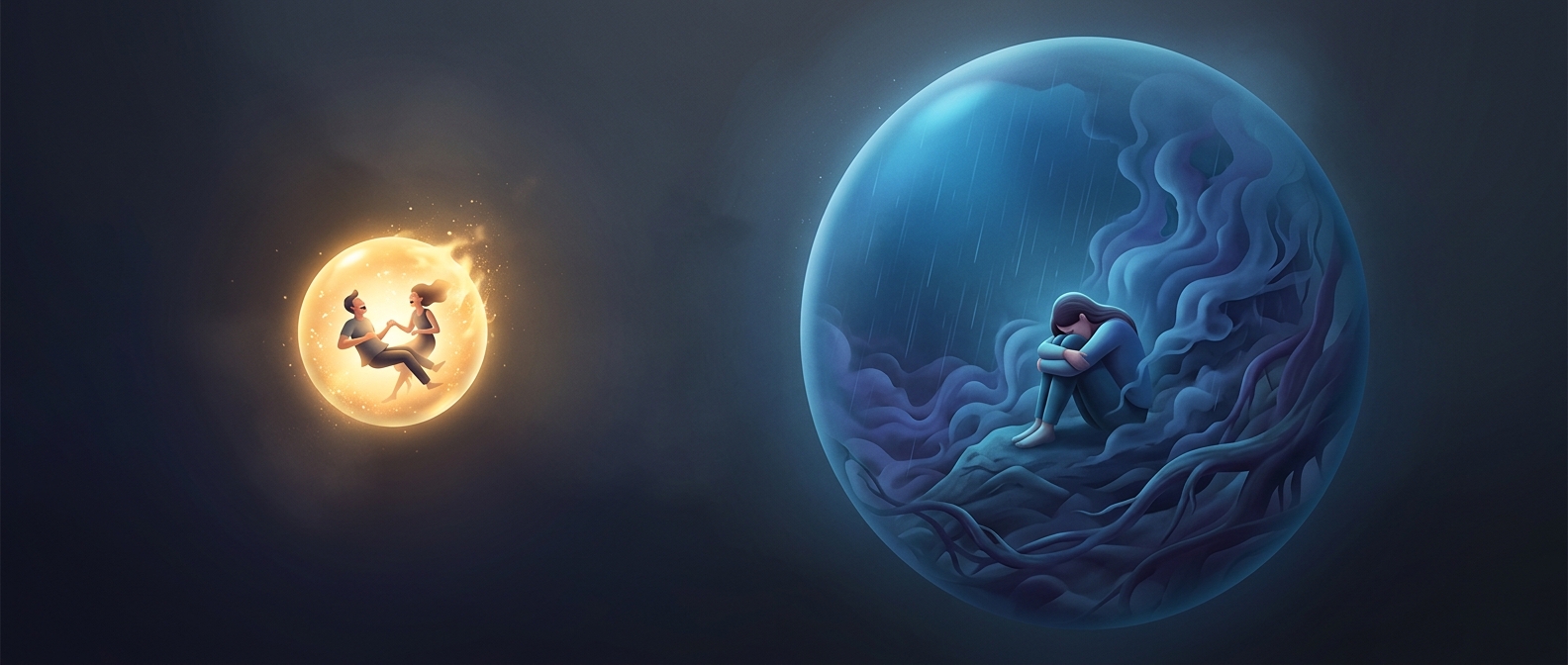
Grief makes you relearn the shape of an ordinary day
Joy often arrives as a bright event; grief changes the map you use to navigate ordinary days. You reach for the person, remember a plan, notice an empty…
Discover more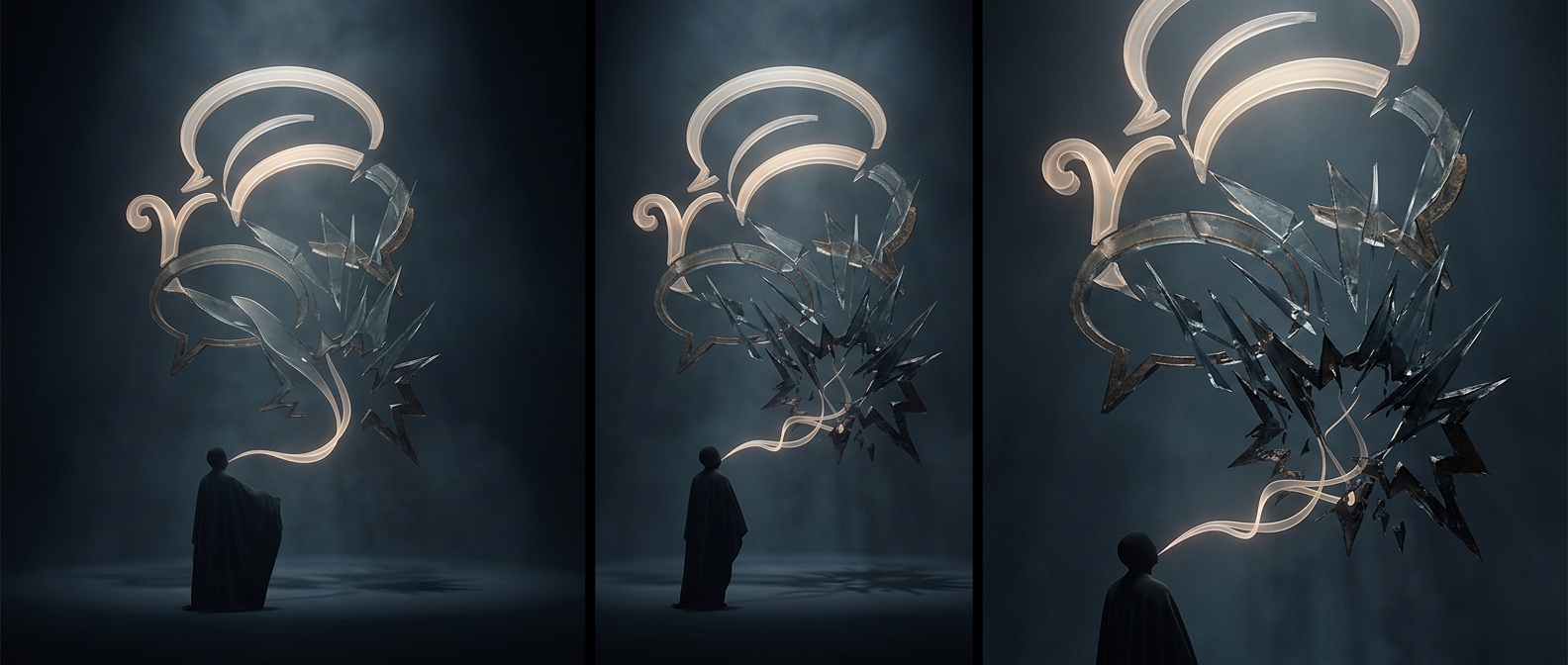
Why polite words eventually become insults
A phrase like “with all due respect” can start as a politeness marker and end up warning you that disrespect is coming. People learn what a phrase does from…
Discover more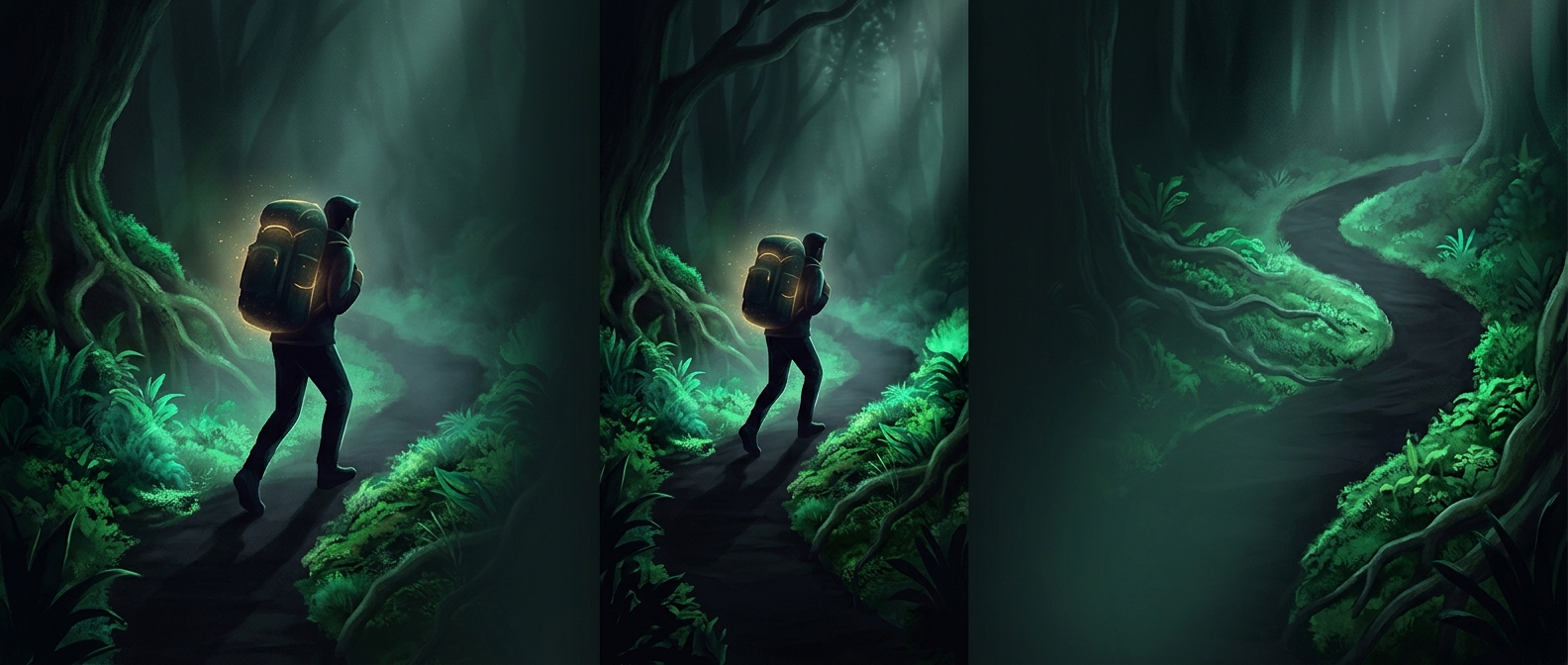
Why green can make staring less tiring
Green sits near the part of the visible spectrum our daylight vision handles especially well, so it can look clear without the same sense of harshness as some…
Discover more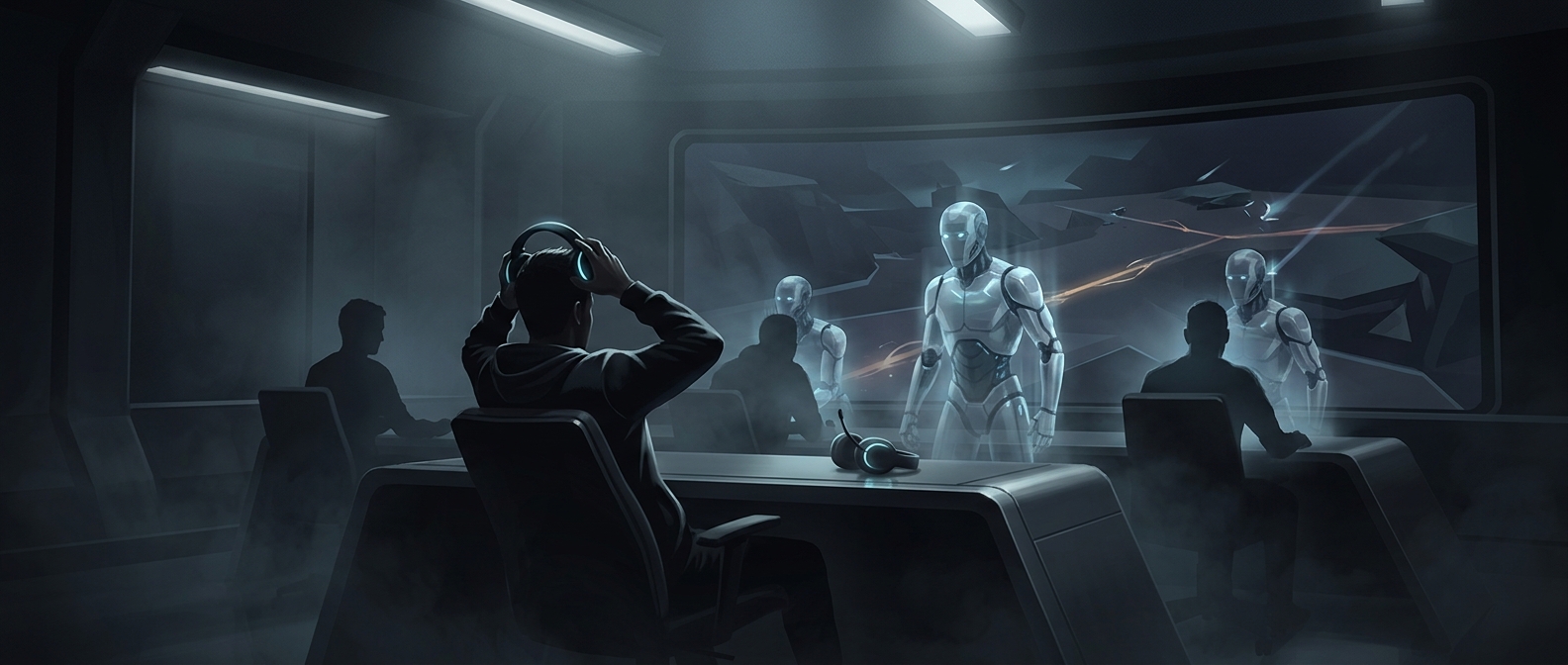
Rage quitting can leave you playing with a bot
A rage-quit can change the match rather than end it: some games fill the empty slot with a bot. The player who storms off stops making decisions, but the game…
Discover more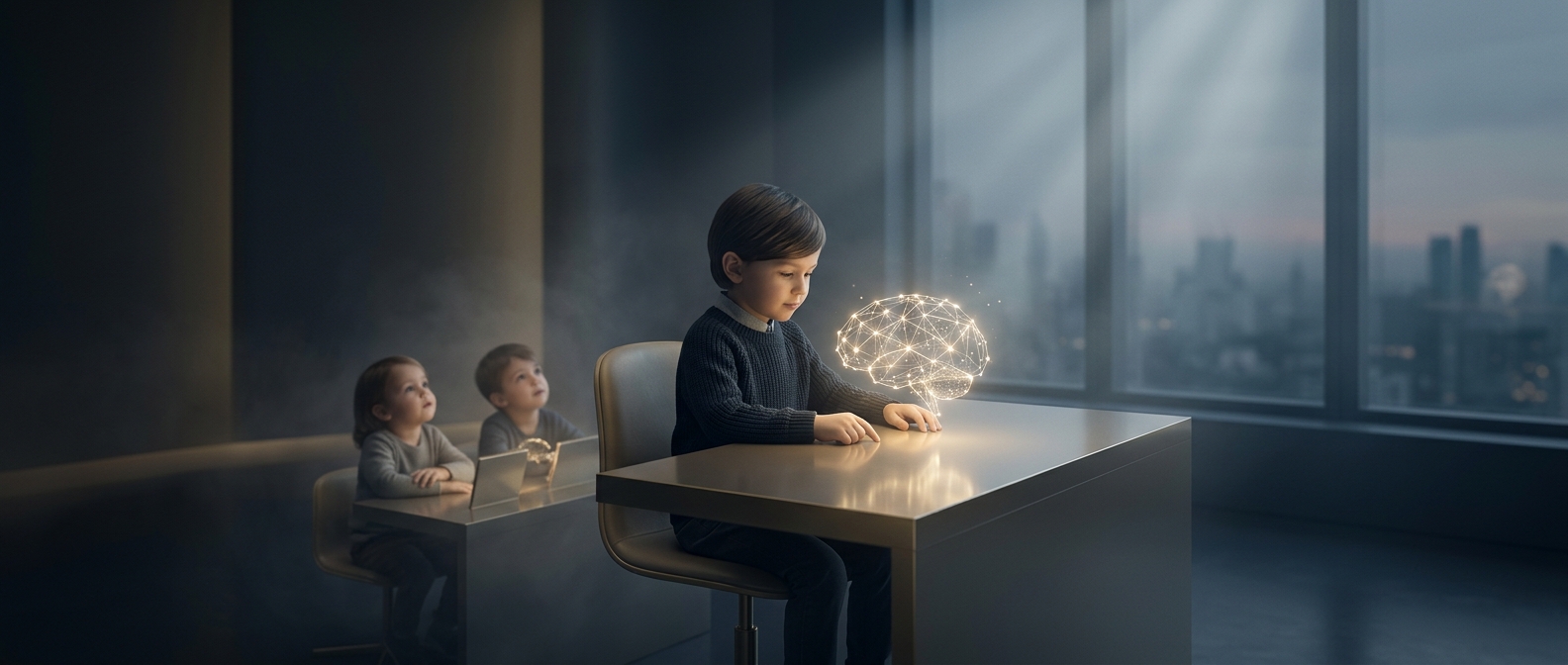
Older siblings tend to score slightly higher on IQ tests
Large studies have found a small average IQ advantage for earlier-born siblings, around a point or two rather than a dramatic divide. Family attention and…
Discover more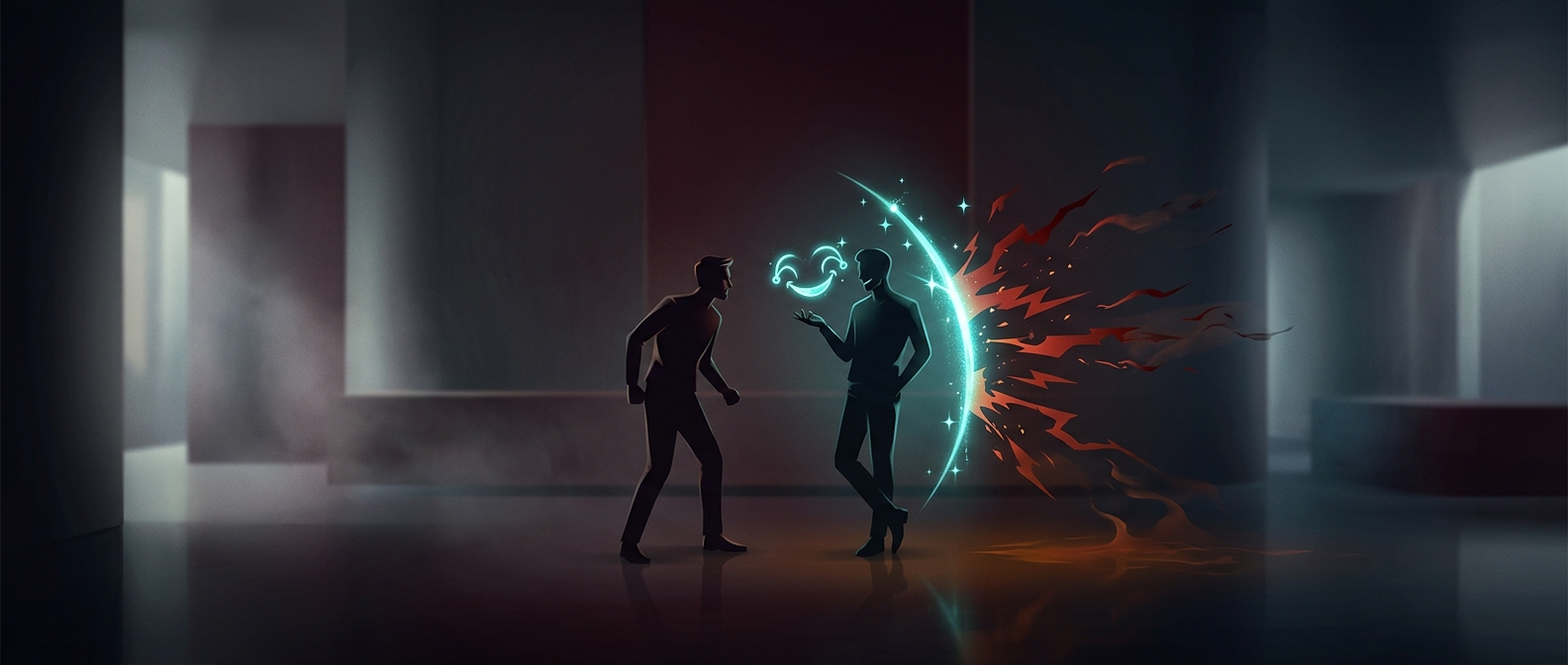
Sarcasm asks the listener to hear two meanings at once
The literal words and the intended message point in different directions, so understanding the joke requires bridging the gap. Experiments have linked…
Discover more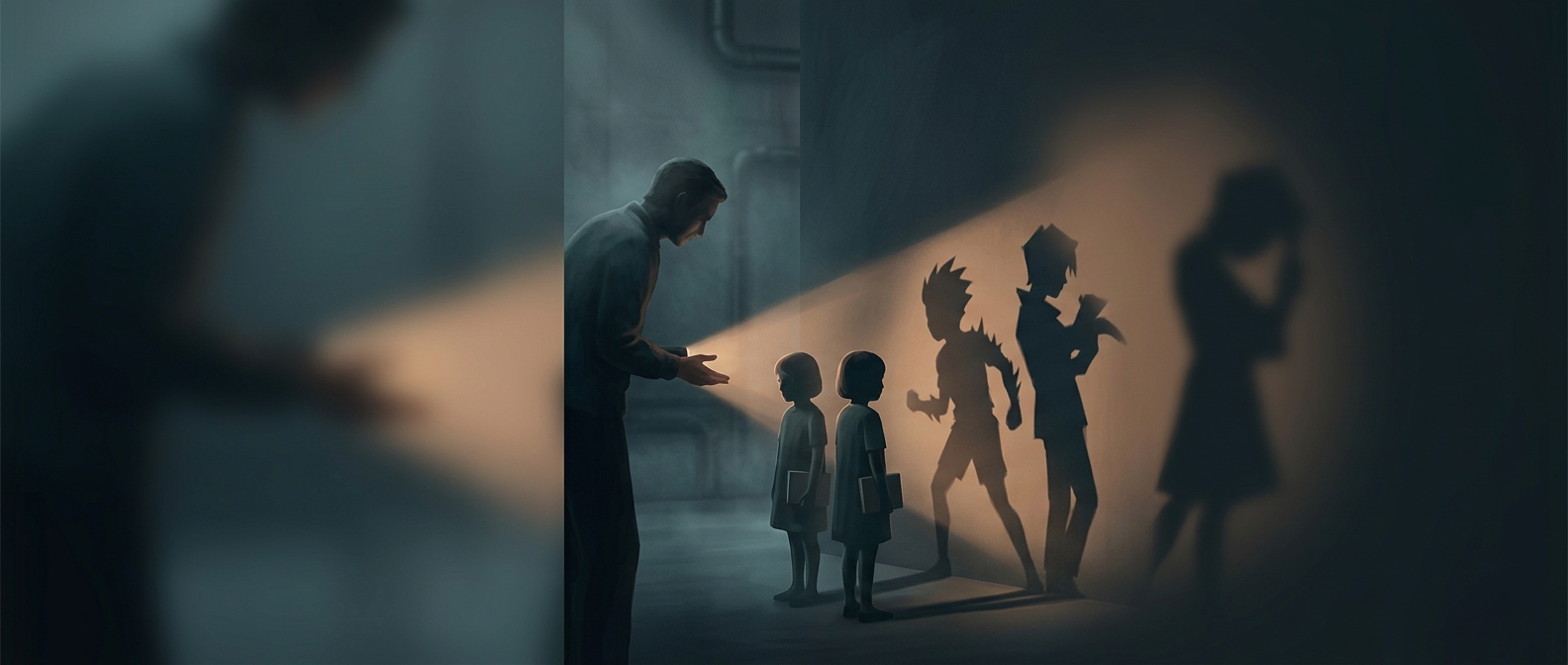
Why parents make siblings seem more different than they are
When siblings share a home, parents may emphasize the differences that make each child easier to describe: one is “the artistic one,” another “the practical…
Discover more
An unfinished task can keep asking for attention
A job left unresolved can keep returning to mind because it still needs an answer or a next step. Psychologists call the tendency to remember unfinished tasks…
Discover more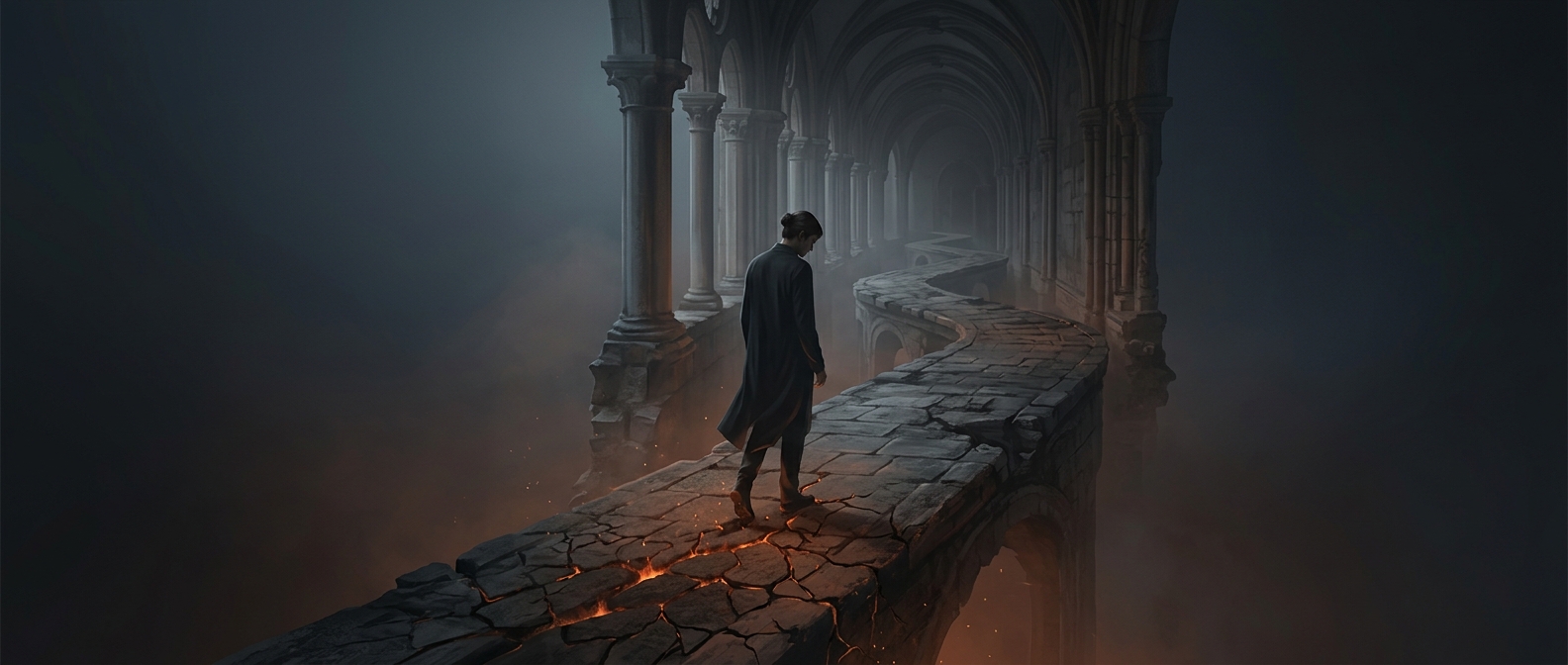
Why one bad ending can ruin a great experience
A great dinner can be remembered as a bad one if the final course is a disaster. Memory gives special weight to emotional peaks and endings, then uses those…
Discover more
Solo travel is voluntary geographical isolation
On a solo trip, the distance from home is part of the point. With no companion setting the schedule, every meal and detour becomes your call. Being…
Discover more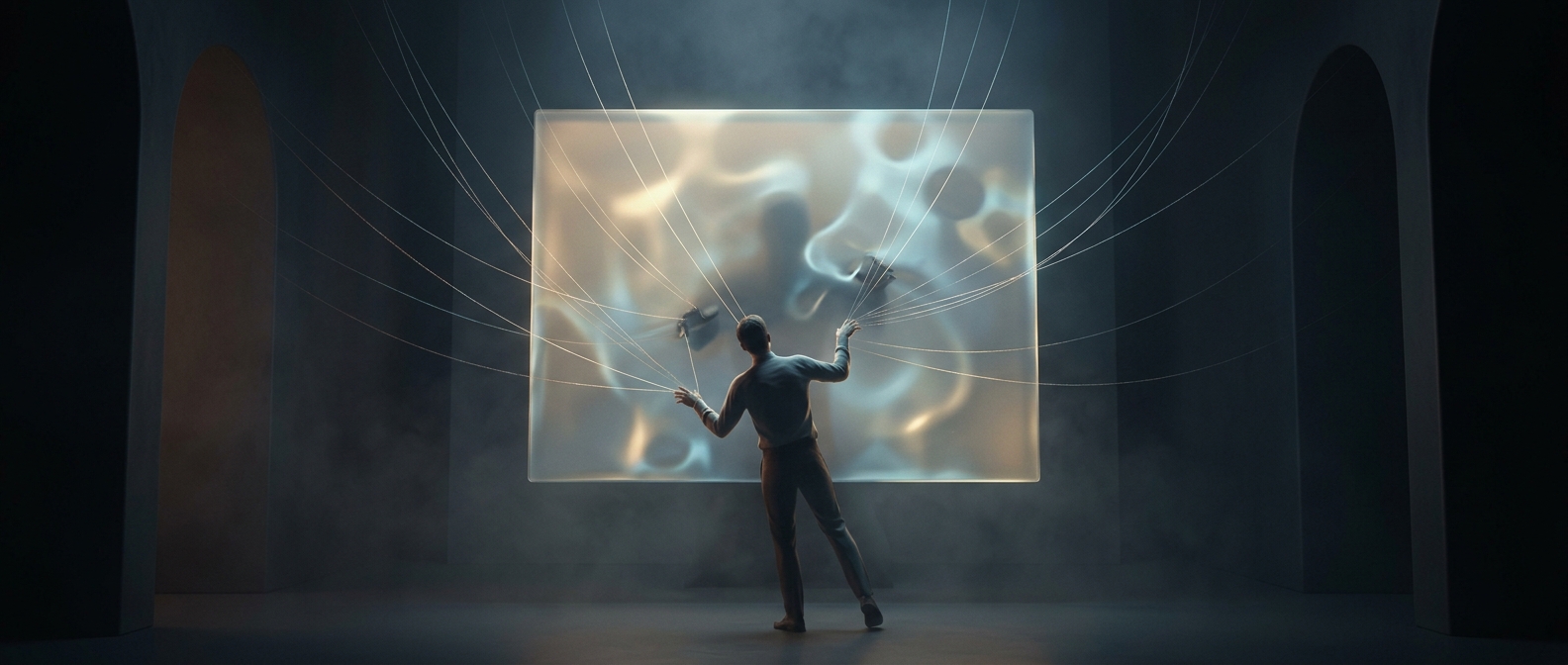
Fake agreement is used to manipulate reactions
Pretend to agree first, and other people may mistake your performance for evidence that everyone agrees. That social proof can nudge them to echo you, turning…
Discover more