How a Drink Can Set a Social Script in Motion
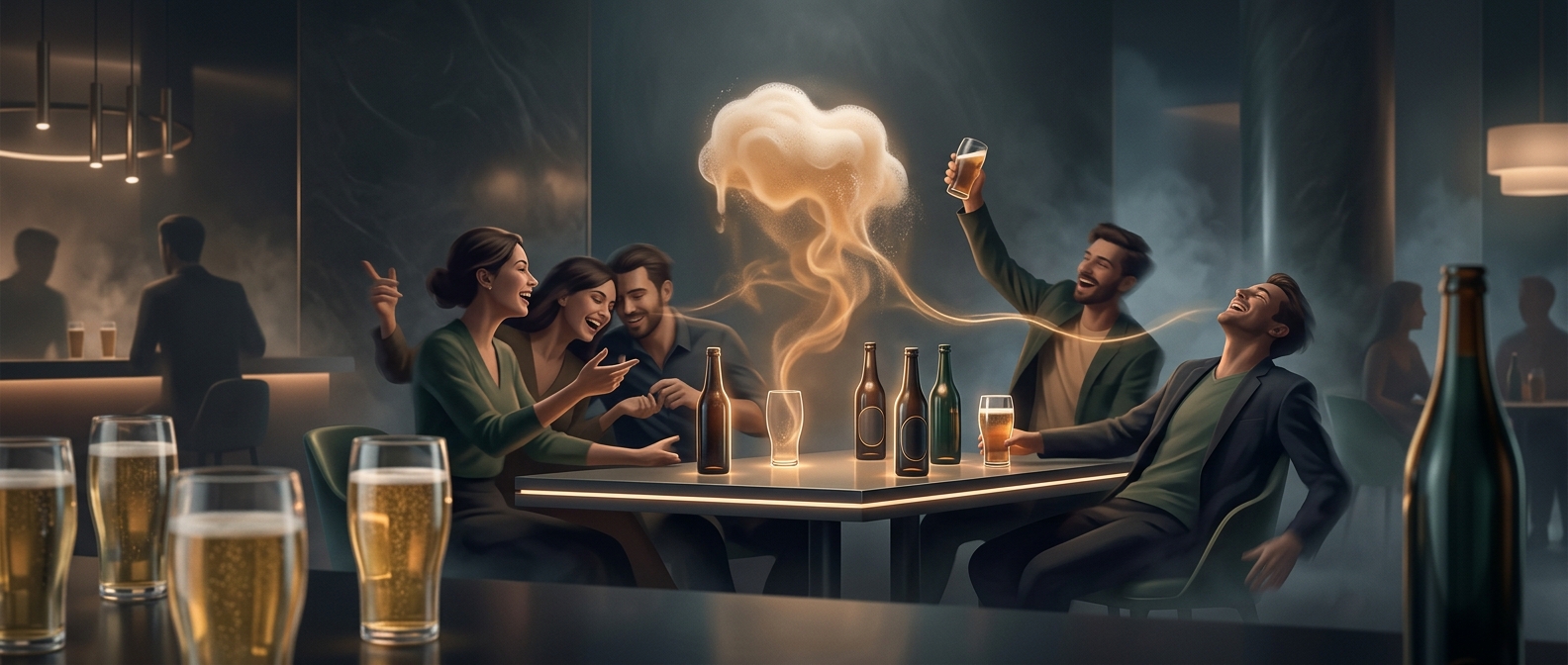
A familiar beer does more than deliver a flavor. Holding a bottle, taking a sip, and joining others who are drinking can signal that the occasion is relaxed and that ordinary restraints may loosen. That signal can shape behavior even when the drink contains little or no alcohol.
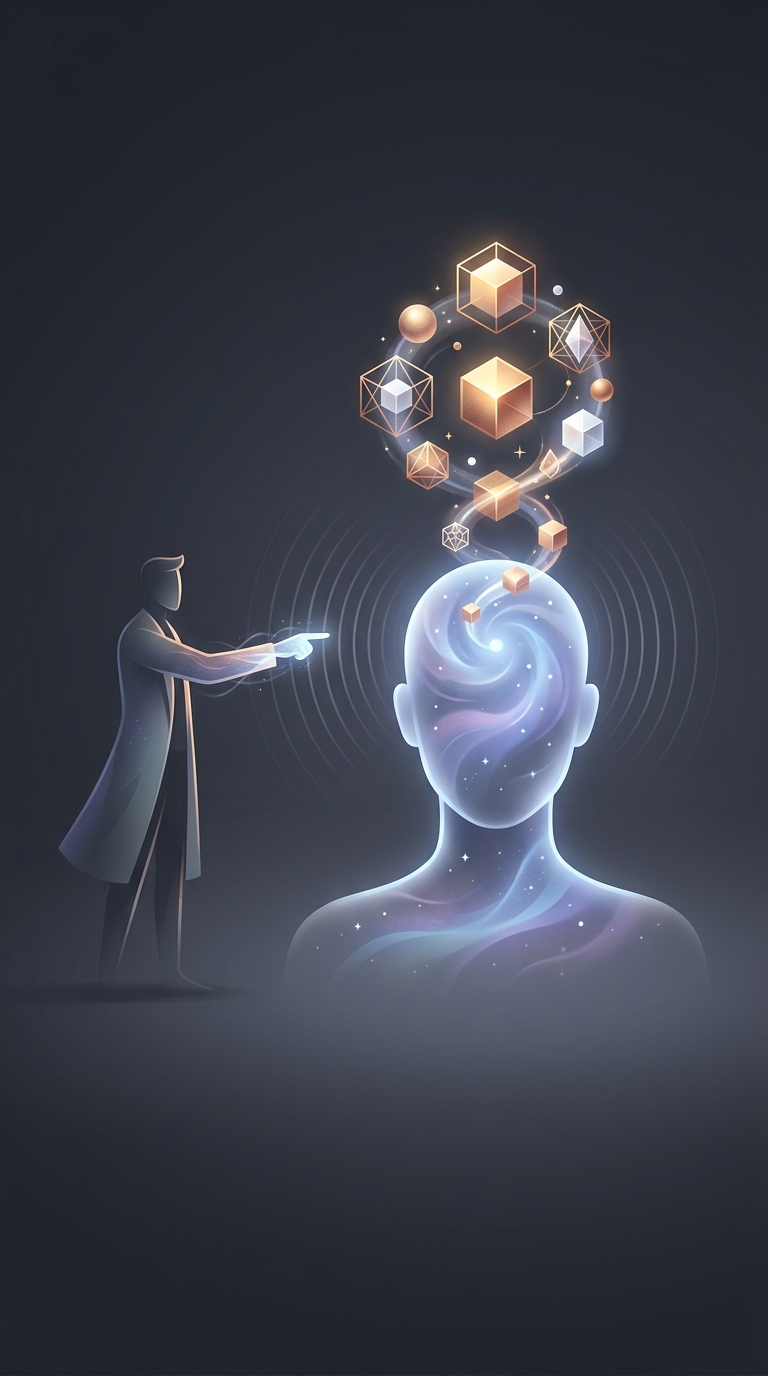
Psychologists call this expectancy: what someone believes is happening can influence what they feel and do. If a person expects beer to make them more outgoing, the taste and ritual may help bring that expectation to mind. In a group, the same cues can also make joking, speaking up, or acting more casually seem appropriate. The behavior is real, but it is not the result of alcohol chemically impairing the brain.
The Ritual Is a Cue, Not an Intoxicant
This is not a reliable way to reproduce drunkenness. People respond differently, and a non-alcoholic drink does not create alcohol’s direct effects on judgment, coordination, or reaction time. What it can do is evoke the setting and expectations associated with drinking—much as a familiar song can bring back the mood of a particular occasion.
The distinction matters because “non-alcoholic” products may differ in whether they contain any alcohol at all. The label and the drink’s actual contents determine whether there is alcohol exposure; the social ritual alone does not establish intoxication.
So someone may seem looser after a non-alcoholic beer because the scene invites a familiar kind of behavior. The bottle can cue the party; it cannot, by expectation alone, reproduce alcohol’s effects on the body.