How a pill with no drug can still matter
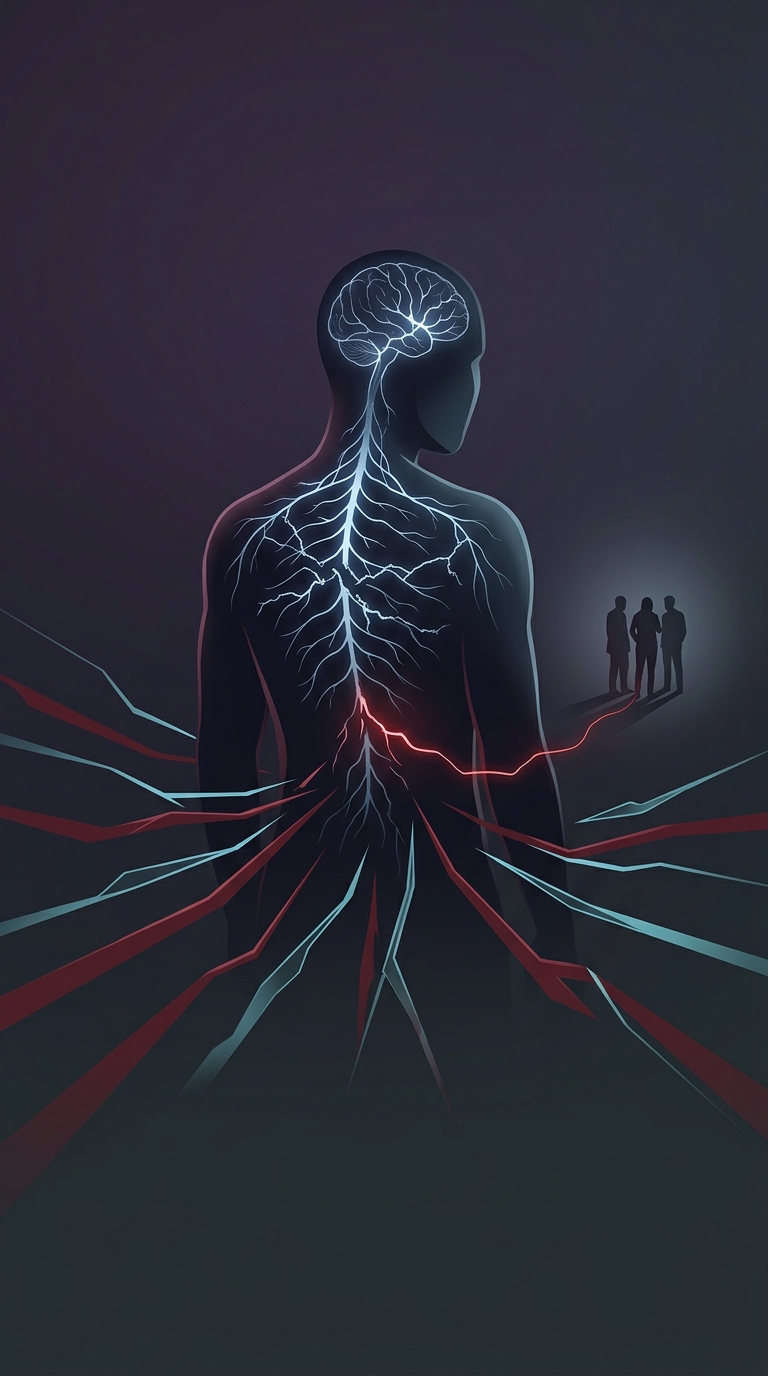
Pain is not a simple readout of tissue damage. The brain combines signals from the body with attention, emotion, memory, and expectations to shape how intense pain feels. That does not make pain imaginary: it means the experience can change even when the injury or underlying condition has not.
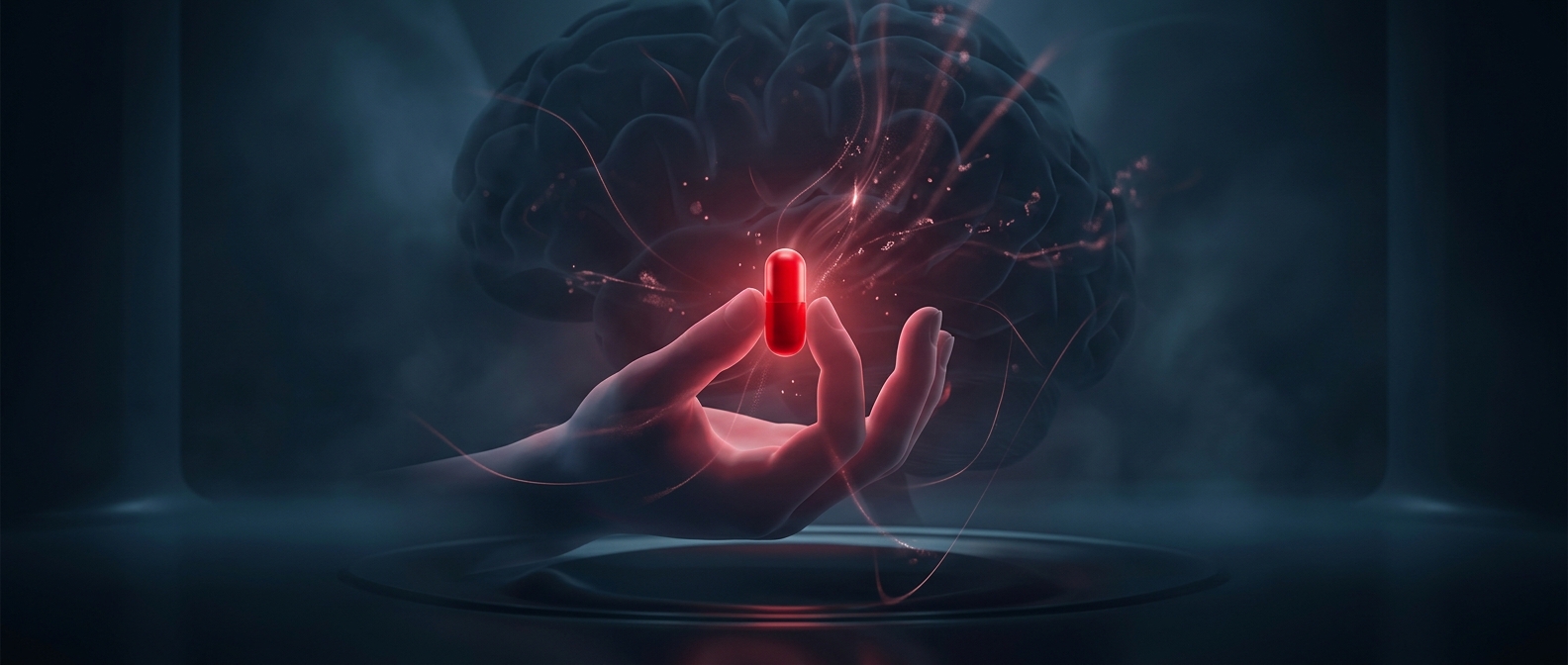
A placebo may act as a cue. Swallowing a pill in a setting associated with care can prompt the brain to anticipate relief. That expectation can alter how incoming pain signals are processed, including through the body’s own pain-regulating systems. The pill supplies no medicine; the surrounding meaning and routine are what may influence the experience.
Why knowing the truth doesn’t necessarily cancel the effect
A person does not have to believe the pill contains a drug for the ritual to carry meaning. The act can still signal, “This is a moment when I’m receiving care,” and that cue may shift attention or expectations. If the routine has previously accompanied relief, learned associations can reinforce the response, even when the person knows the pill itself is inactive.
The effect is not guaranteed, and it does not show that every kind of pain can be managed this way. It is better understood as a possible influence on the felt intensity of pain, not as treatment of its cause. The striking implication is that honesty and helpful context can coexist: a clinician can disclose that a pill is inert while the act of taking it still gives the brain a cue to ease its response.