Your brain reads the body before the story
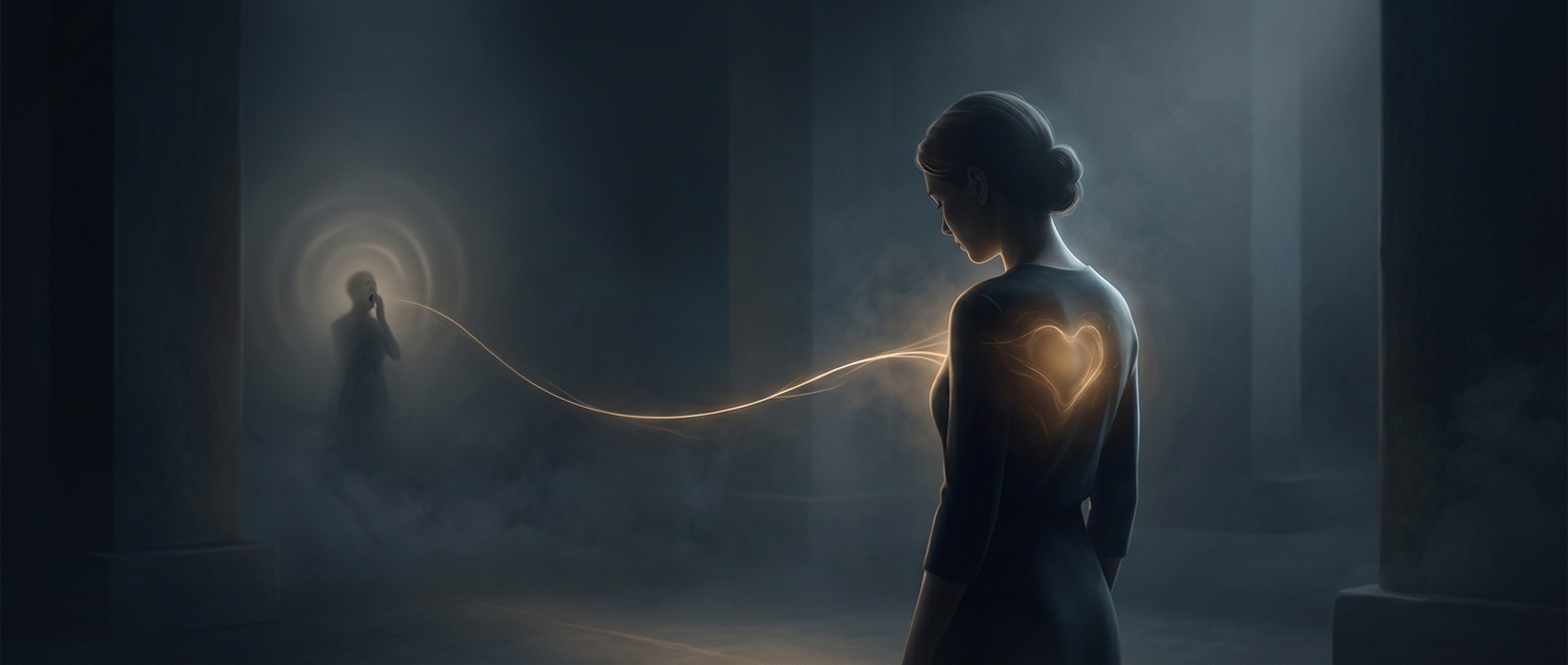
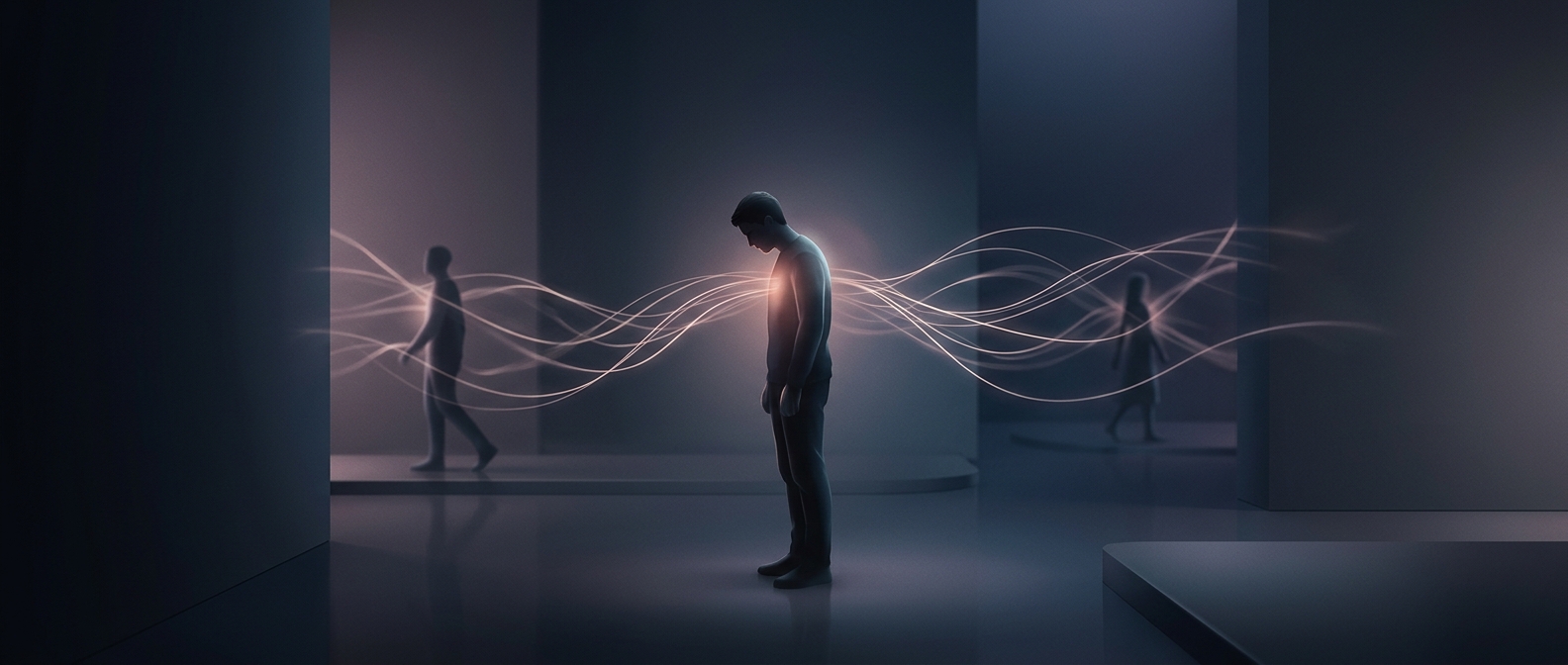
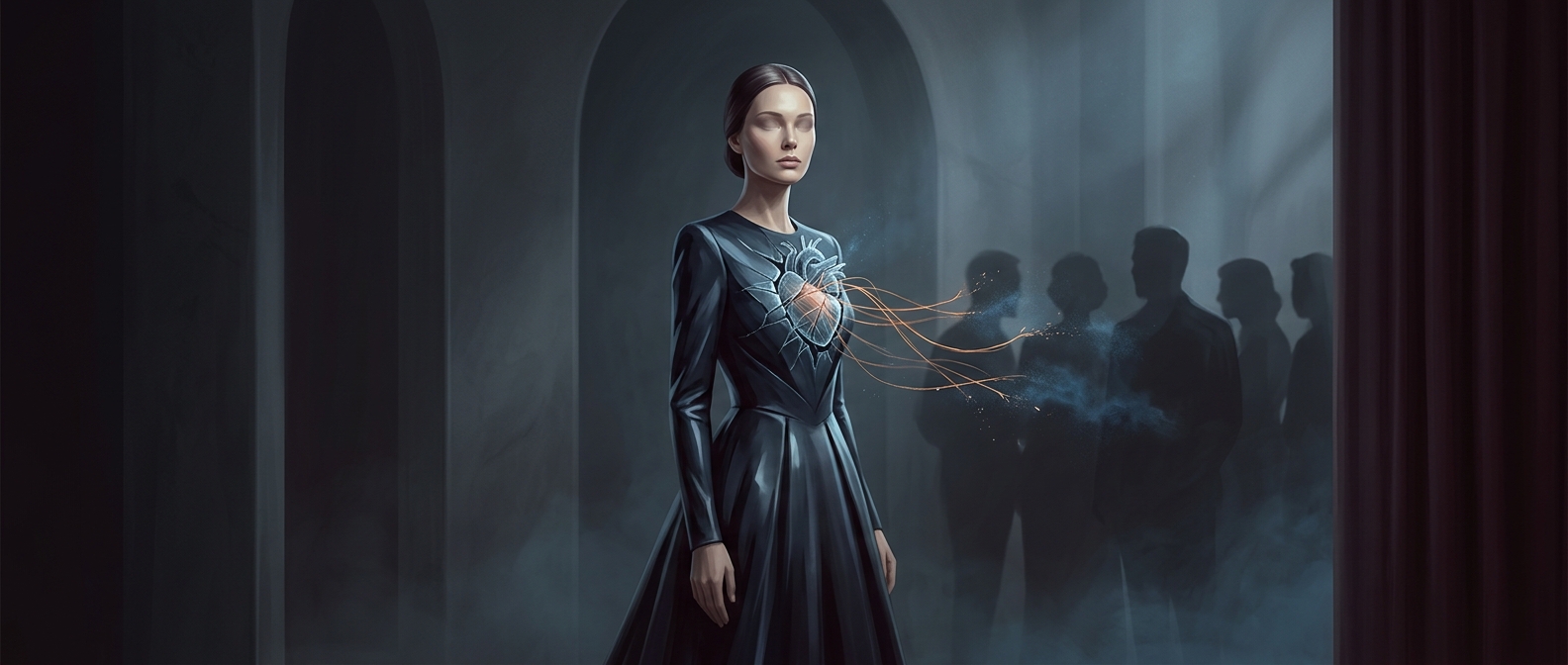
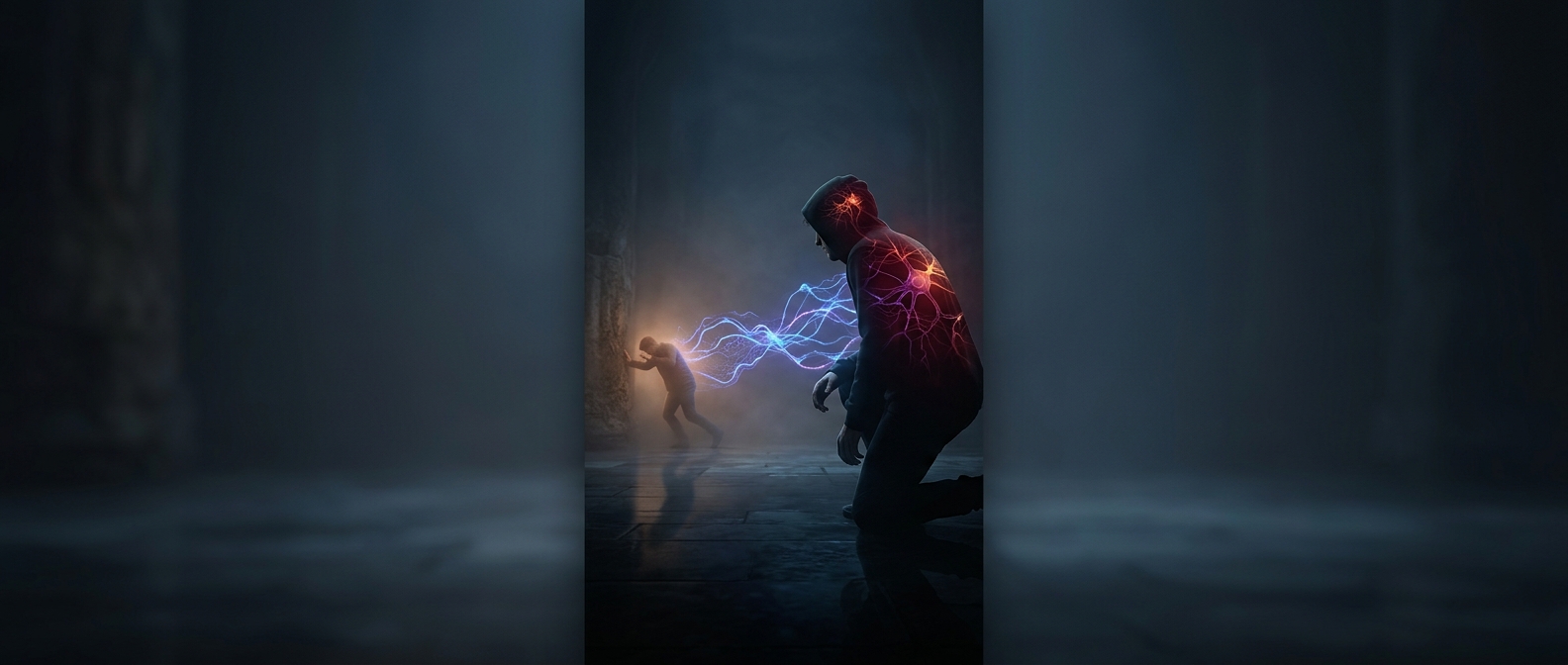
A sudden impact gives you more than a description of pain. You see a hand jerk, a face tighten, or a body recoil—signals your own nervous system has learned to associate with injury. The brain rapidly combines those cues with memories of what similar movements feel like. That rough, quick reconstruction can make your own muscles tense before you have consciously decided what happened.
Researchers often describe this as shared processing: some brain systems involved in responding to another person’s pain also participate when you feel pain yourself. But watching an injury does not simply reproduce the other person’s sensation in your body. Your brain is interpreting visual evidence and making a prediction, not receiving a direct copy of someone else’s pain.
A flinch is preparation, not proof of pain
The wince is part of a broader response that readies the body for possible danger. If a door slams on someone’s finger, you may pull your own hand back or tighten your shoulders. Such reactions are fast and largely automatic; they can begin while the scene is still being understood. In that sense, the brain’s imagined sensation is useful: it helps connect what you see with the kinds of harm you might need to avoid.
The response also depends on context. A convincing injury scene may provoke a stronger reaction than a clearly staged one, and people differ in how strongly they respond. Attention, familiarity, and the relationship between observer and injured person can all shape what the scene means to the viewer.
That is why a brief glimpse—a finger caught in a door, for instance—can make you recoil even when you are nowhere near danger. Your body is reacting to a prediction about what the sight could mean, not to an injury it has actually received.