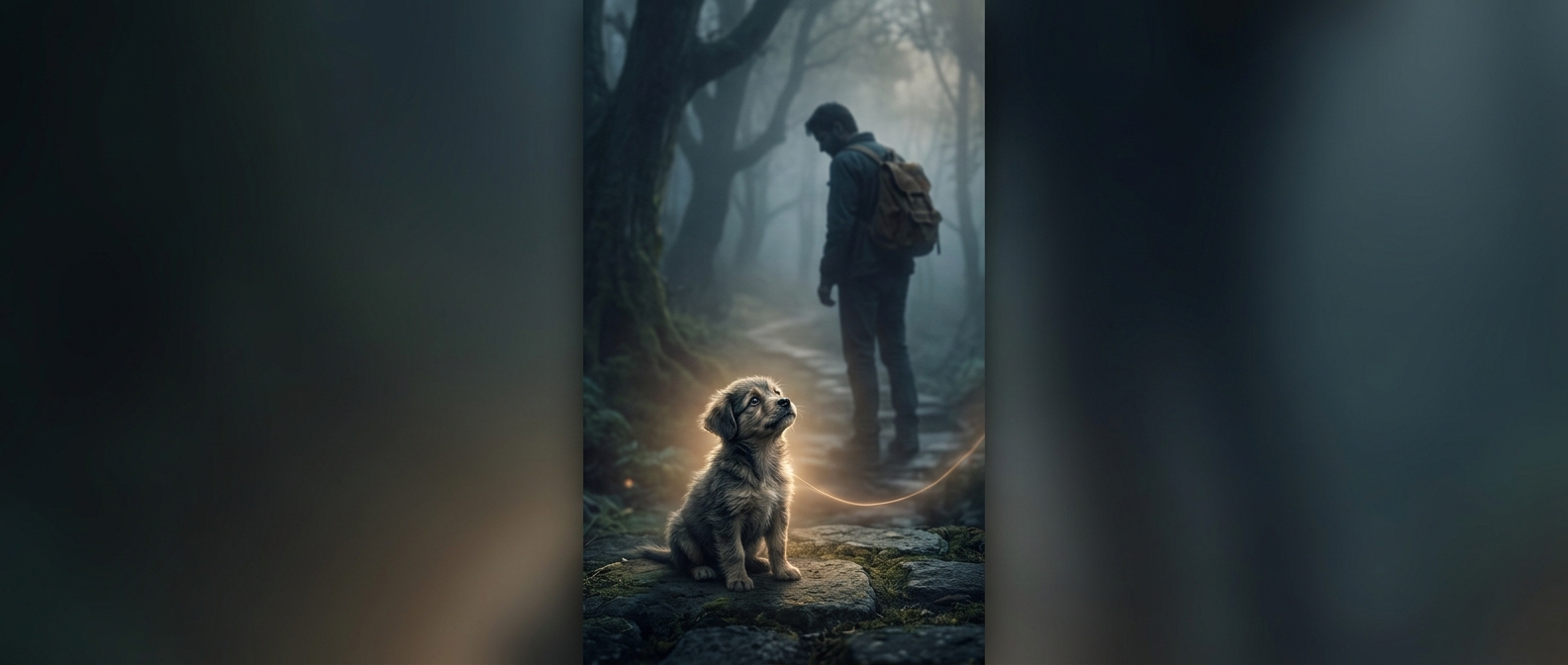
The face is processed before the story
A rounded head, large eyes, and small features can fit a pattern psychologists often call baby schema: a cluster of traits that people tend to perceive as infant-like. The pattern matters because faces are not just things we look at; they help us quickly judge whether someone may need care. When a face resembles a very young child, attention can shift toward its apparent vulnerability before we know anything about the individual.
That first impression is not a considered conclusion. It is a fast reading of visual cues, closer to “this may need protection” than to a deliberate assessment of who deserves help. A person’s need, by contrast, may be harder to read from appearance alone. An adult might conceal distress, behave in ways that seem composed, or need to explain what is wrong before a bystander recognizes the situation.
Why the feeling can arrive so quickly
Caregiving involves more than noticing distress. It can also produce an urge to approach, protect, or soothe. A face that suggests dependence may make those possible actions feel immediately relevant: the viewer sees a small, apparently helpless being and imagines a simple response, such as picking it up or checking that it is safe.
This helps explain why emotional reactions can differ even when the underlying need is comparable. The response is shaped partly by how clearly need is signaled, not just by how serious it is. A grown man may be in real trouble, but if his distress is not visible, the observer has less to react to in that first instant.
A cue, not a measure of need
The effect is a bias in attention and feeling, not a reliable test of who is suffering most. Baby-like features can make vulnerability easier to notice; they cannot establish what a person or animal needs, or whether help is appropriate. The practical consequence is worth remembering: what moves us fastest is not always what most needs our attention.