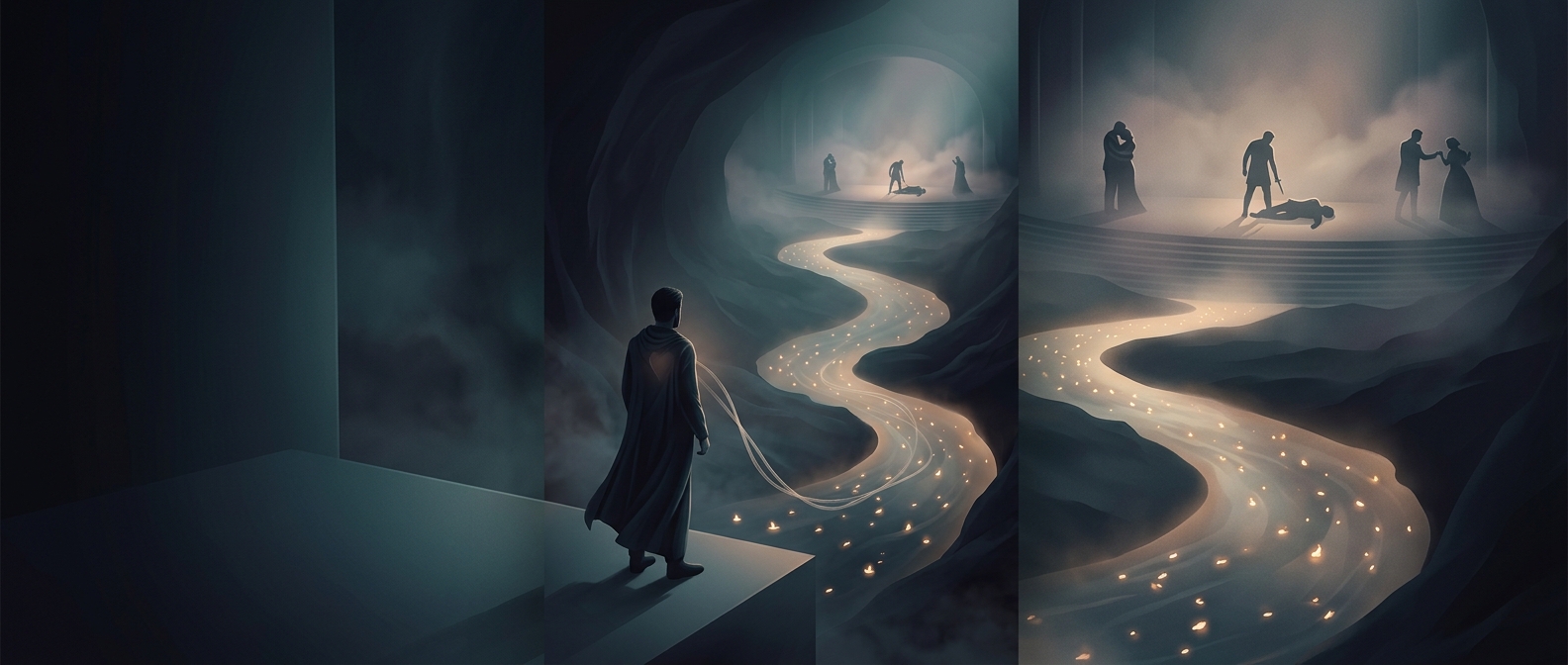
Why fictional sadness can feel safe
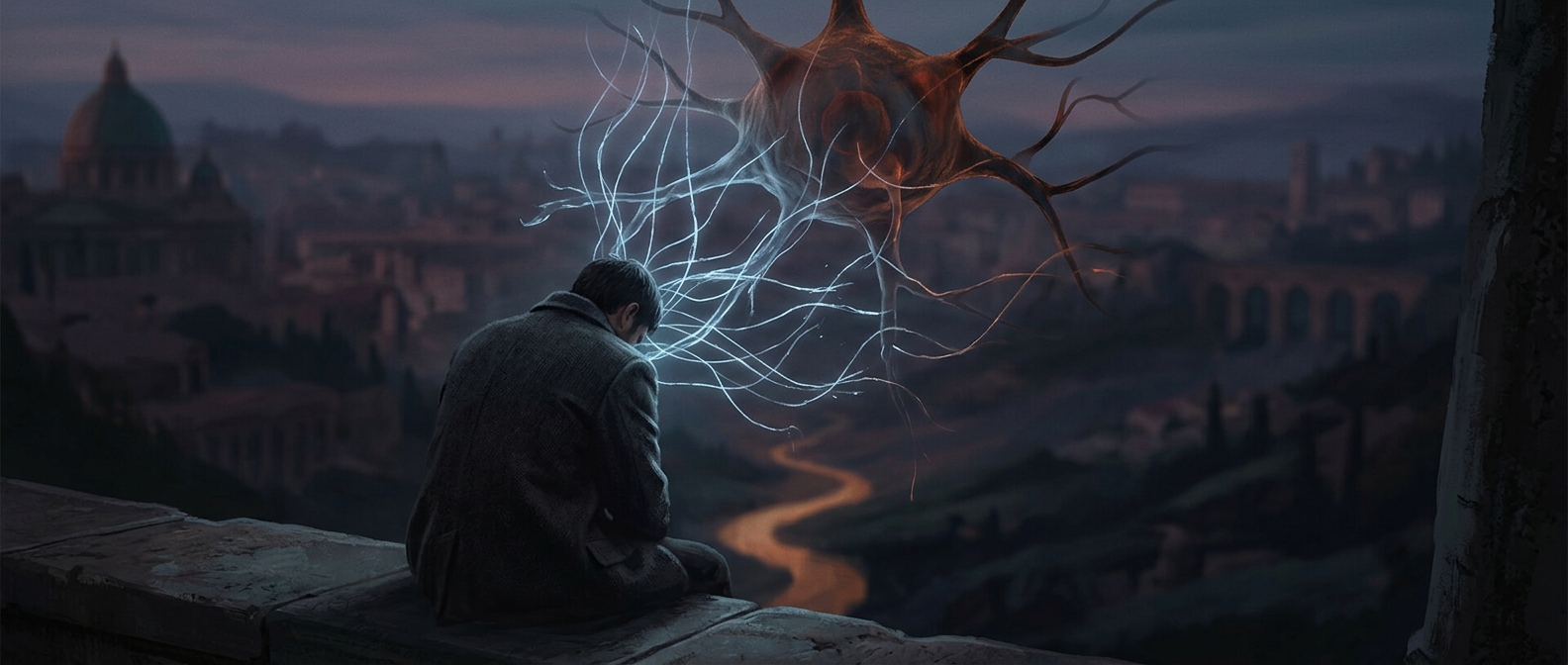
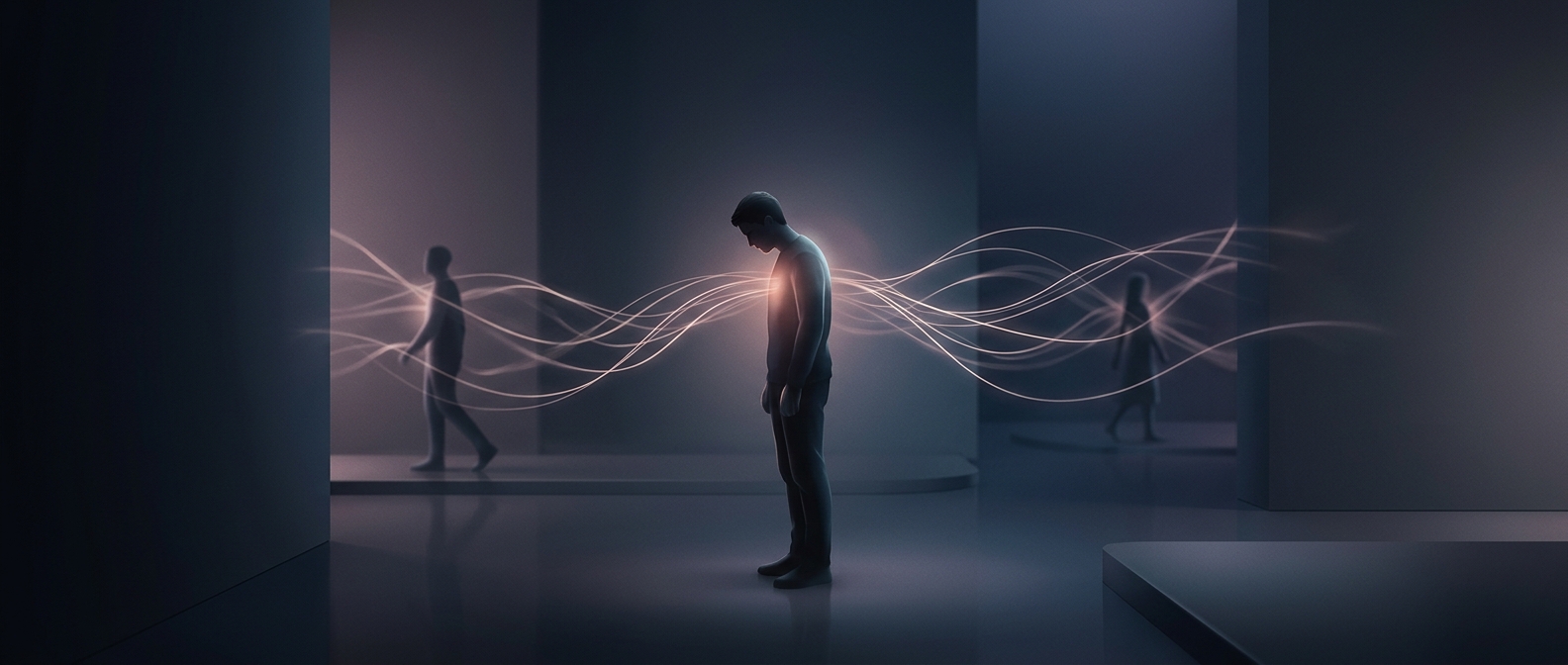
A sad film activates some of the same emotional responses as real loss: a lump in the throat, tears, or a sense of longing. But the viewer also knows the events are part of a story. That knowledge creates emotional distance—enough involvement to feel the characters’ pain, with enough separation to recognize that no immediate danger is unfolding in the room.
The frame matters. A movie has a beginning and an ending, and the viewer can pause it, look away, or leave. Real grief offers no such boundary. In a theater or on a couch, sadness can arrive inside a setting that still feels physically secure.
The story gives emotion a shape
Fiction can make difficult feelings easier to approach because it organizes them into a sequence: a character suffers, responds, and reaches some kind of ending. The viewer can follow that arc without having to solve the character’s problem or explain their own feelings. Even when the ending is tragic, the film’s structure can provide a small sense of completion: the experience has been held within a story rather than spilling into everyday life.
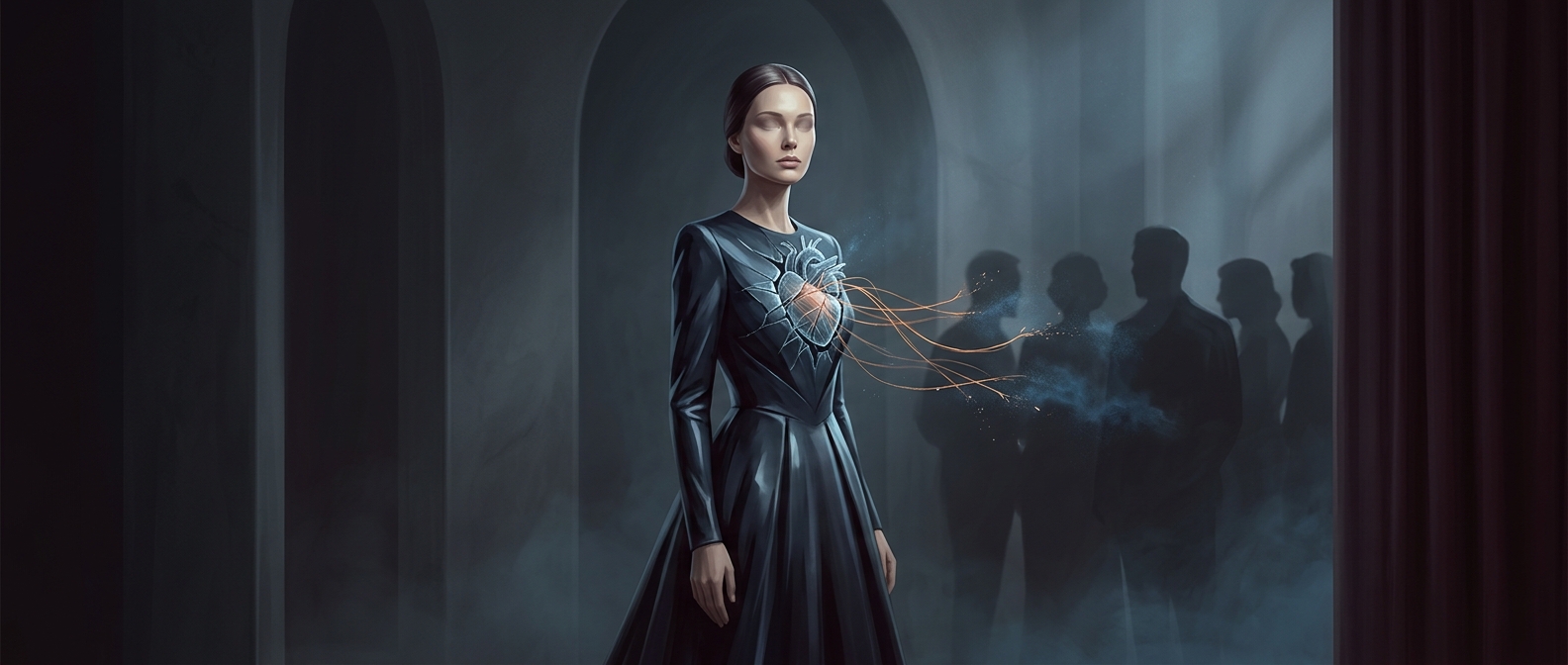
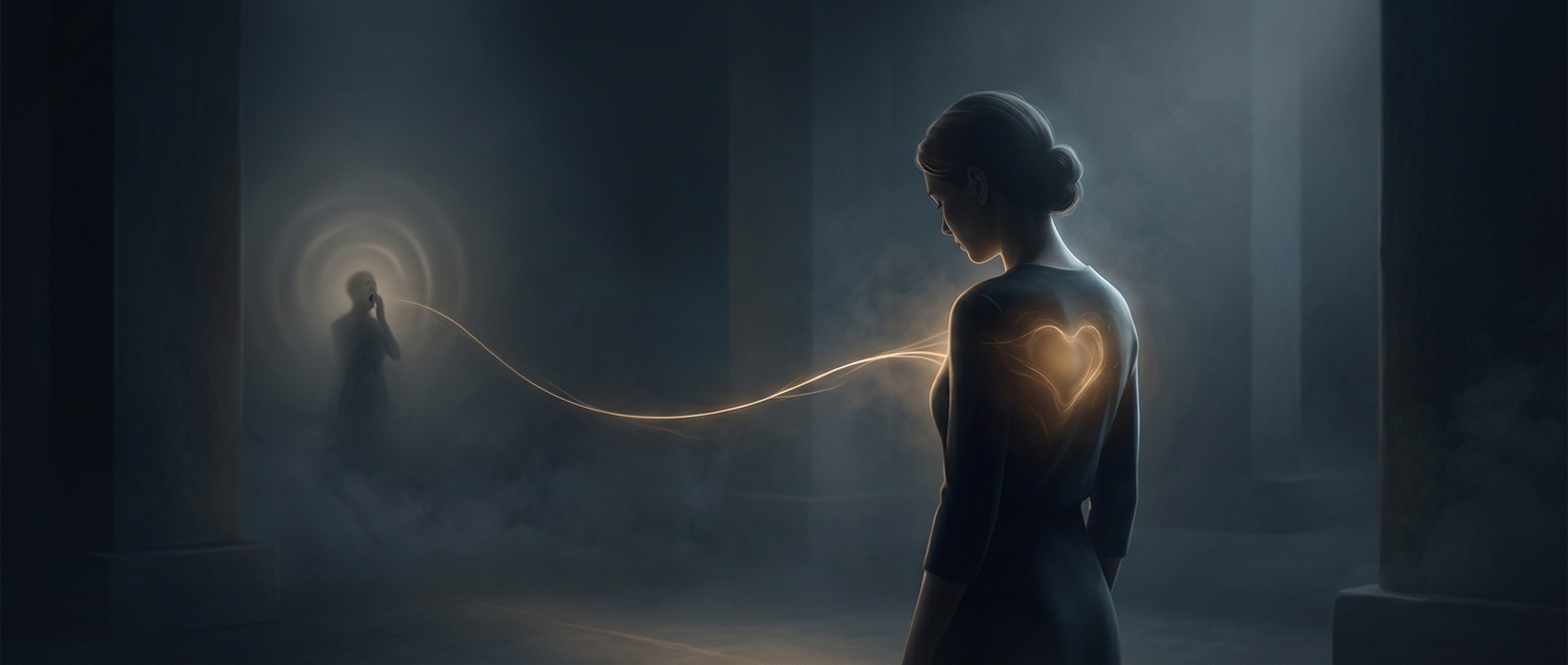
That can bring tenderness as well as sorrow. Watching someone care, endure, or say goodbye may draw attention to the importance of connection. The sadness is real, but it is tied to something the viewer values, which can make the emotion feel meaningful rather than merely painful.
Why the ending can bring relief
When the film stops, the contrast between its emotional intensity and the viewer’s ordinary surroundings becomes noticeable. The story is over; the viewer is still safe at home or among other people. That shift can feel like relief, and the tears or tension may ease as the body settles.
The comfort does not come from sadness being pleasant in itself. It comes from being able to approach a powerful feeling within limits—and then return to the present, where the fictional loss is not happening to you.