Psychology
Discover facts about psychology. Small discoveries that change the way you see familiar things.
Psychology

Why a normal sentence can suddenly look wrong
Syntactic satiation occurs when you stare at a perfectly valid sentence so long your brain declares it illegal. The grammatical processing center entirely…
Discover more
Why we fear tiny risks more than huge ones
We are spectacularly terrible at statistics. Zero-risk bias means we would rather completely fix a trivial, one-percent problem just to feel a false sense of…
Discover more
How researchers accidentally influence their own experiments
A researcher who desperately wants a specific result will inadvertently sigh, nod, or lean forward, silently tipping off the participants. Without speaking a…
Discover more
Why we prefer tiny perfect things to larger flawed ones
We would rather have a tiny flawless item than a massive one with a minor scratch. Our brains violently reject the concept of diminished value, even if the…
Discover more
What nail biting may reveal about perfectionism
Destroying your cuticles is not a sign of casual nervousness; it is a manifestation of severe underlying perfectionism. People who compulsively bite their…
Discover more
Why you research choices that barely matter
Overthinking is an entirely useless sport. Information bias is the compulsive human need to gather significantly more data than is required to make a choice,…
Discover more STACKY FOR IPHONE
A bigger world.
One discovery
at a time.
Keep discovering with Stacky. Interesting facts in an app that is always within reach.
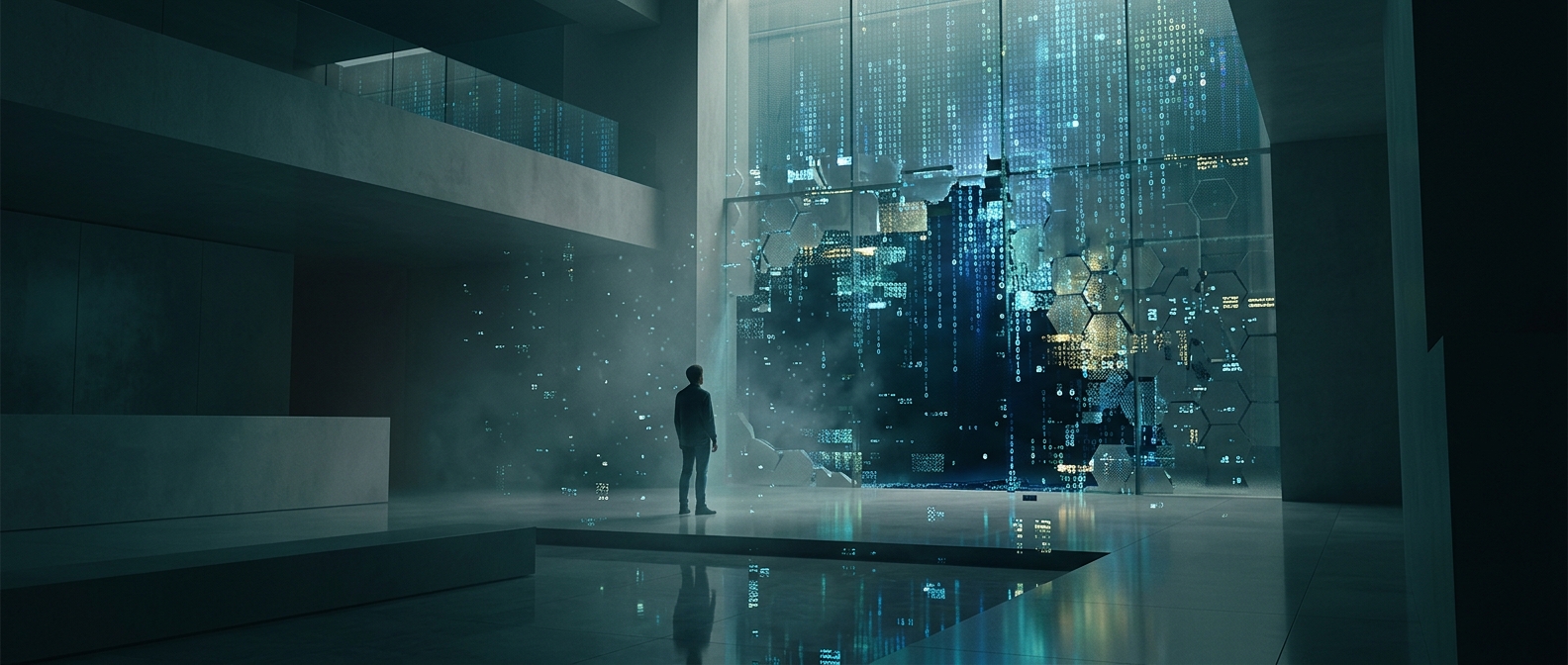
When the world around you feels fake
Forget sci-fi movies; this clinical disconnect renders the actual physical world entirely artificial. Buildings look like flat cardboard cutouts, and trees…
Discover more
Personal capabilities are heavily overestimated
The Lake Wobegon effect is a cognitive town where everybody is exceptional. It is the inescapable human tendency to overestimate one's own achievements and…
Discover more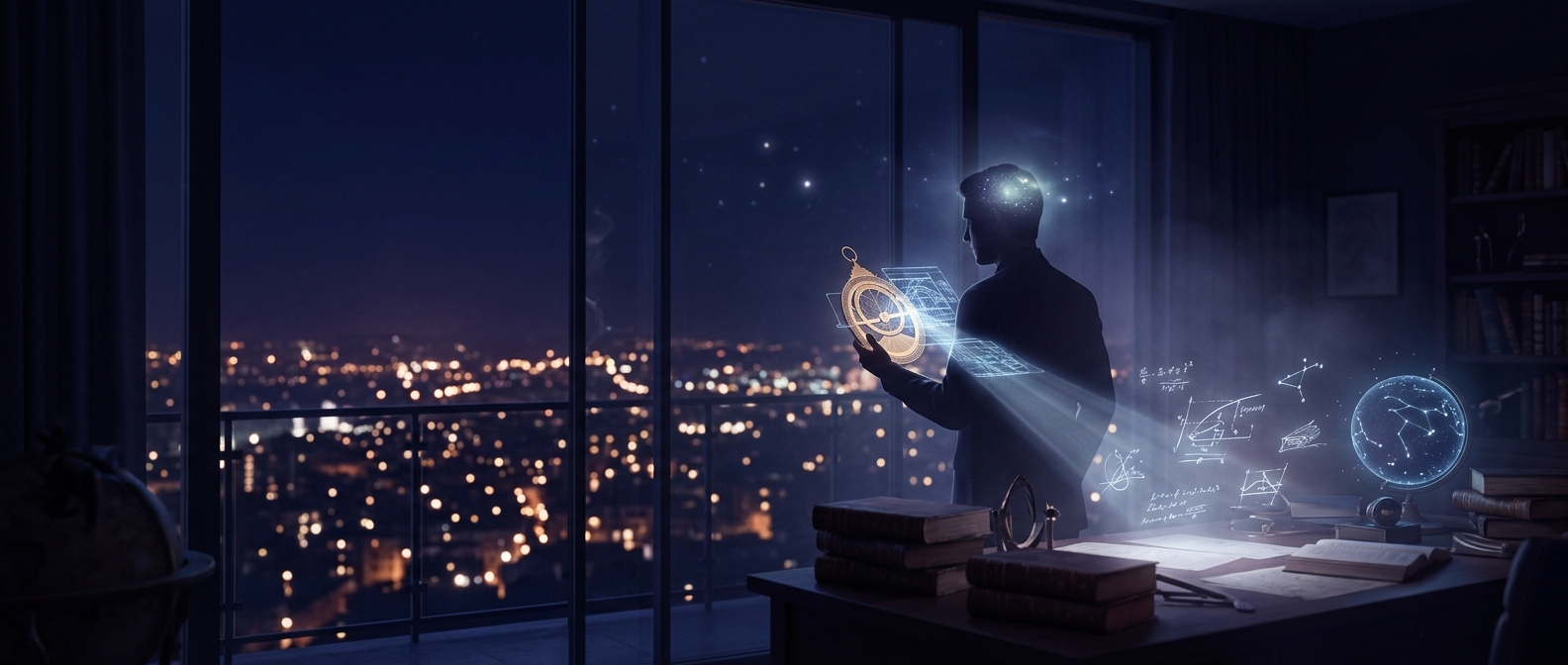
Why smarter people tend to stay up later
For all the night owls getting lectured by early birds, revenge is sweet. Evolutionary psychology suggests that intelligent people are statistically more…
Discover more
Why an audience can make easy tasks easier
Having people watch you do something simple gives you an immediate boost in speed. Our primal urge to show off kicks in, making mundane activities weirdly…
Discover more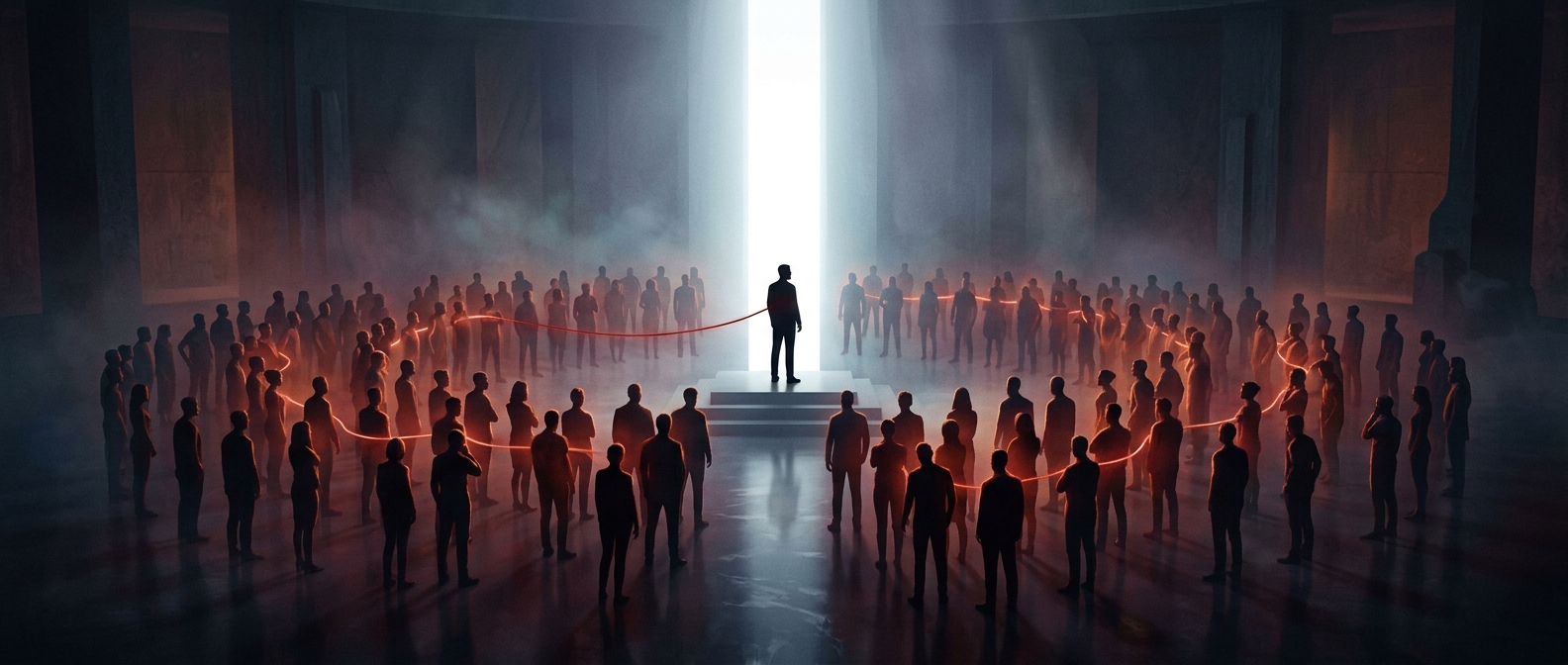
How one stubborn person can sway a whole group
A solitary individual who violently refuses to budge can frequently force an entire massive group to completely alter their stance. If the dissenter remains…
Discover more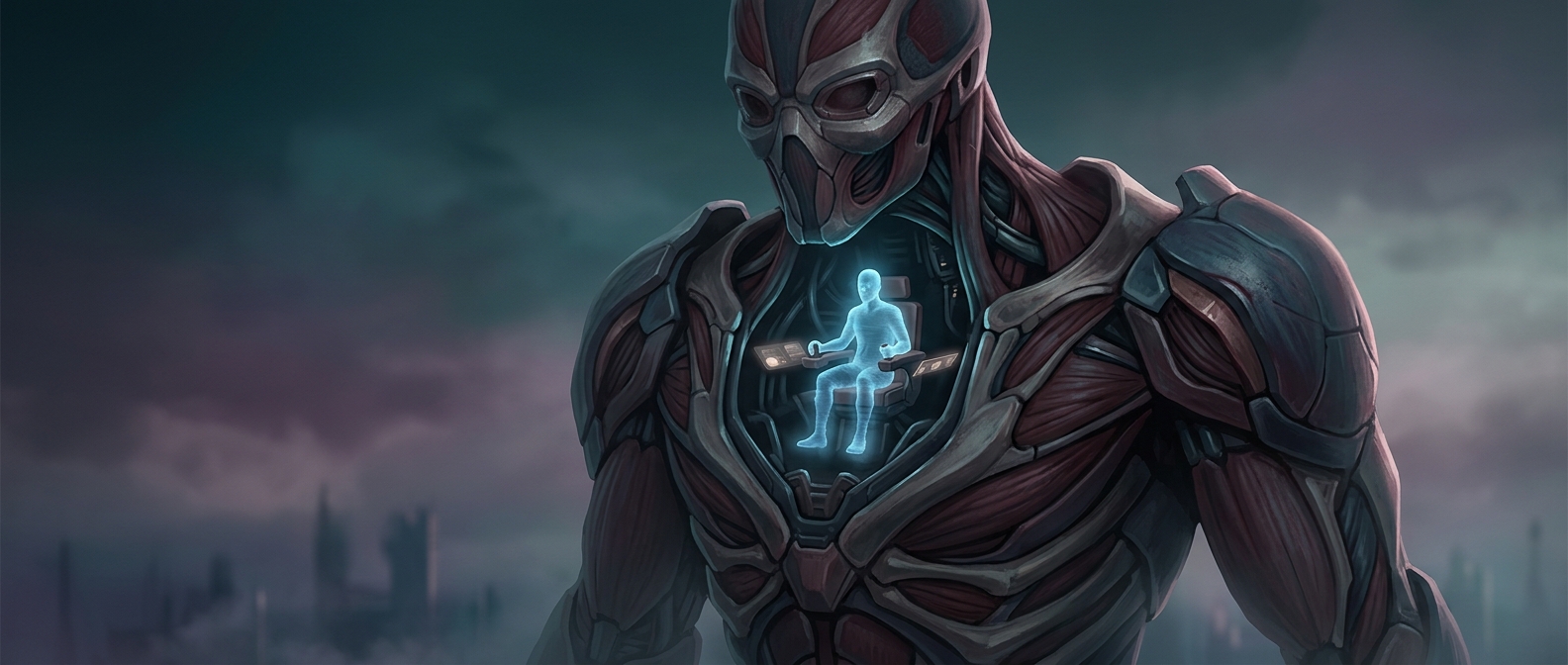
When your body starts to feel like a machine
When extreme stress breaks the tether between self and biology, patients enter a terrifying observer mode. They look down at their own hands and firmly…
Discover more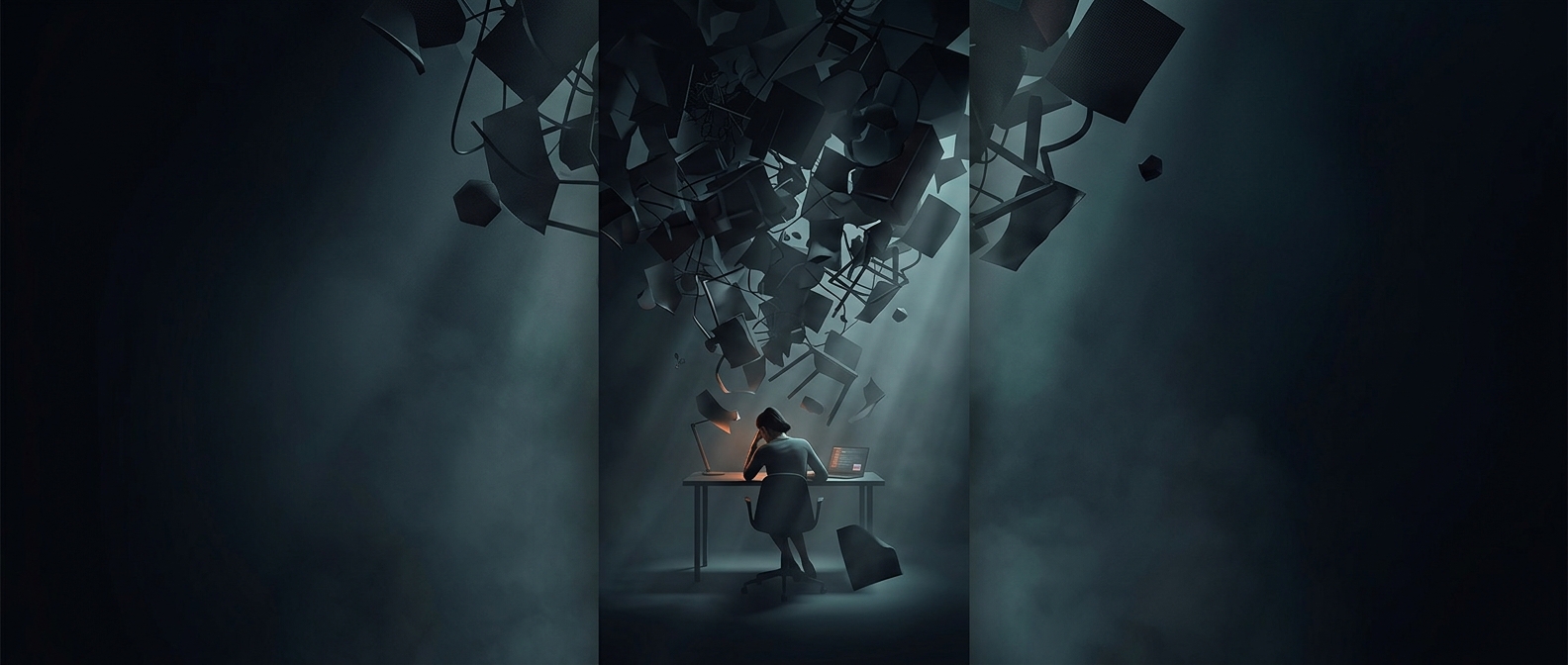
How clutter may raise your cortisol
That messy desk is actively poisoning you. Visual clutter bombards the brain with excessive stimuli, preventing the nervous system from ever achieving a…
Discover more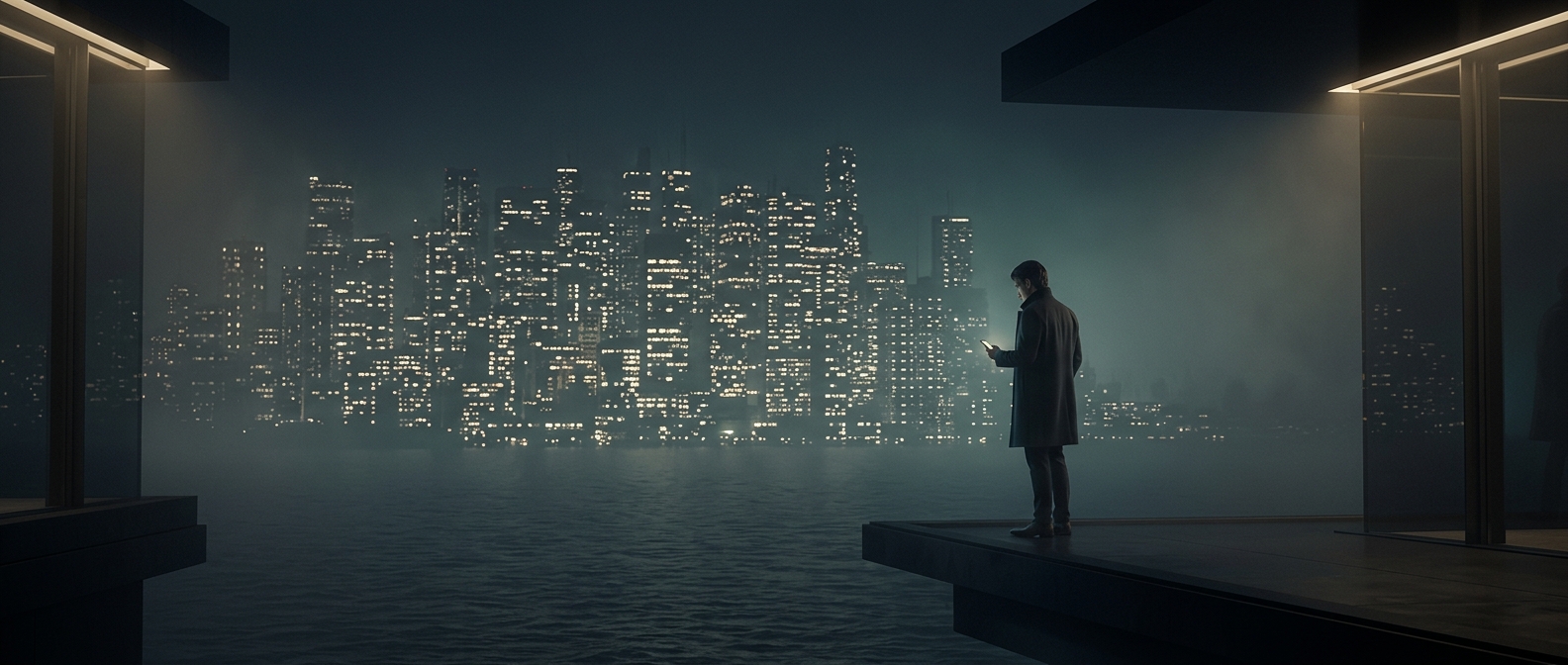
Why endless dating options can make choosing harder
Ah, the Paradox of Choice, ruining modern romance one swipe at a time. You would think that having ten thousand singles in your area would make finding love…
Discover more
Why you don't remember being a baby
Dropping a toddler is bad, but at least they won't log it in their permanent record. The hippocampus is simply too underdeveloped in the first few years of…
Discover more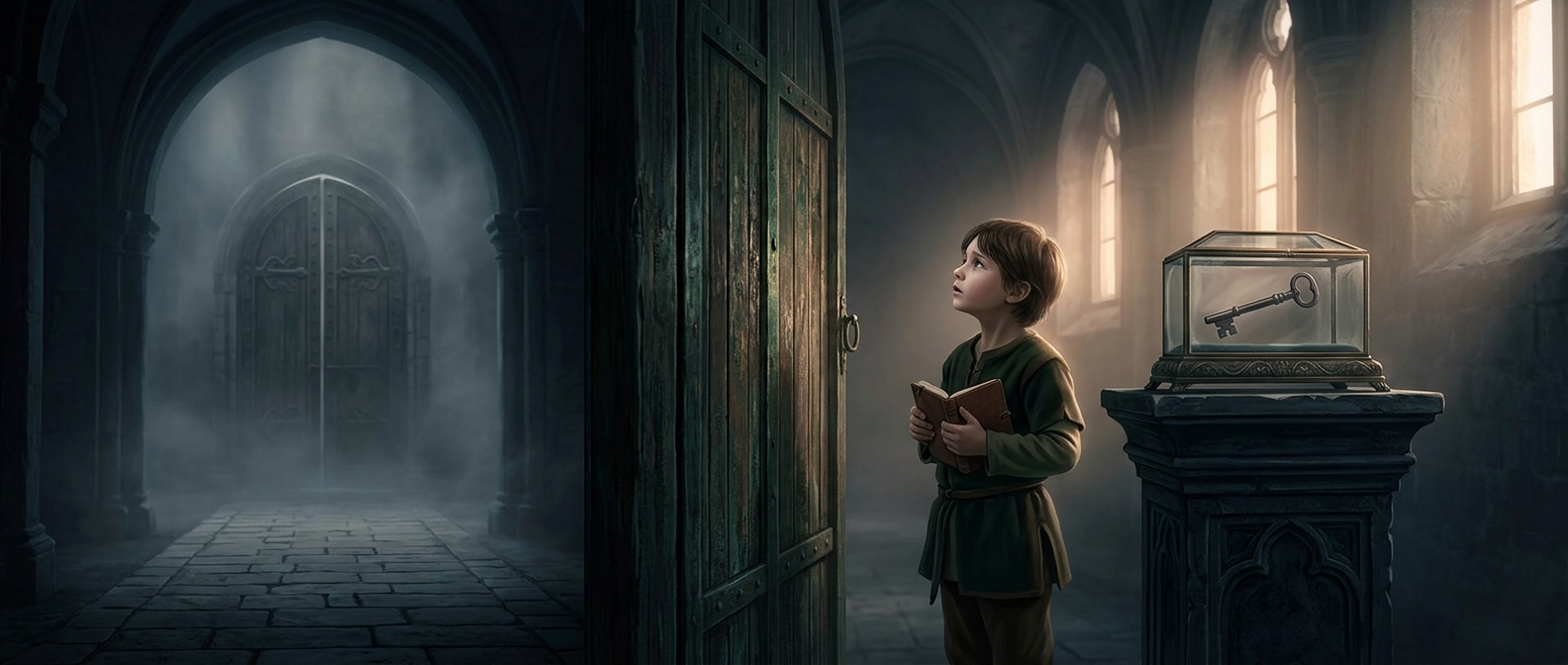
Why calling a child smart can make failure scarier
Telling your kid they are a natural genius is a fantastic way to ruin their life. Praise based on inherent traits creates a fixed mindset, meaning the child…
Discover more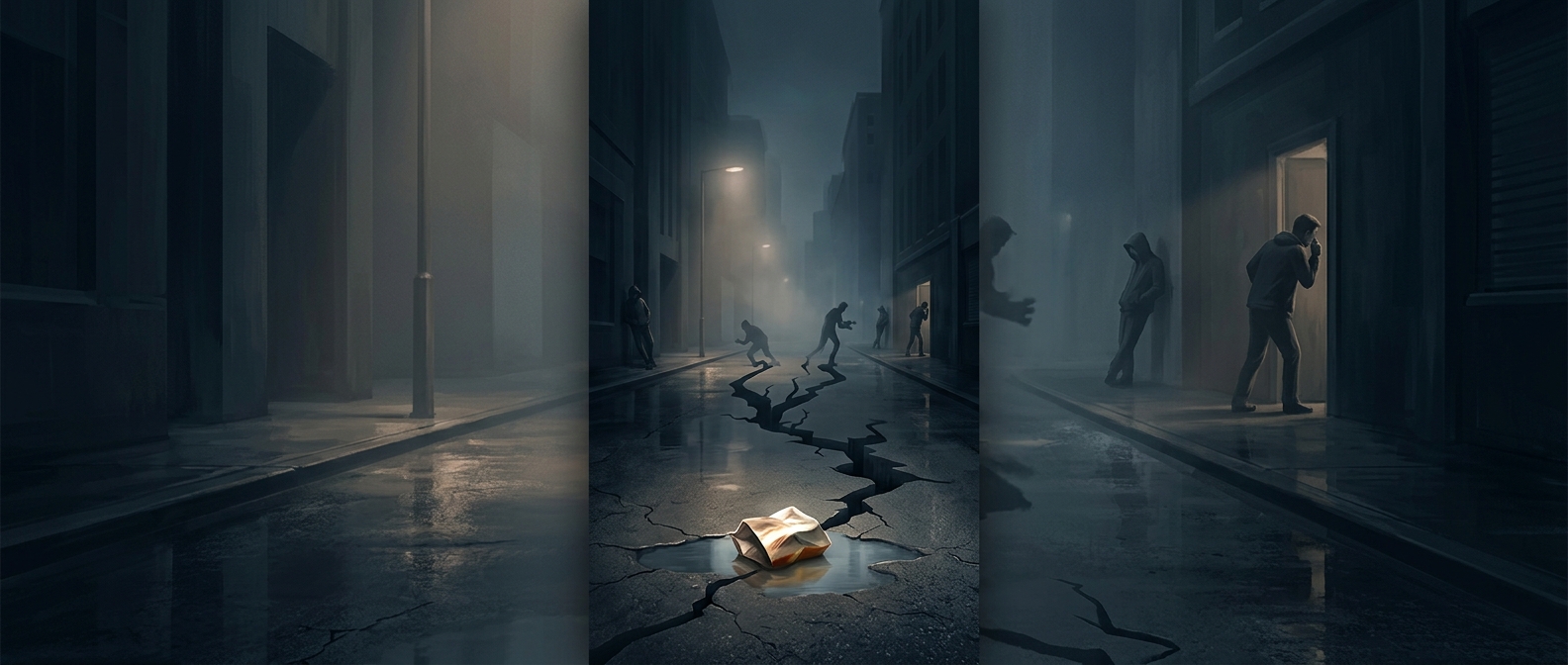
How one piece of litter can change how people behave
It only takes a single piece of trash to destroy civil society. The broken window theory suggests that visible signs of minor disorder, like graffiti or a…
Discover more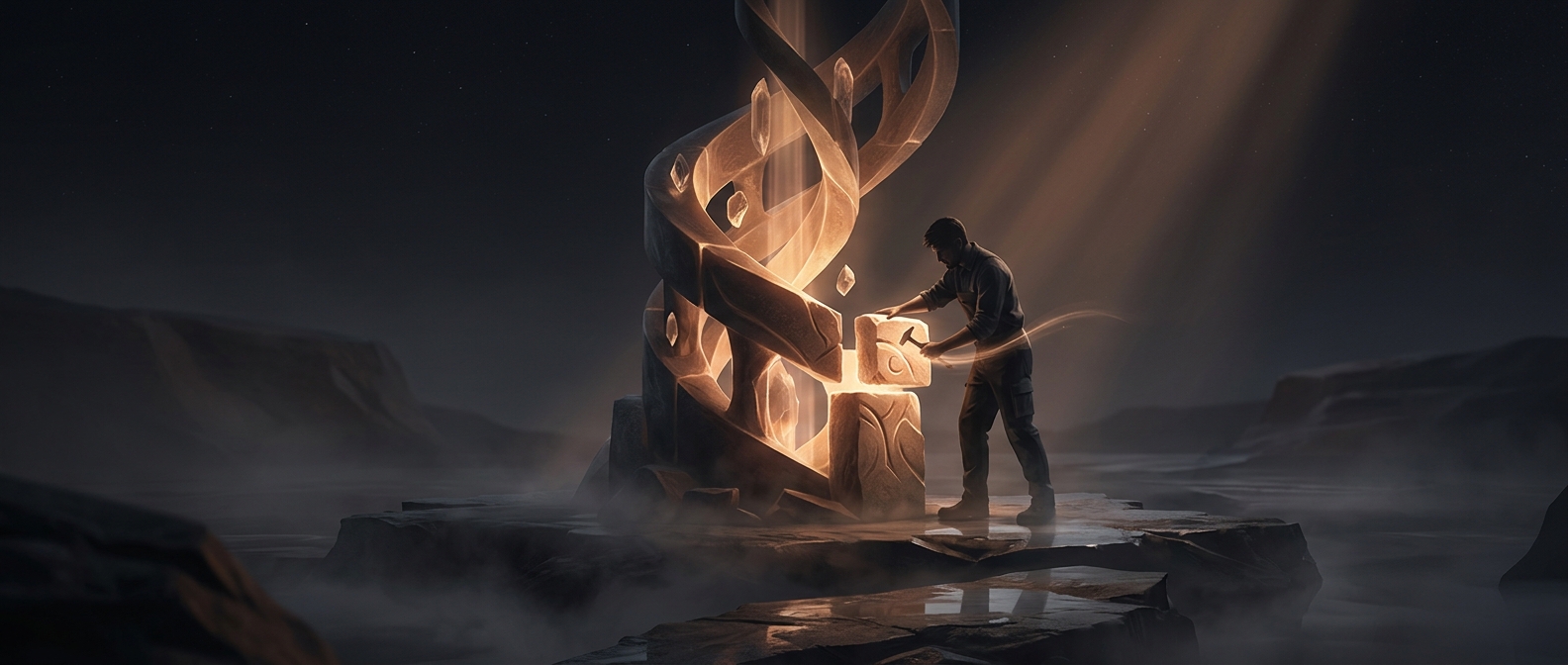
Intrinsic motivation makes you exert effort for zero reward
You actually do extremely difficult tasks just because you want to, which sounds completely fake. Unlike normal biological drives that require a bribe, this…
Discover more
Procrastination is often about avoiding bad feelings
Welcome to the ultimate excuse for your impending deadline doom. Procrastination isn't actually a time-management issue; it's a profound inability to regulate…
Discover more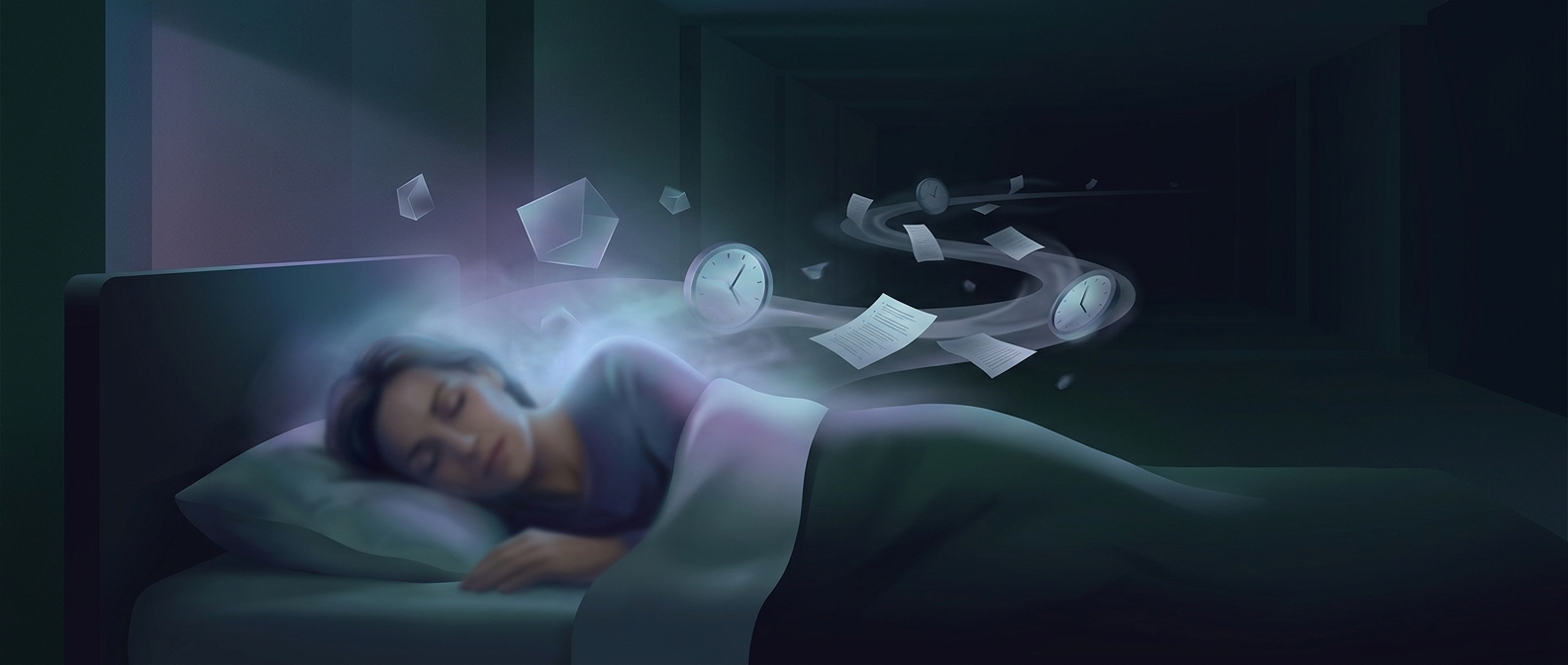
Why adults still dream about failing exams
You are 35 years old and suddenly you are failing a high school math final you didn't study for. The education system traumatized you so efficiently that your…
Discover more
Why flirting often looks like teasing
The peak of human romantic courtship is essentially reverting to a playground bully. We showcase our intense desire by playfully mocking the object of our…
Discover more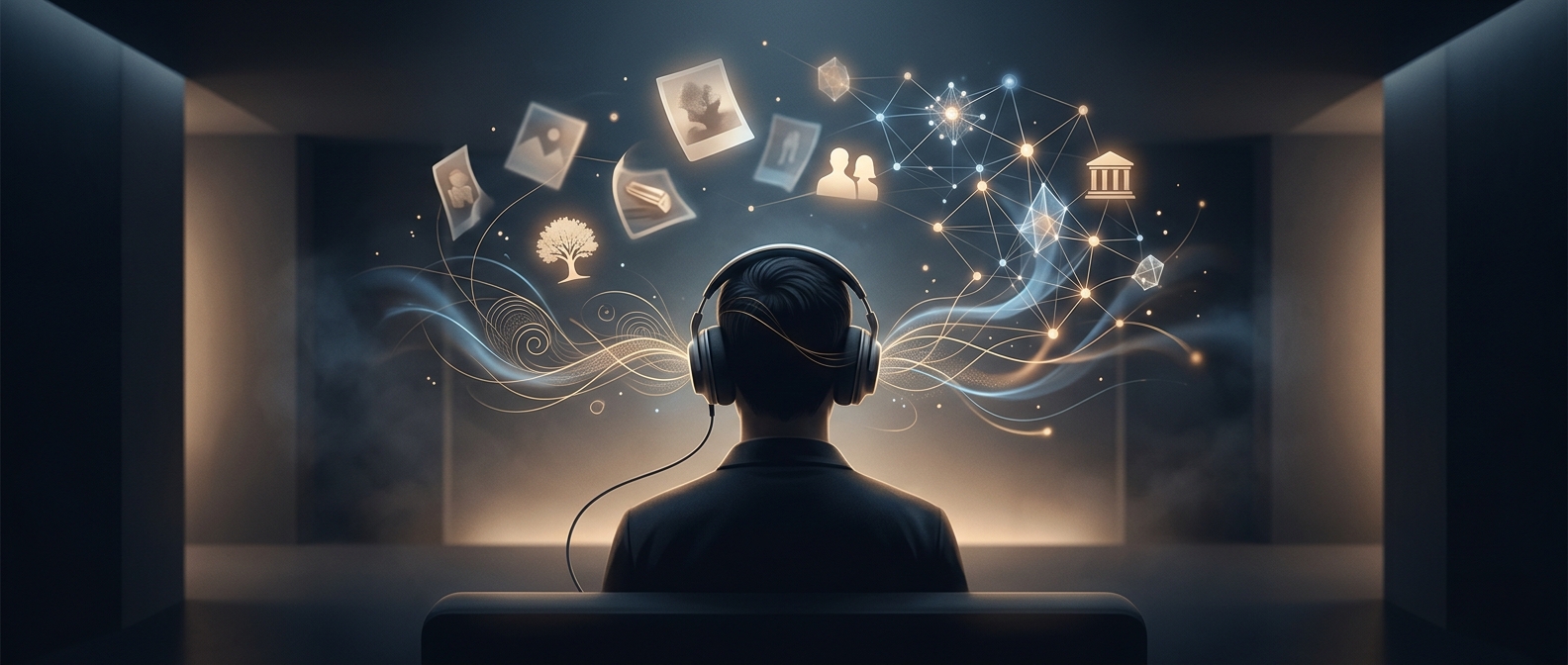
Listening to music enhances memory encoding
Blasting your favorite playlist while studying isn't just a distraction technique. Moderate auditory stimulation heavily activates emotional centers in the…
Discover more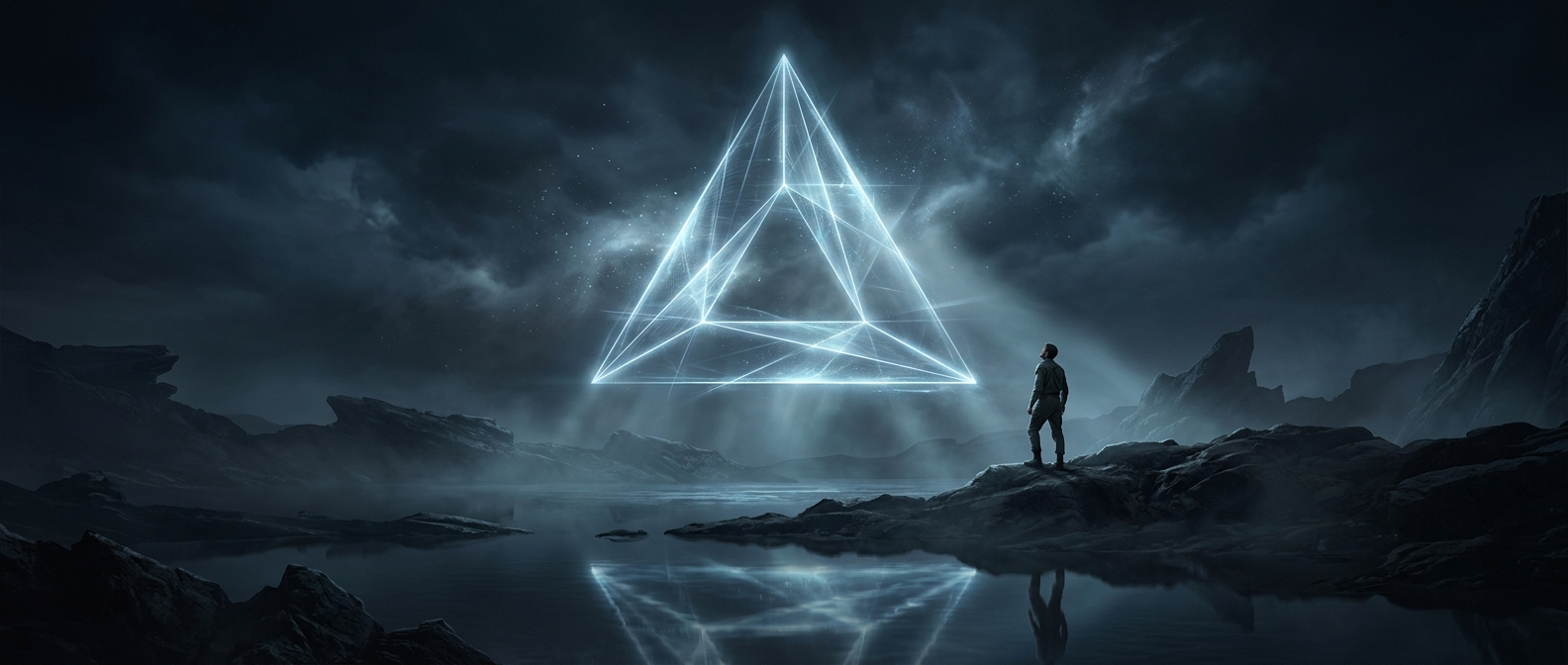
Three Pac-Man shapes can make you see a triangle
Arrange three Pac-Man shapes facing each other, and you will distinctly see a bright white triangle floating in the empty space between them. The Kanizsa…
Discover more
How researchers can influence rats without meaning to
Even the most objective, peer-reviewed research is tainted by human desperation. The observer-expectancy effect happens when a researcher's cognitive bias…
Discover more